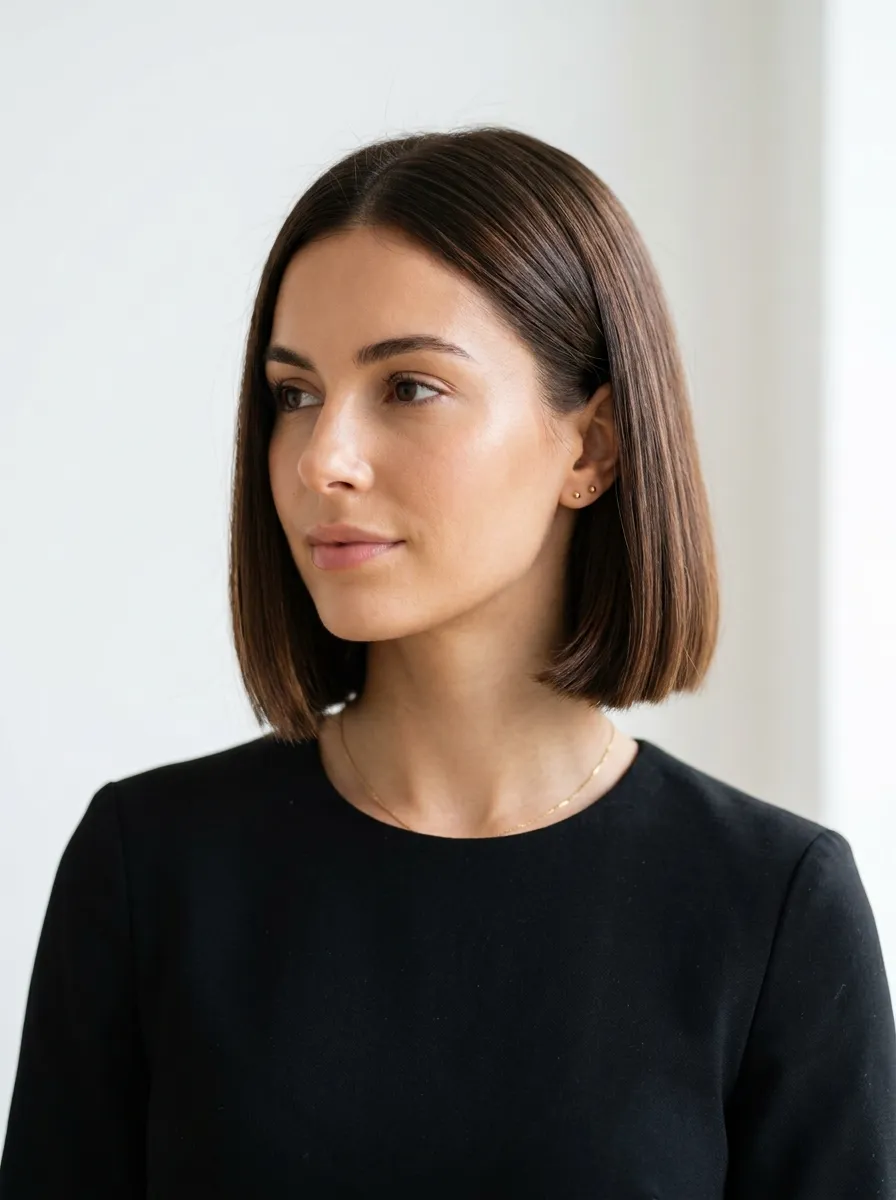
20 Shoulder Length Bob Hairstyles for Women Over 50
Most bob advice online skips the part that matters after 50: hair texture changes, and so does what actually holds shoulder length bob hairstyles through the day. This cut is one of the few that keeps working with finer strands, natural gray, and mornings when you do not have time to fuss.
It gives you enough length to tuck behind your ears or twist into a low knot, but enough shape to still look finished without a full blow dry. The cut also grows out kindly, so it never hits that awkward stage some shorter styles do.
The real question is not whether a bob will suit you. It almost always does. The question is which version fits your hair type, your color, and how much time you actually want to spend on it most mornings. Below are 20 ways to wear this cut, from low maintenance color to styles built for busy weeks and the occasional dressed up event.
1. Classic Jaw-Length Bob
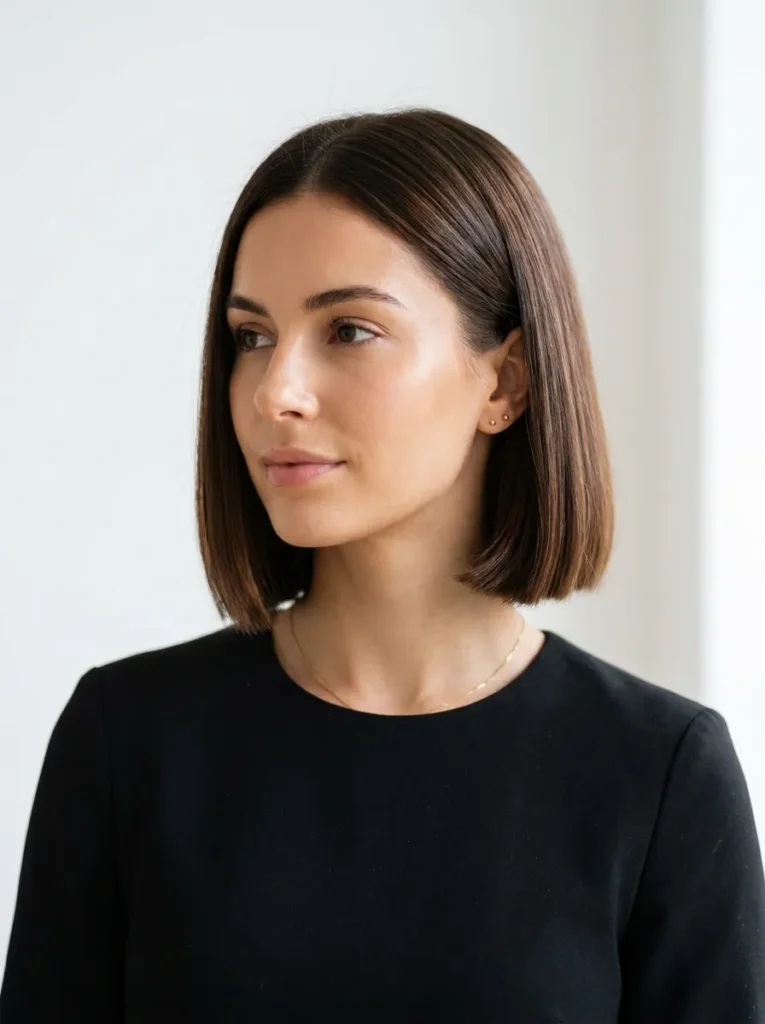
Fine hair that has lost some density is a common complaint after 50, and a jaw length bob solves it better than most other cuts. The blunt line adds visual thickness because every strand ends at the same spot, which makes hair read as fuller than it is.
Keep the ends barely rounded instead of razor sharp so the shape softens as it moves. A light gloss treatment also helps the ends catch light instead of looking flat. For a few finishing touches worth trying, these chic bob haircut ideas cover styling options that keep the cut from looking too stiff.
2. Soft French Bob

Rounded ends, a soft fringe, and a slightly undone finish are what set the French bob apart from a standard blunt cut. It sits at chin to collarbone length and looks like it took five minutes, even when it took twenty.
This version works best on hair with a little natural wave, since the texture does most of the styling work. Use a light texturizing spray at the roots and scrunch instead of brushing through.
3. Textured Lob
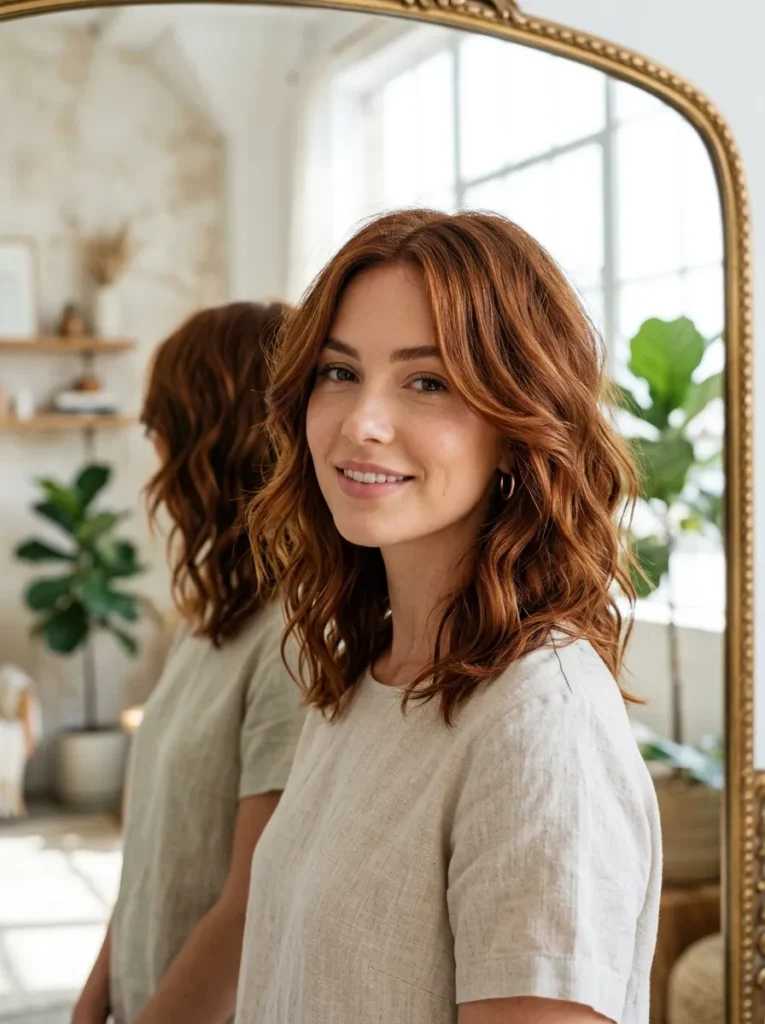
A lob sits a few inches below the jaw, which puts it in different territory than a true bob. The extra length means more weight, so waves relax into looser bends instead of the tighter curl you get at chin length.
I’ve noticed a lob holds curl longer on second day hair than freshly washed hair, which makes it a good option if you do not want to restyle every morning. Ask for face framing layers if you want movement without losing length.
4. Curly Bob with Root Volume
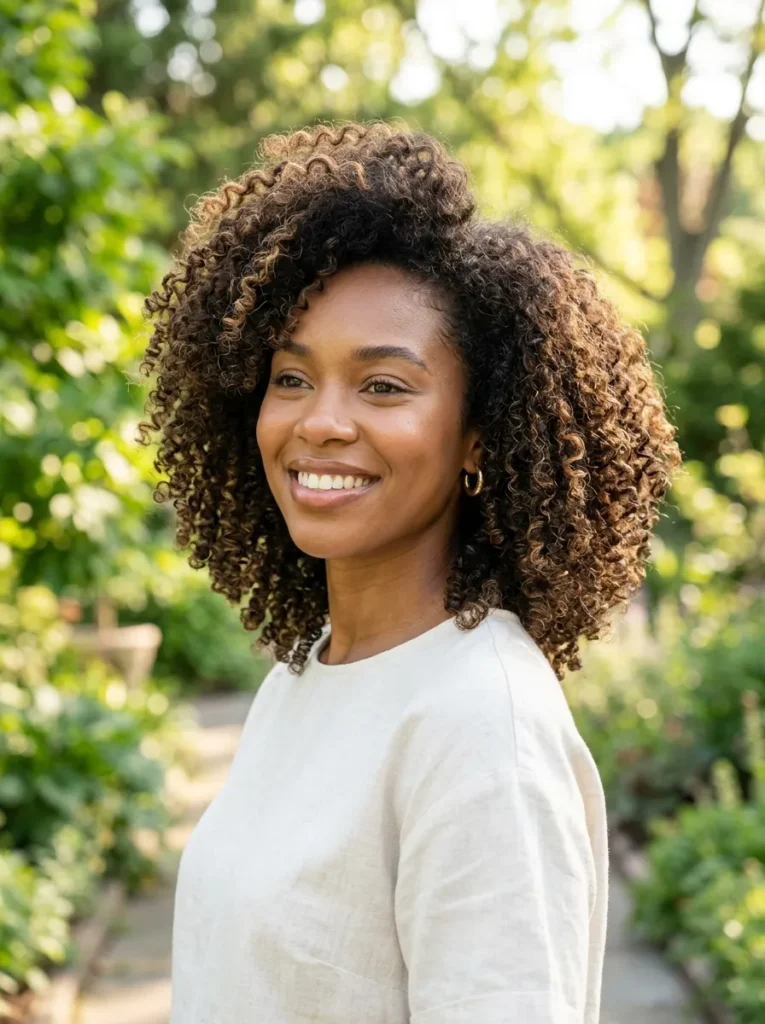
Start with a diffuser on low heat and scrunch curls upward from the ends toward the scalp. Curly hair naturally loses some spring with age, so lifting at the root before the curl sets makes the biggest difference in how full the style looks by midday.
Avoid brushing dry curls, which breaks the curl pattern and adds frizz. A light curl cream applied to soaking wet hair, not towel dried hair, gives the cleanest definition.
5. Wavy Beach Bob
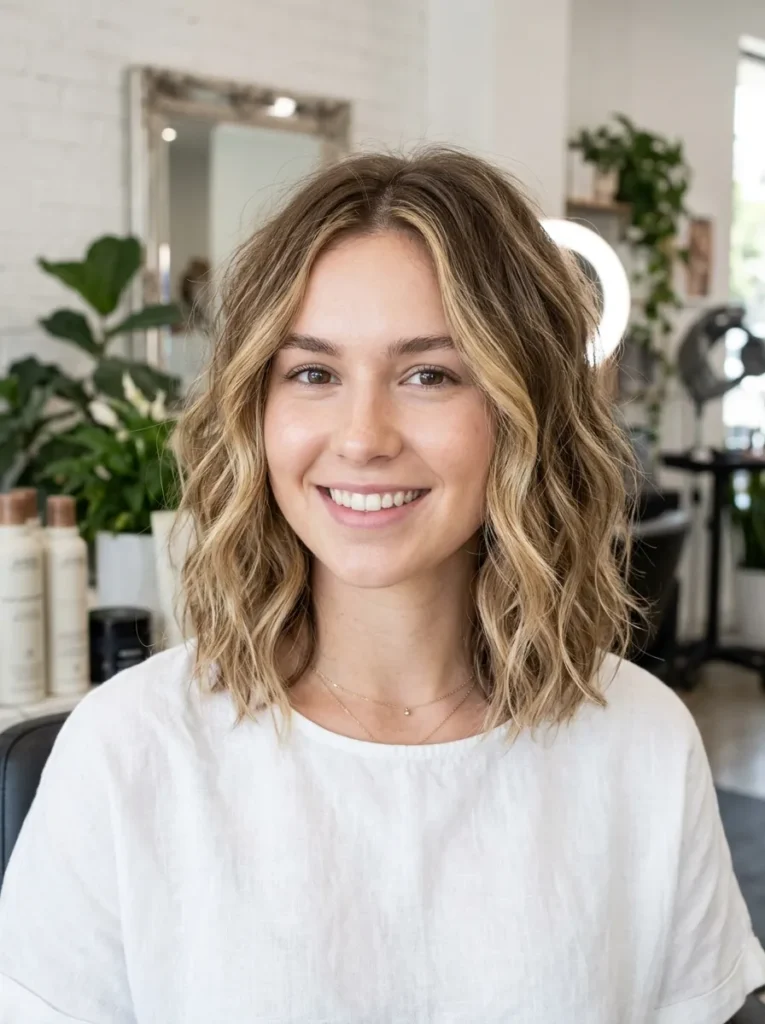
The rule with a beach wave bob is texture over precision. Uneven, slightly messy waves read as natural, while perfectly matched curls look styled on purpose in the wrong way.
Rough dry with a diffuser, then twist a few random sections around a one inch wand for contrast. Skip the pieces closest to the part, since flat roots there keep the whole style from looking overdone.
💡 Styling Tip
Twist sections away from your face, not toward it. Waves that curl back toward the cheek tend to close up the face instead of opening it.
6. Silver Fox Bob
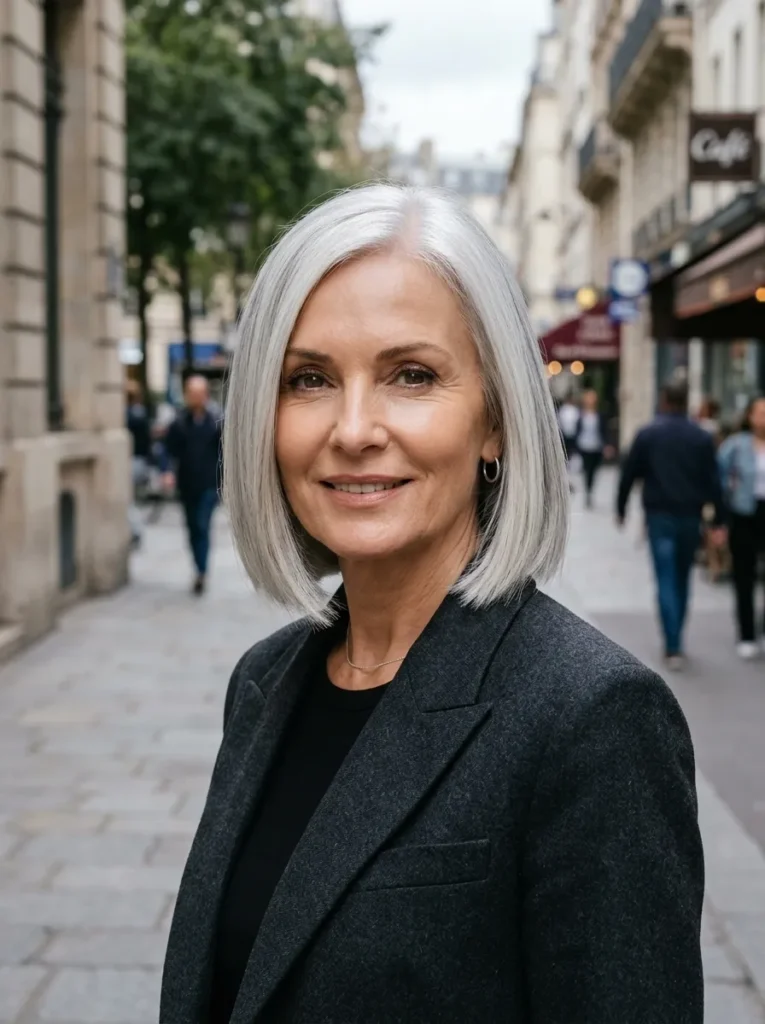
Gray hair catches light differently than pigmented hair, and a clean bob shape shows that off instead of hiding it. The cut gives silver strands structure, so the color reads as intentional rather than like hair that is growing out.
Purple or blue toning shampoo once a week keeps brassiness away, which is the biggest complaint with untreated gray. A glossy finish also matters more here than on colored hair, since shine is what keeps silver from looking dull.
7. Salt and Pepper Bob
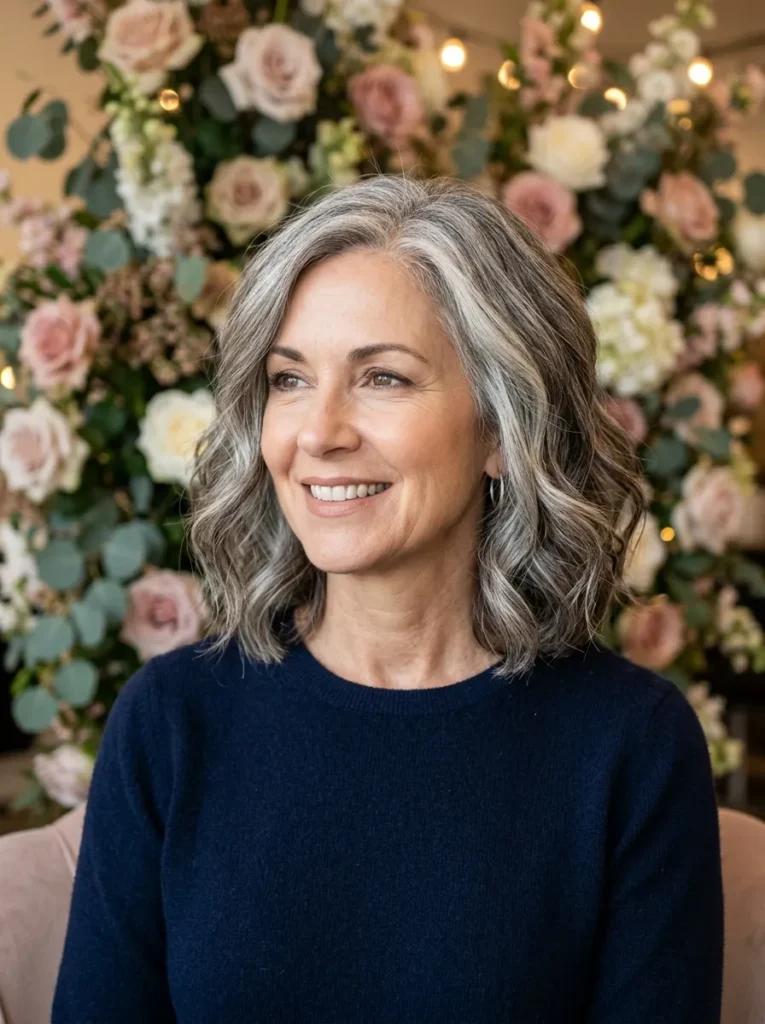
This style works best on coarser or wavy textures, since the natural mix of gray and original color shows more dimension when the strands have some bend to them. Straight, fine salt and pepper hair can look a little flat by comparison unless you add texture with a flat iron.
I’ve seen women hesitate to cut length during a gray transition, worried it will look unfinished, but a bob actually speeds up how polished the process looks. If you are deciding how much length to keep, this bob vs. lob hairstyles comparison is worth a look before you commit.
8. Bob with Curtain Bangs

Running late with roots that need a wash is exactly when curtain bangs earn their keep. They part down the middle and blend into the rest of the bob, so there is no obvious line between bangs and the rest of the cut.
They also need almost no daily styling beyond a quick pass with a round brush. A light dusting of dry shampoo at the part line before bed buys an extra day between washes.
Blow dry bangs away from the face first, then back into place.
Use a small round brush to set the curve.
Cutting bangs too short for your forehead height.
Brushing bangs straight down while wet, which flattens the curve.
9. Bob with Wispy Fringe

A lot of people think fine hair cannot handle bangs, but wispy fringe is actually built for it. The pieces are cut thin and feathered, so there is no heavy blunt line weighing hair down.
The key is length. Wispy bangs that hit above the brow bone soften the face without needing much product. A dab of light hold cream, worked through with fingers instead of a brush, keeps the ends separated instead of clumped.
10. Honey Blonde Bob
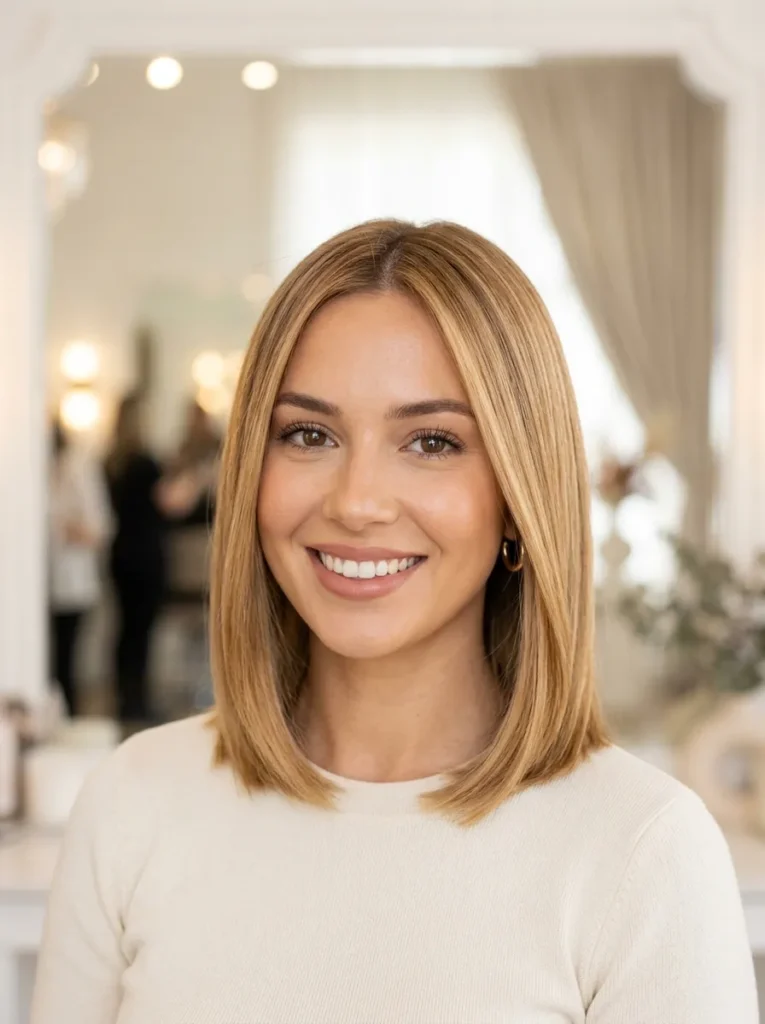
The most common mistake with honey blonde is going too light overall, which can wash out skin that has lost some natural contrast with age. Honey blonde works better as a warm mid tone with slightly deeper roots left in.
Ask your colorist for a root smudge rather than a hard line, and request warm gold tones instead of ash. That warmth is what keeps the color from reading as gray or dull under regular lighting.
11. Caramel Balayage Bob
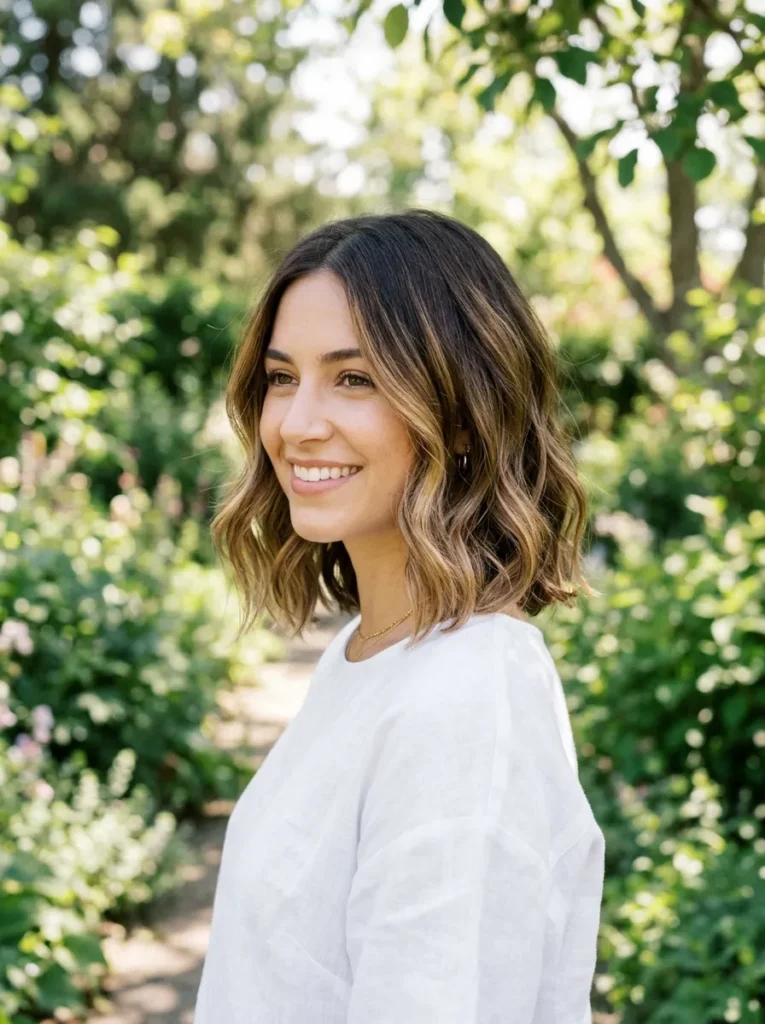
Flat, one dimensional color is a common complaint on shorter cuts, since there is less length for movement to show off. Caramel balayage fixes that by painting lighter strands mostly through the mid lengths and ends, which adds depth without a full head of highlights.
If you want a softer, rounded shape to pair with this color, these French bob hairstyles show how the cut itself can add even more movement.
What you need
12. Ash Blonde Bob with Lowlights
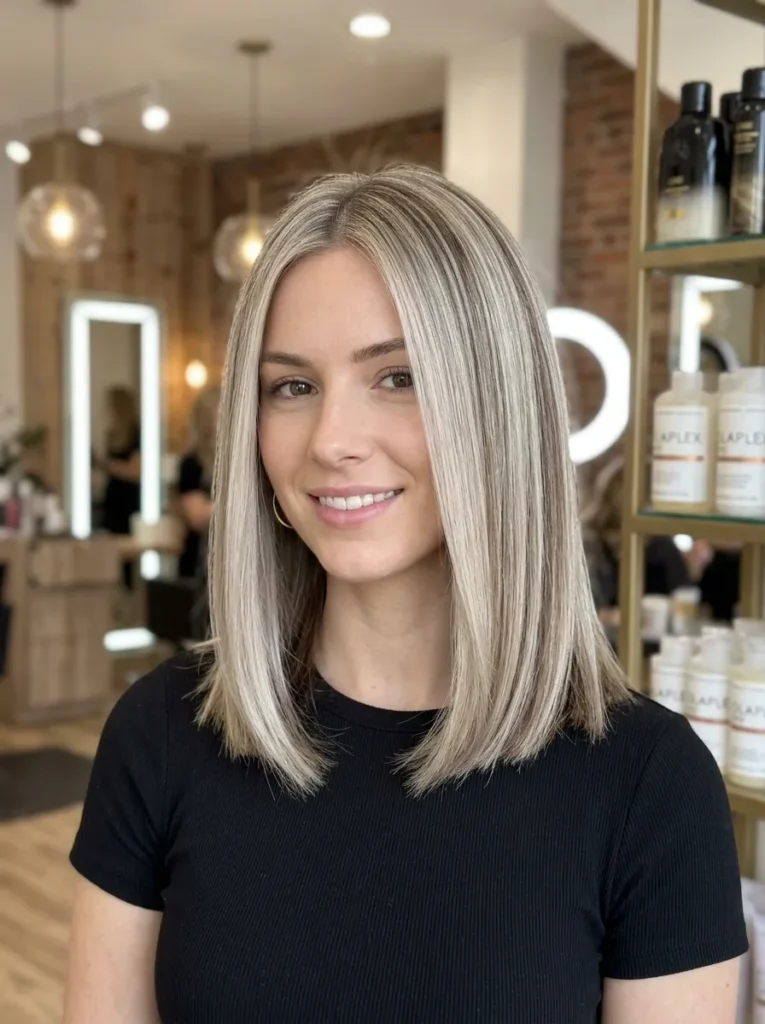
Cool ash tones woven with soft brown lowlights give a bob depth that looks closer to natural sun lightening than a salon process. The lowlights sit mostly underneath, so they show when hair moves rather than sitting on top.
This combination is lower maintenance than an all over blonde because the lowlights hide new growth for longer between color appointments.
13. Champagne Blonde Bob
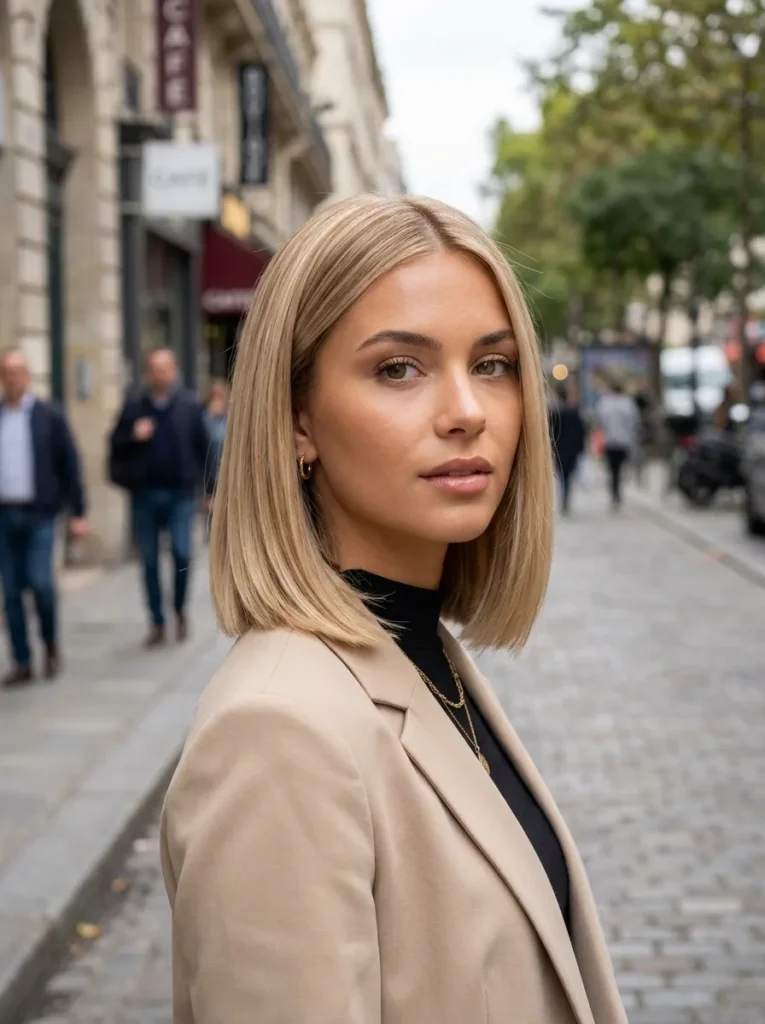
Ask for a champagne blonde formula rather than a straight beige or platinum blonde. It combines a warm undertone with a cool base, which keeps the color from leaning brassy or gray depending on the light.
Style with a boar bristle brush while blow drying to add shine, since champagne tones show dullness more than darker colors do. A finishing serum on dry hair locks in the polish.
14. Platinum Icy Bob
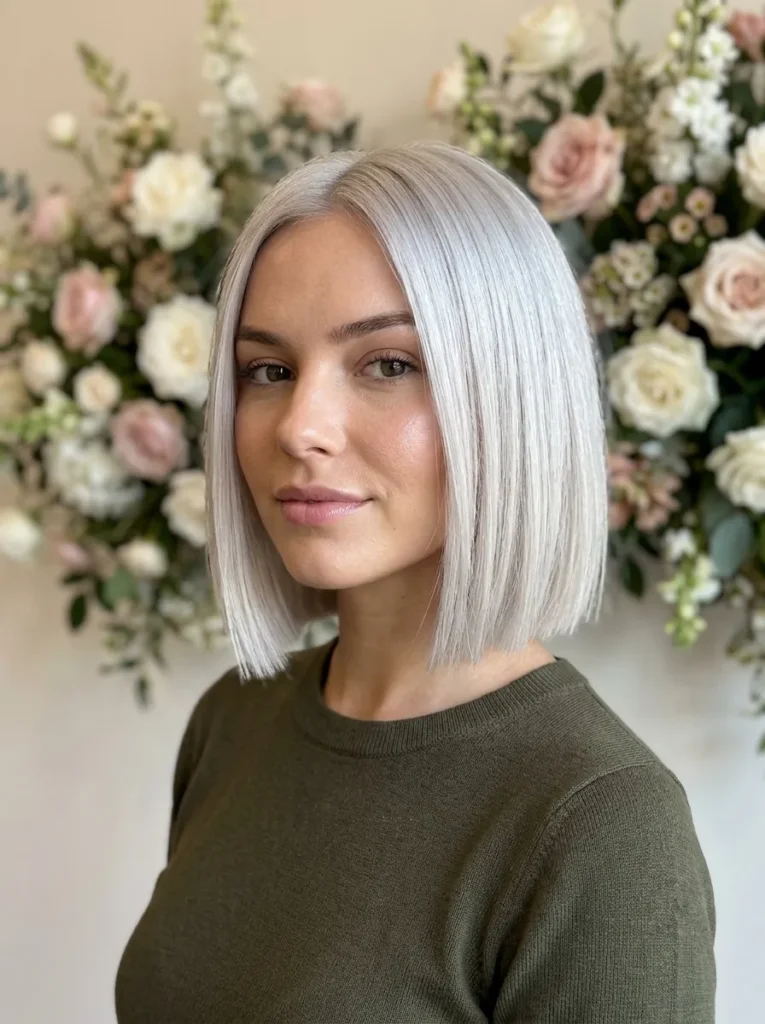
Platinum sits at the opposite end of the spectrum from a warm blonde like honey or champagne. Where warm tones soften the face, platinum sharpens it, which is why it tends to suit bolder personal styles rather than everyday low key looks.
It also needs more upkeep. Expect a toning appointment every few weeks to keep yellow undertones from creeping back in between visits.
Brassy, yellow toned blonde with uneven regrowth.
Clean, icy platinum with a fresh gloss and no yellow cast.
15. Low-Maintenance Root Smudge Bob
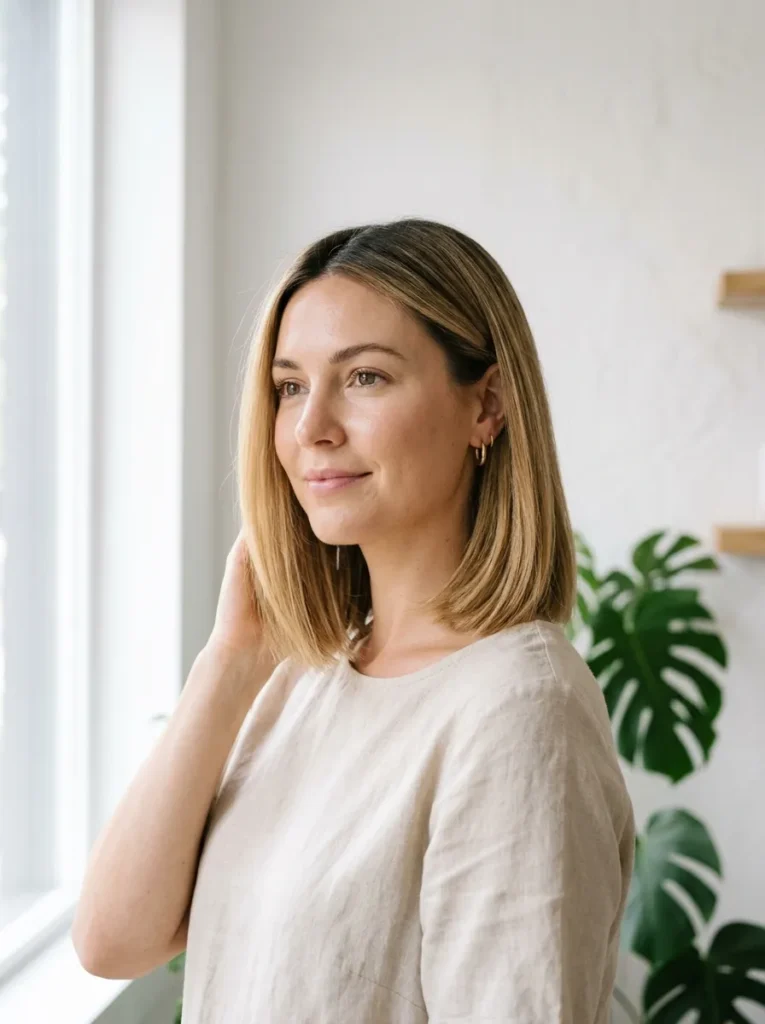
A root smudge blends your natural color into your lightened lengths, so regrowth looks intentional instead of overdue for a touch up. It is one of the easiest ways to stretch time between salon visits.
I’ve found clients who switch to this technique go from monthly appointments to closer to every ten to twelve weeks without the roots ever looking obvious. It works on nearly any base color, not blonde alone.
16. Bob with a Money Piece
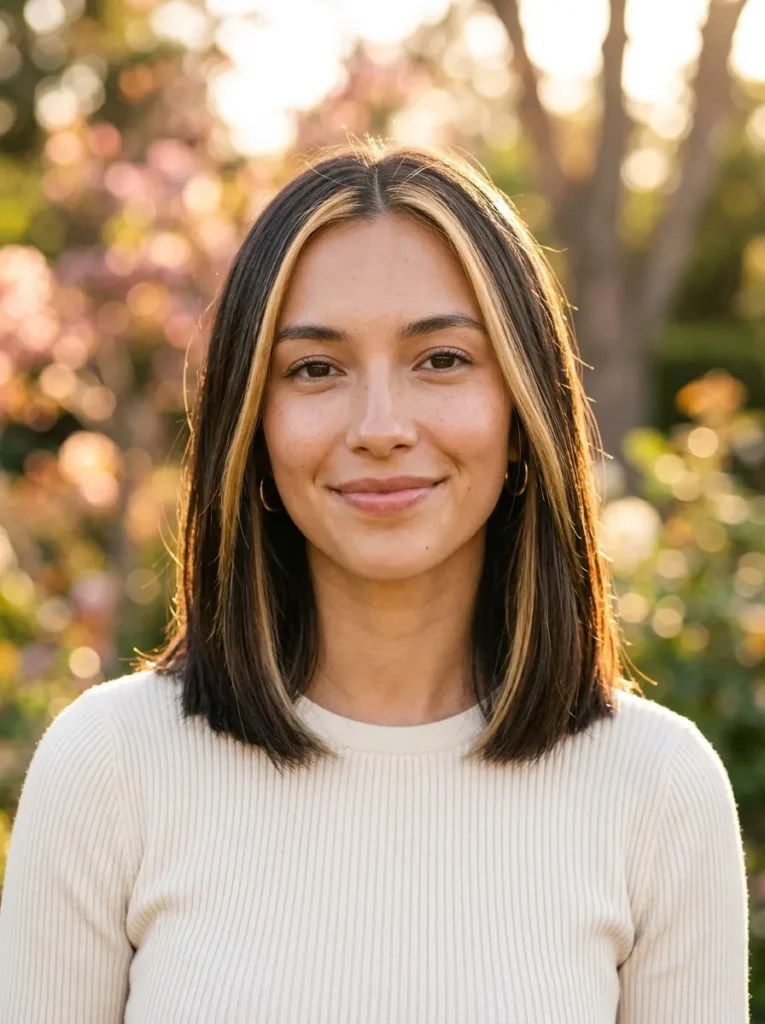
The rule with a money piece is placement over size. A narrow, well placed section near the part does more for brightening the face than a wide chunk of highlight ever will.
Keep it a shade or two lighter than the rest of your color so it reads as a highlight, not a stripe. For more ways to add dimension at this length, these medium length hairstyles for women over 50 cover several color and cut combinations worth trying.
17. Layered A-Line Bob
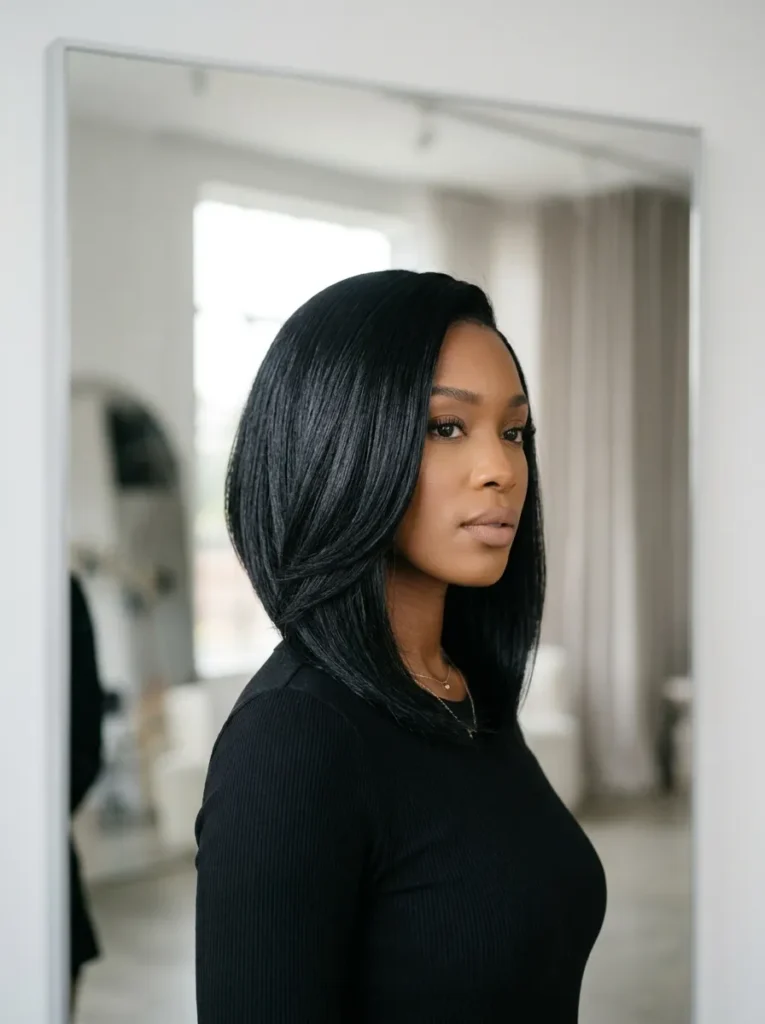
This shape works especially well on thick or coarse hair, since the graduated layers remove bulk without shortening the overall length. Fine hair can wear it too, but needs a lighter hand with the layering so the ends do not look thin.
I’ve styled this cut on both textures, and the biggest difference is drying time. Coarse hair holds the A-line shape almost on its own, while fine hair benefits from a round brush at the front to keep the angle crisp.
18. Choppy Shag Bob
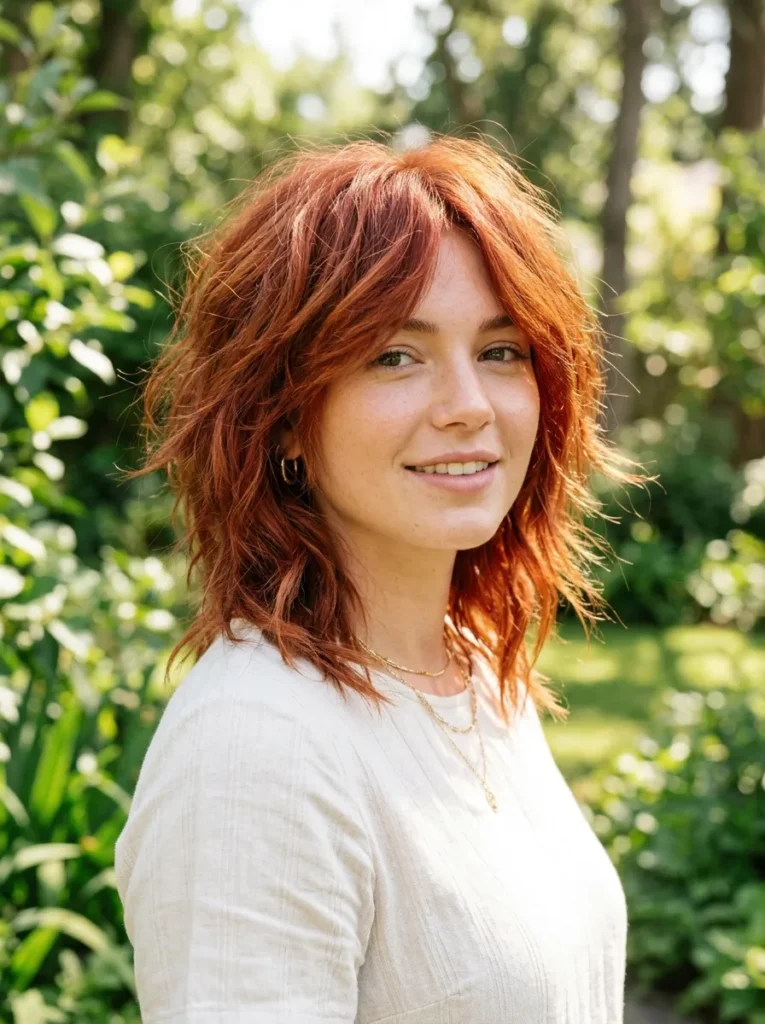
Somewhere between a bob and a shag, this cut is for the days you want texture without any real styling effort. Wake up, scrunch in a texturizing spray, and go.
The choppy layers are cut with a razor rather than shears, which gives the ends a slightly frayed look instead of a clean line. It hides a skipped wash better than almost any smooth style could.
19. Sleek Blowout Bob
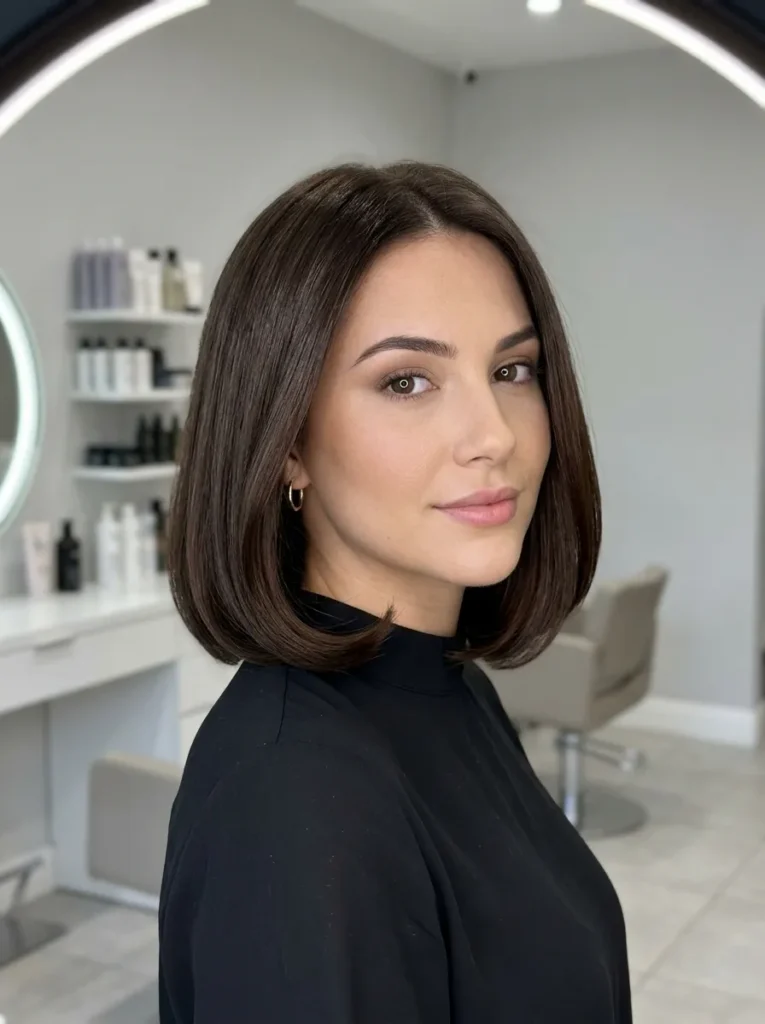
People assume a sleek, glassy finish only works on straight hair, but a round brush blowout can smooth wave and light curl into the same polished result. The key is drying in sections and locking each one with cool air before moving on.
I’ve found a small amount of smoothing serum on damp hair, not dry hair, is what actually controls frizz through the day. For more short and shoulder length ideas built around a polished finish, browse these short haircuts over 50.
20. Tucked-Back Bob for Events
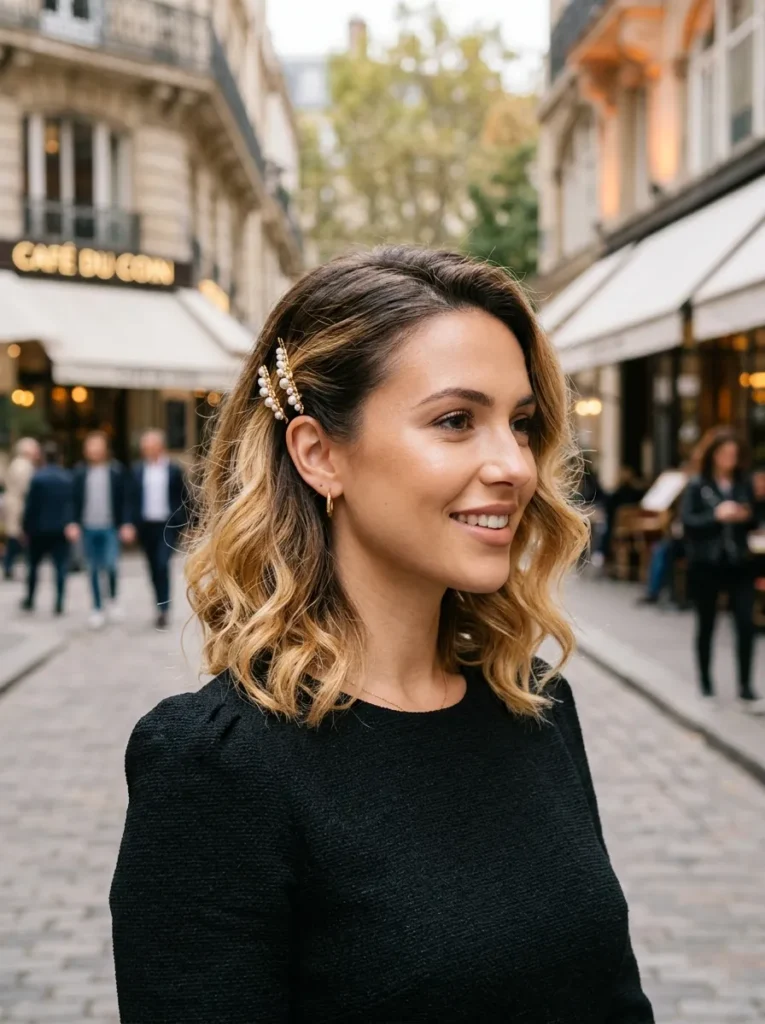
The biggest mistake with dressing up a bob is reaching for an updo that needs length the cut does not have. Instead, tuck the front sections behind the ears with a few decorative pins and curl the back for movement.
This gives the polish of an updo without fighting hair that is too short to pull back fully.
A bob does not need length to look dressed up. A few well placed pins and soft curls do the same job as a full updo.
Final Thoughts
Shoulder length bob hairstyles earn their place as one of the most reliable cuts after 50 because they flex with whatever your hair is doing that day, whether that means natural gray, thinner strands, or a color you are still deciding on. The styles above cover low maintenance color, curl patterns, bangs, and a few options built for busier weeks, so there is room to pick what actually fits your routine rather than chasing a single trend. Save this list for the next time you need fresh hair inspiration before your next salon visit.
Frequently Asked Questions
How often should I trim a shoulder length bob?
Every six to eight weeks keeps the ends clean and the shape from growing out heavy. Fine hair shows split ends sooner, so six weeks is safer.
Do shoulder length bobs suit round faces?
Yes, with length that sits below the chin and a side part. The longer front pieces slim the face, while blunt ends at chin level can widen it.
Can I wear a shoulder length bob curly?
Yes. A layered cut lets curls spring without bulk, and a diffuser keeps the shape soft. Ask for layers that follow your natural curl pattern.
What is the lowest maintenance shoulder length bob?
A blunt cut with a middle part needs the least styling. Air-dry it, tuck one side behind the ear, and it holds its shape all day.
How do I add volume to a shoulder length bob?
Blow-dry the roots upward with a round brush, or add a little backcombing at the crown. A side part also lifts the roots without product.