Not sure which hairstyles suit you? Our free face shape finder takes under a minute. Measure four points on your face, enter the numbers below, and find out your face shape plus the hairstyles that suit it best.
Find your face shape
Four measurements with a soft tape. Nothing is stored and nothing is sent anywhere.
Where exactly do I measure?
From the centre of your hairline straight down to the tip of your chin. Keep the tape flat against your skin and follow the curve of your face.
Where exactly do I measure?
Across the widest part of your forehead, usually halfway between your eyebrows and your hairline. Keep the tape level.
Where exactly do I measure?
From the most prominent point of one cheekbone to the other, across the bridge of your nose. This is usually the widest part of the face.
Where exactly do I measure?
From the widest point of your jaw on one side to the other, below the ears. Stand in front of a mirror so you can see where the jaw is widest.
Please enter all four measurements as numbers above zero, then tap the button again.
Your face shape is
Hairstyles that suit you
This is a guide based on proportions, not a strict label. If two shapes feel close, try the hairstyles for both and see what you like in the mirror.
Your face shape is about proportion, not size
Your face shape is a description of proportion. It is about how your face length, forehead, cheekbones, and jaw relate to each other. It has nothing to do with your size or your weight. Two women with the same face shape can look completely different, and the same woman can change her hairstyle many times while her shape stays exactly where it was. Knowing yours is useful for one practical reason. It explains why some hairstyles work on you immediately and others never do, no matter how good they looked on someone else.
How to measure your face accurately
Accuracy matters more than you would think. A small error in one number can move you from one shape to a neighboring one, and most wrong results come from measuring the jaw too high or the cheekbones too low rather than from anything complicated. Use a soft dressmaker's tape, pull your hair back, and stand in front of a mirror so you can check the tape is level.
- Measurement 1: Face length. From the centre of your hairline straight down to the tip of your chin.
- Measurement 2: Forehead width. Across the widest part of your forehead, usually halfway between your eyebrows and your hairline.
- Measurement 3: Cheekbone width. From the most prominent point of one cheekbone to the other, across the bridge of your nose.
- Measurement 4: Jaw width. From the widest point of your jaw on one side to the other, below the ears.
Three mistakes that change your result
- Measuring the jaw too high. The widest point of the jaw sits below the ears, lower than most people think. Measure in front of a mirror and you will usually find it lower than where you started.
- Pulling the tape tight. The tape should sit flat against your skin, not pressed in. A tight tape gives you smaller numbers and can change your result.
- Measuring with your hair down. Hair over the forehead or jaw hides the real points. Pull it all back before you start.
The seven face shapes, explained
Most guides use four or five shapes. This finder uses seven, because four categories force very different faces into the same bucket. The extra shapes are all variations that a four-shape system would flatten into round or oval and leave you with advice that does not quite fit.
Oval
Oval faces suit almost every style, so choose by hair type and how much upkeep you want. Layered bobs add movement, butterfly layers keep length with shape, and curtain bangs frame the face without hiding it.
Round
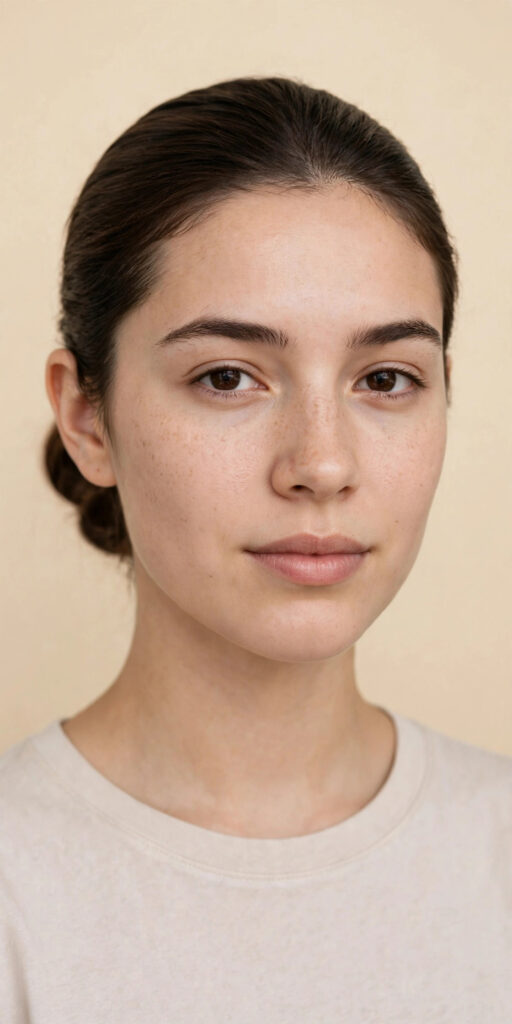
Height on top and length through the sides flatter round faces. Long layers and lobs work well, while very short, round cuts can make the face look wider. See butterfly layered haircuts and bob vs lob hairstyles for the difference length makes.
Square
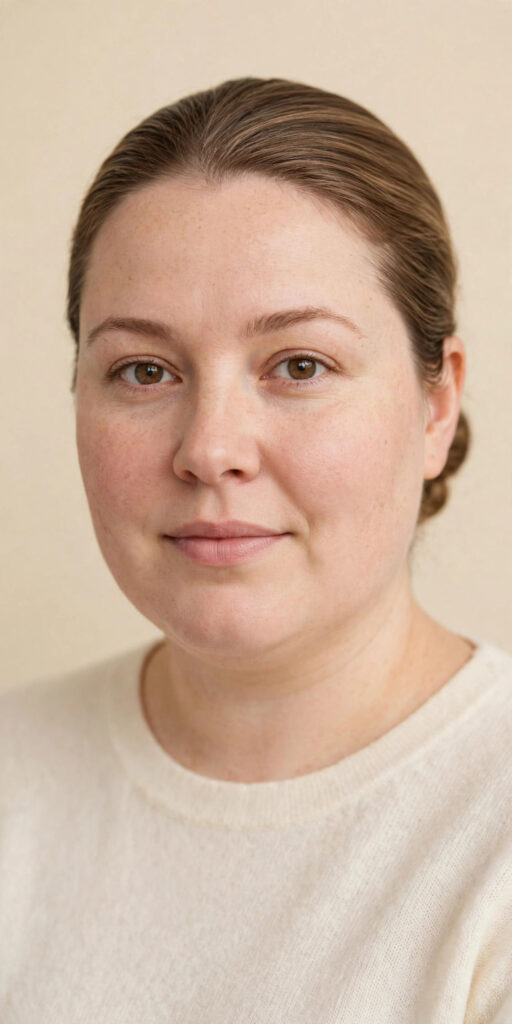
Softness is your friend. Layers that start at the cheekbones, side parts, and gentle waves all ease a strong jawline. Curtain bangs and butterfly layers are good starting points.
Heart
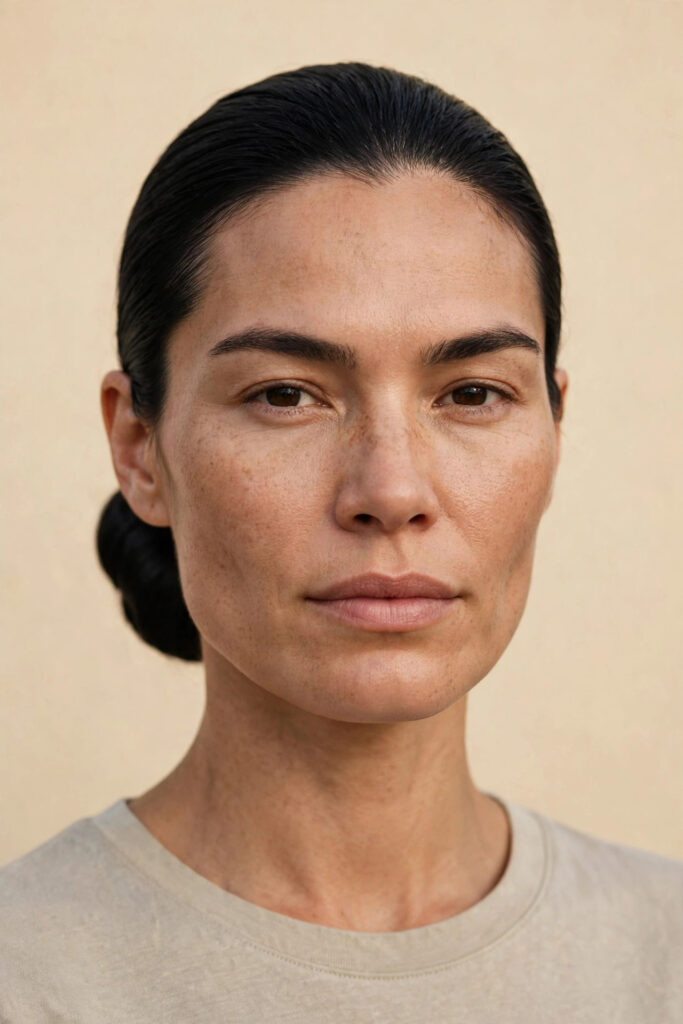
Fullness around the jaw balances a wider forehead. Chin-length bobs, lobs, and curtain bangs all do this well. Start with bob vs lob hairstyles to see which length sits best on you.
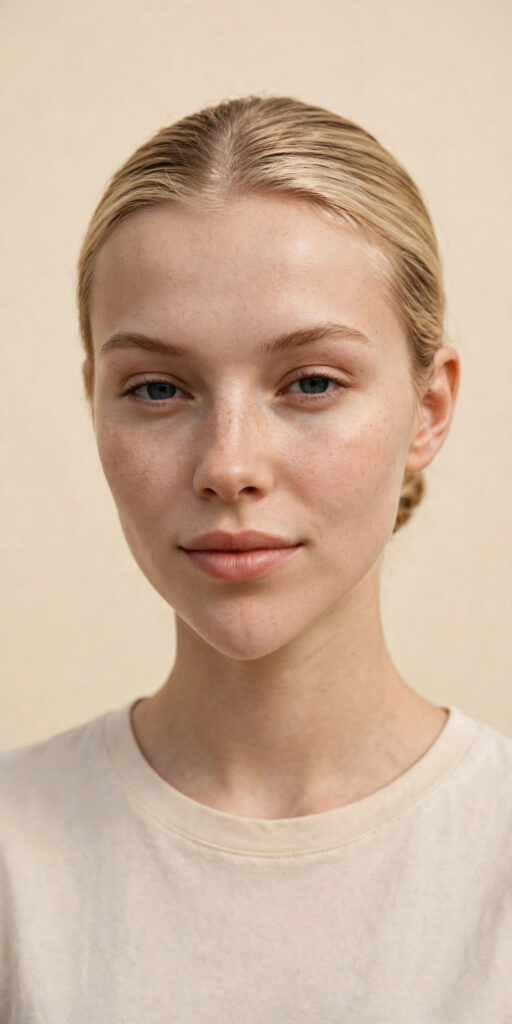
Oblong
Width is what you want, so bobs with body and bangs are your best friends. A French bob or a layered bob with volume at the sides shortens the face visually.
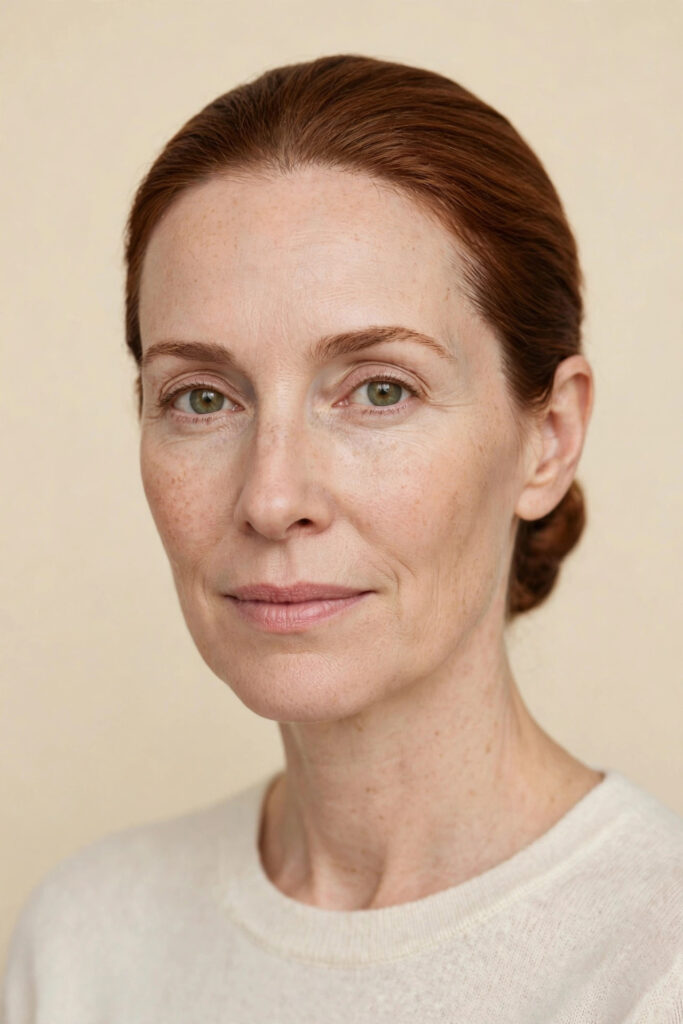
Diamond
Soften the cheekbones with layers and a little fullness at the forehead and jaw. Butterfly layers and side-swept styles do this without hiding your features.
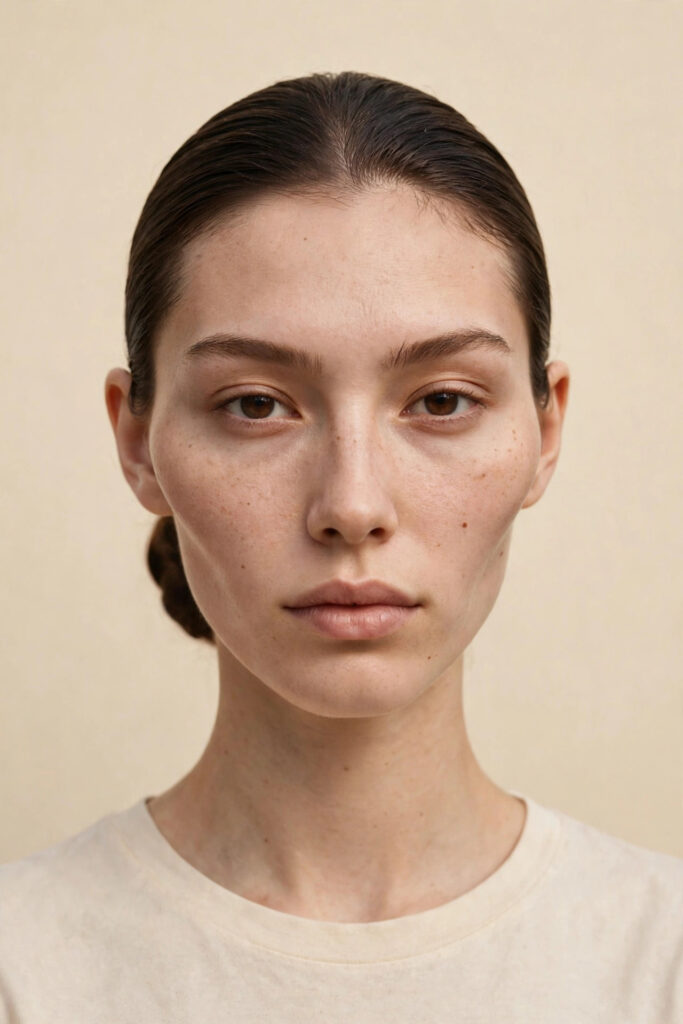
Triangle
Volume on top balances a wider jaw. Layers that start high, textured bobs, and styles with lift at the crown all help. Try the ideas in layered bob hairstyles first.
How the finder works
The finder compares your four numbers. It looks at which part of your face is widest and how your face length compares with your width. Those two proportions place you in one of seven shapes. One honest caveat about any calculator of this kind, including ours. The seven rules do not cover every possible combination of measurements. There are real faces that sit between two shapes. The finder picks the closest match and tells you that is what it has done, so you know whether you landed squarely in a shape or between two of them. Your numbers are not stored anywhere. They stay in your browser and disappear when you leave the page.
The one change worth making for each shape
The calculator gives you full recommendations for your own shape. As a quick reference, here is the single most useful starting point for each one.
| Shape | Try this first |
|---|---|
| Oval | Any style suits you, so start with layered bobs for movement. |
| Round | Add length on top with butterfly layers. |
| Square | Soften the jaw with curtain bangs. |
| Heart | Add fullness at the jaw with a lob. |
| Oblong | Add width at the sides with a French bob. |
| Diamond | Soften the cheekbones with butterfly layers. |
| Triangle | Add volume on top with a layered bob. |
Face shape is not face size
This gets mixed up so often that it is worth being plain about. Your face shape describes the relationship between your measurements. Your face size describes how large those measurements are. They are independent. A long face and a short face can both be ovals. It is also worth remembering what these categories are actually for. They are a useful shortcut for understanding why a particular cut falls the way it does on you. They are not a rulebook, and no shape is the good one. If you love a hairstyle that this page says fights your proportions, try it anyway. You will look better in something you feel good in than in something a calculator approved.