Butterfly Layered Haircuts That Add Full Volume
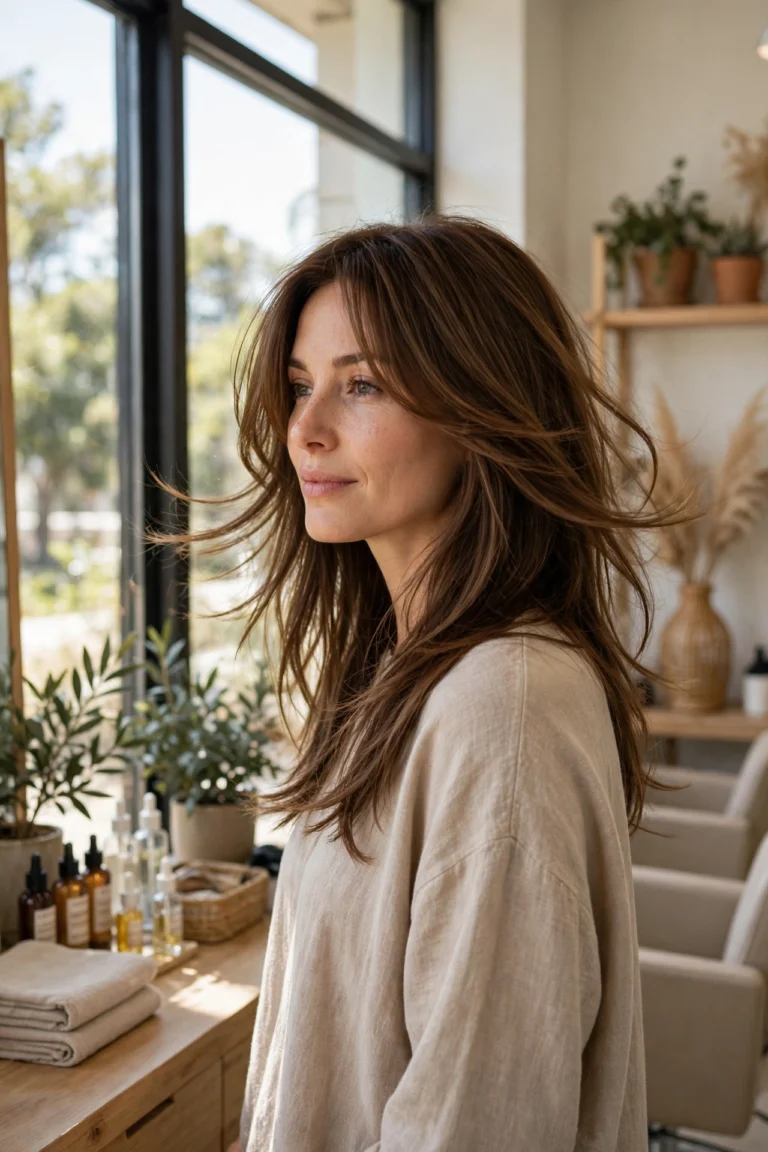
Flat, lifeless layers happen when a cut removes weight without creating actual shape. Butterfly layered haircuts fix that by stacking shorter layers at the crown while keeping fullness through the ends, so hair lifts where it should and falls with real movement below.
Most traditional layered cuts thin out the bottom half, which is why so many people walk out of the salon feeling like they lost volume instead of gaining it. The butterfly cut works differently. It places the shortest pieces around your face and cheekbones, then gradually lengthens through the mid-shaft, creating a wide, rounded silhouette that looks full from every angle.
Below are 20 specific ways to wear this cut, from cropped bobs to waist-length styles, across different textures and face shapes. Each one includes the technique details that make the volume last beyond wash day.
1. Long Butterfly with Curtain Bangs

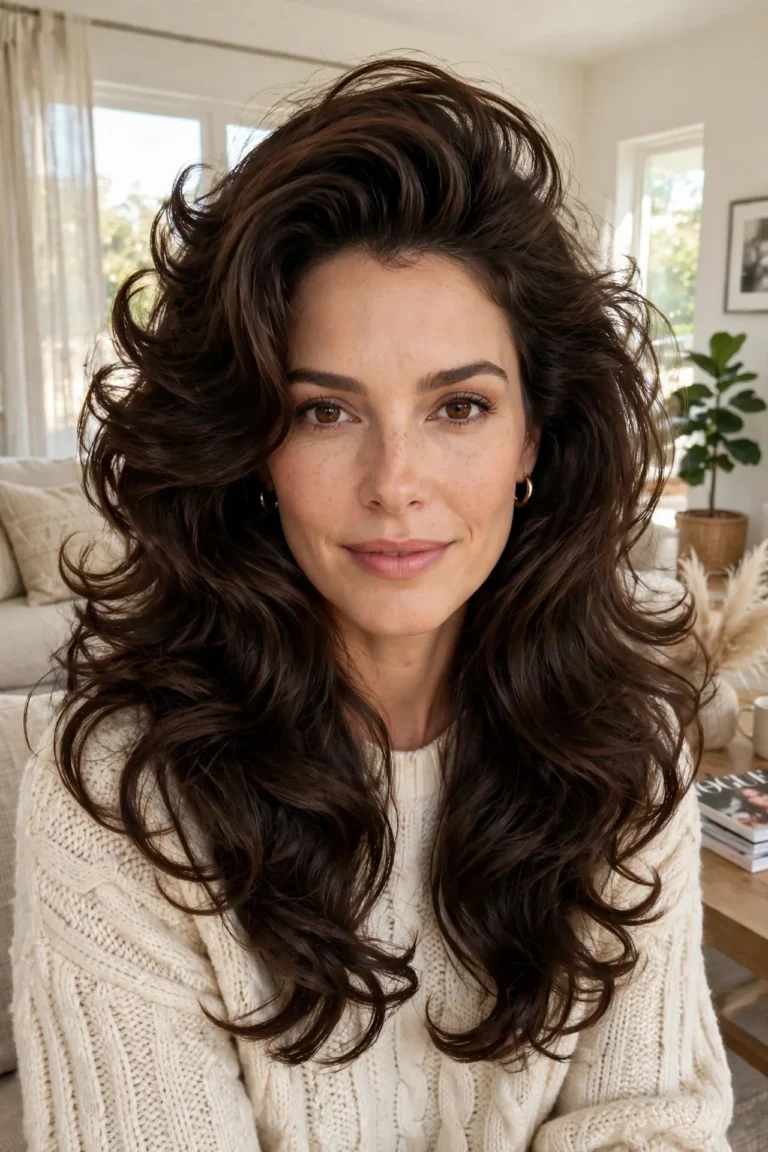
The number one complaint with long hair is that it hangs flat against the skull by mid-afternoon. This version fixes the problem at the source: short interior layers starting at chin level build lift at the crown, while the longest pieces still reach mid-back.
Pairing it with curtain bangs softens the transition from short to long. Ask your stylist to keep the bang pieces blended into the first face-framing layer so there is no harsh line. A round brush at the roots during blowdrying gives you all-day height without backcombing.
2. Collarbone Butterfly Layers
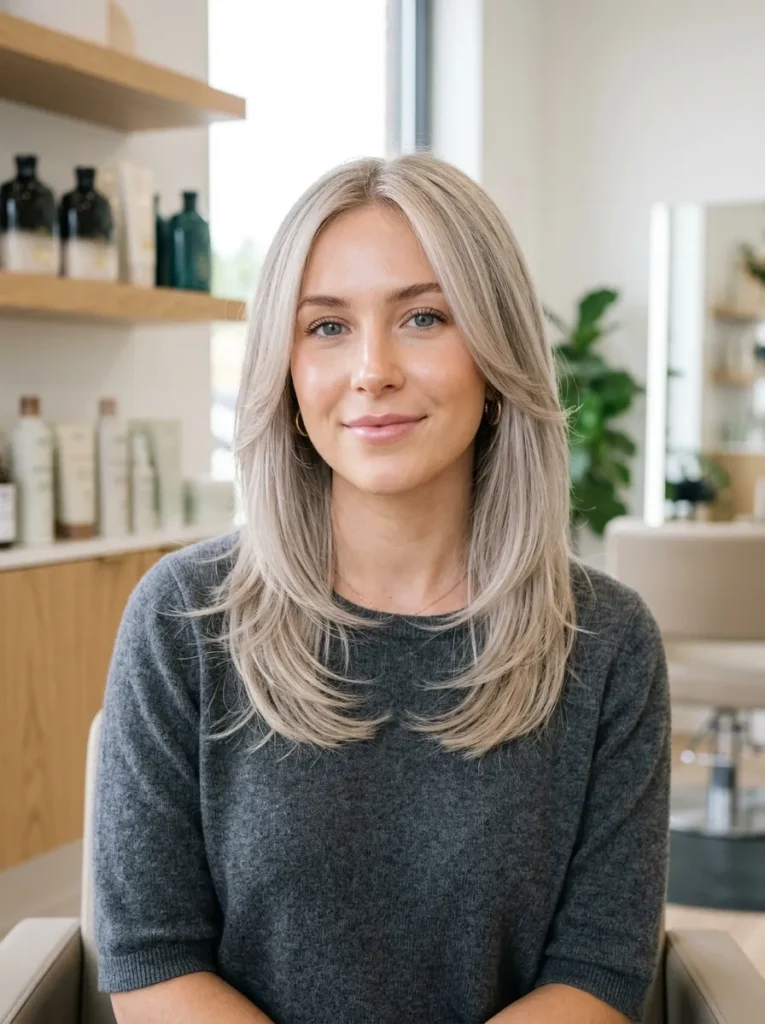
Picture-frame layers that graze the collarbone create one of the cleanest butterfly silhouettes you can get. The crown layers sit just above the ears, and the longest pieces end right at the clavicle, so the entire shape fans out like wings.
This length hits a sweet spot for density. It is short enough to hold body without weighing itself down, and long enough to pull back on busy mornings. A lightweight mousse scrunched into damp hair before air drying adds soft bend without stiffness.
3. Butterfly Shag on Thick Hair
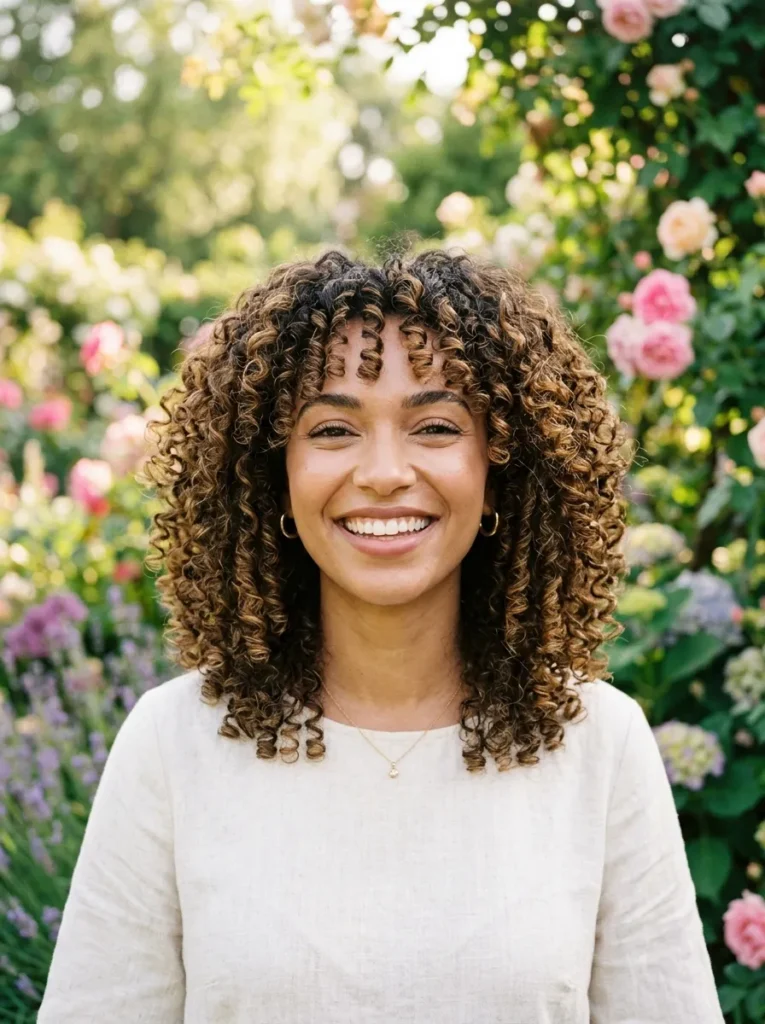
Start by sectioning the top half of your hair and cutting the crown layers to about four inches. That is shorter than most shag cuts go, and that is the point. Thick hair needs aggressive internal layering to actually move, or it sits like a helmet.
The shag version of a butterfly cut uses razor-textured ends instead of blunt scissors, which breaks up bulk without leaving the bottom thin and scraggly. I’ve tried this on second-day hair and it actually holds better than freshly washed, because the natural oils add grip to those shorter crown pieces.
4. Feathered Butterfly Blowout
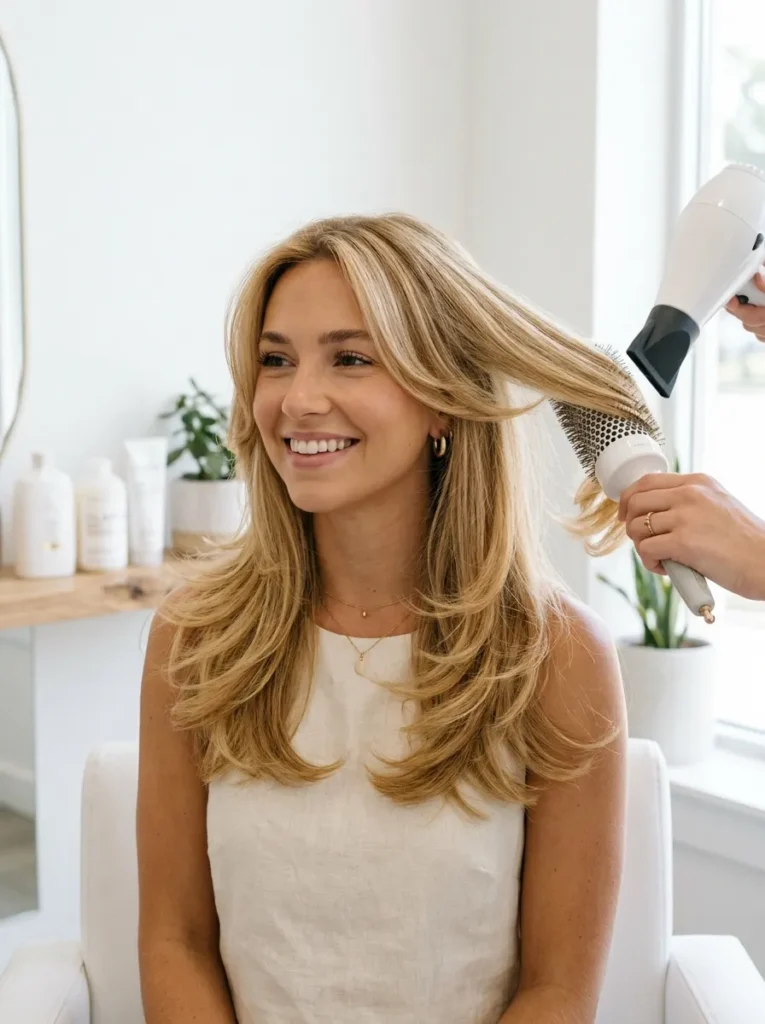
Fine, straight hair often falls flat within an hour of styling. This cut makes blowouts last because the interior layers are short enough to curl under with a round brush and hold their shape.
The feathering happens at the face frame and through the mid-lengths. Use a medium barrel brush and direct the airflow from roots to ends, flipping each section slightly outward at the tips. The volume comes from the layered structure, not from heavy product. A light heat protectant before drying is all you need to get that 70s-inspired bounce.
5. Wavy Butterfly with Face Framing
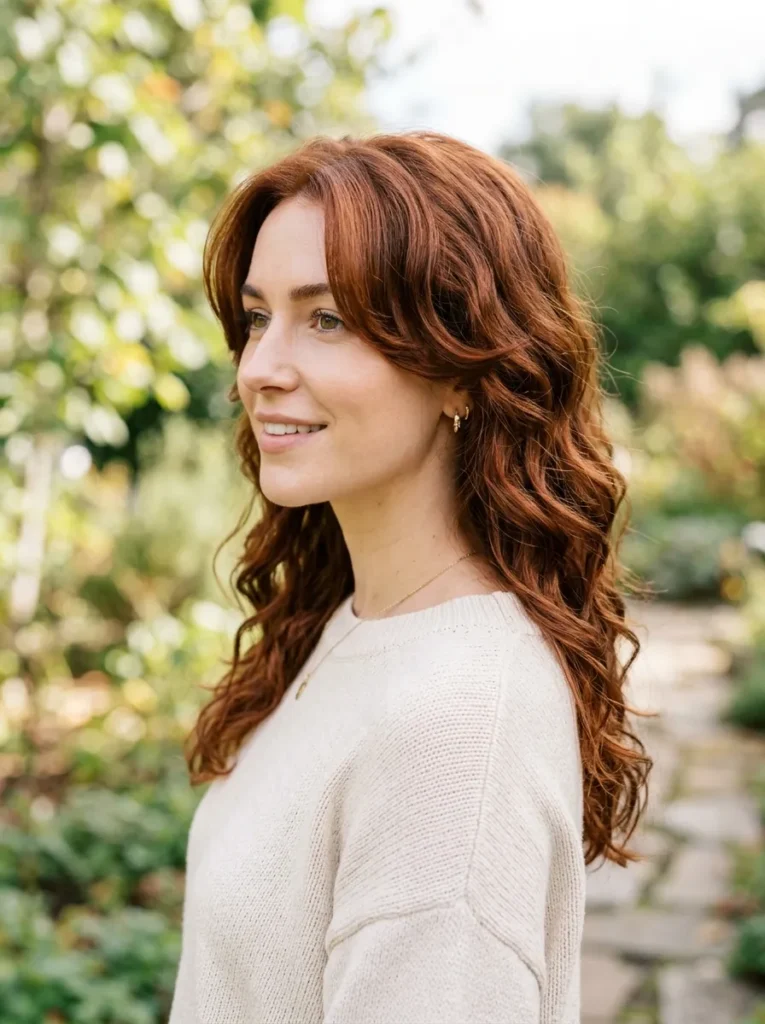
Most face-framing layers end up looking like two skinny pieces stuck to your cheeks. The butterfly version avoids that entirely because the layers are thick enough to blend into the rest of the cut.
On wavy hair, these front pieces curve naturally around the jawline and create width at the cheekbones. If you want to see how other butterfly haircut styles use this same face-framing technique, the trick is always the same: keep the shortest layer no higher than your brow bone, and let it sweep sideways instead of falling straight down.
💡 Face-Framing Tip
Blow your face-framing layers away from your face while damp, then let them fall naturally once dry. This trains the hair to curve outward instead of clinging to your skin, giving you that lifted butterfly shape around the cheekbones all day.
6. Butterfly Bob with Flipped Ends
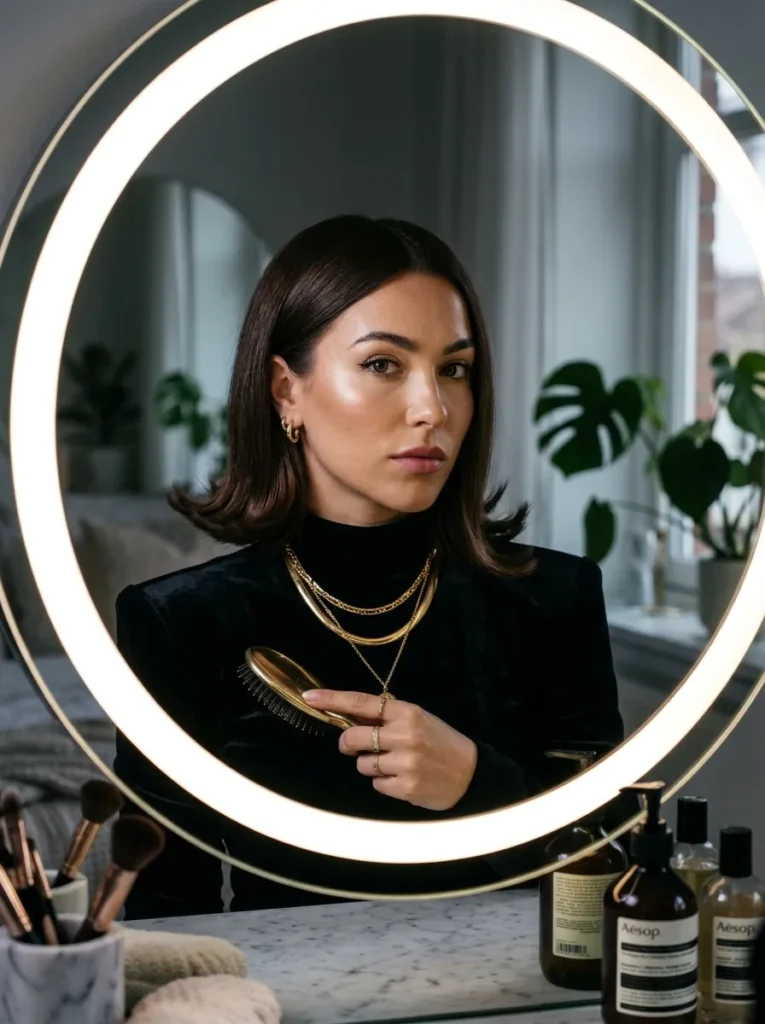
People think the butterfly cut only works on long hair. That is wrong. A chin-length bob with butterfly layering at the crown looks like a retro blowout that just happens to hold its own shape.
The key is to keep the perimeter blunt and flip only the last inch outward using a flat iron. The internal layers handle the volume up top, and the flipped ends add width at the jaw. It reads polished but takes about five minutes with a straightener. Finish with a flexible hold spray so the ends keep their flip without feeling crunchy.
7. Voluminous Butterfly on Fine Hair
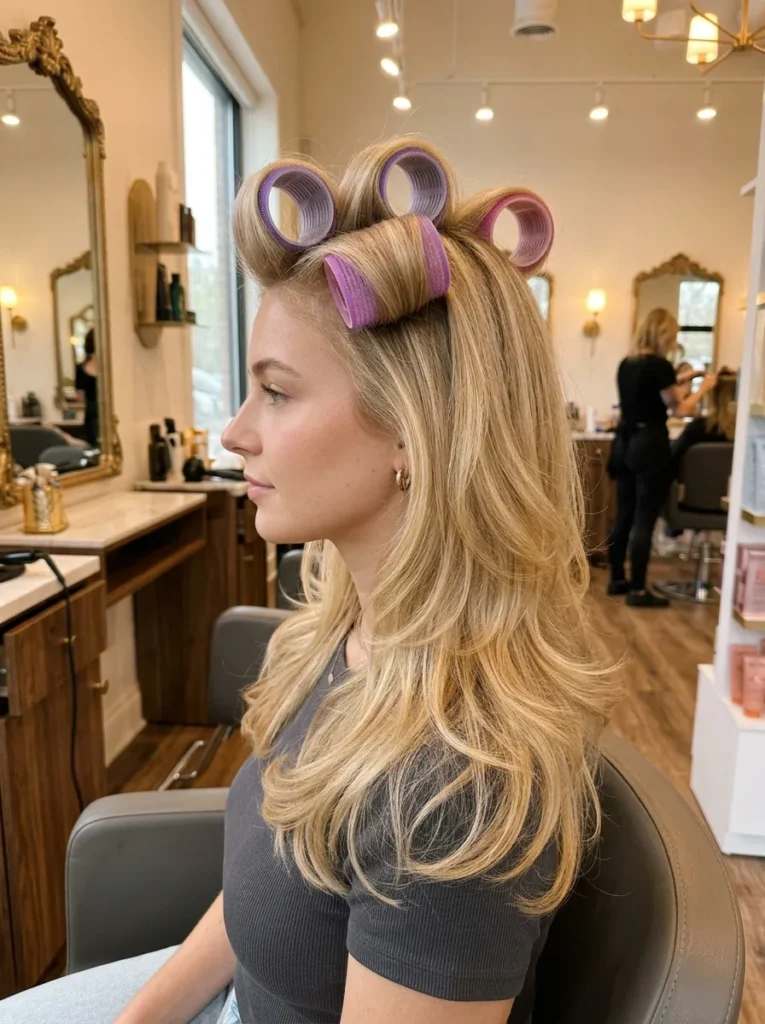
You are heading out for dinner and your hair looked decent thirty minutes ago but now clings to your head like cling wrap. Fine hair loses volume faster than any other texture, which is why the butterfly cut works so well here.
Shorter crown layers on fine hair create the illusion of thickness at the top. Ask for layers that start at the occipital bone and angle forward toward the chin. Velcro rollers set in the crown section for ten minutes while you do your makeup add lift that holds through the evening. No teasing needed.
8. Butterfly Layers with Money Pieces
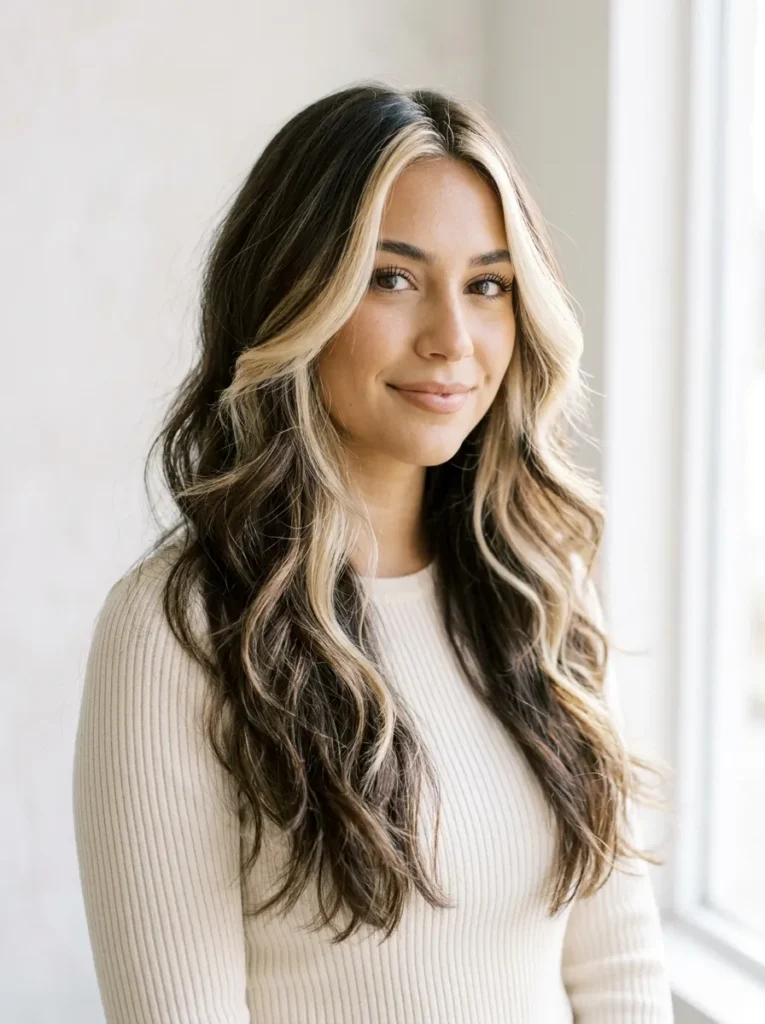
Color placement can amplify the layered shape. Pairing butterfly layers with money piece highlights on the two front sections makes the face-framing layers pop against the rest of the hair.
The lighter front pieces catch light first, which tricks the eye into seeing more dimension and movement. Keep the money pieces within two shades of your base for a natural look, or go three to four shades lighter for bold contrast. Either way, the layered structure gives those highlighted pieces room to move separately, which is where the volume payoff really shows.
9. Short Butterfly with Textured Ends
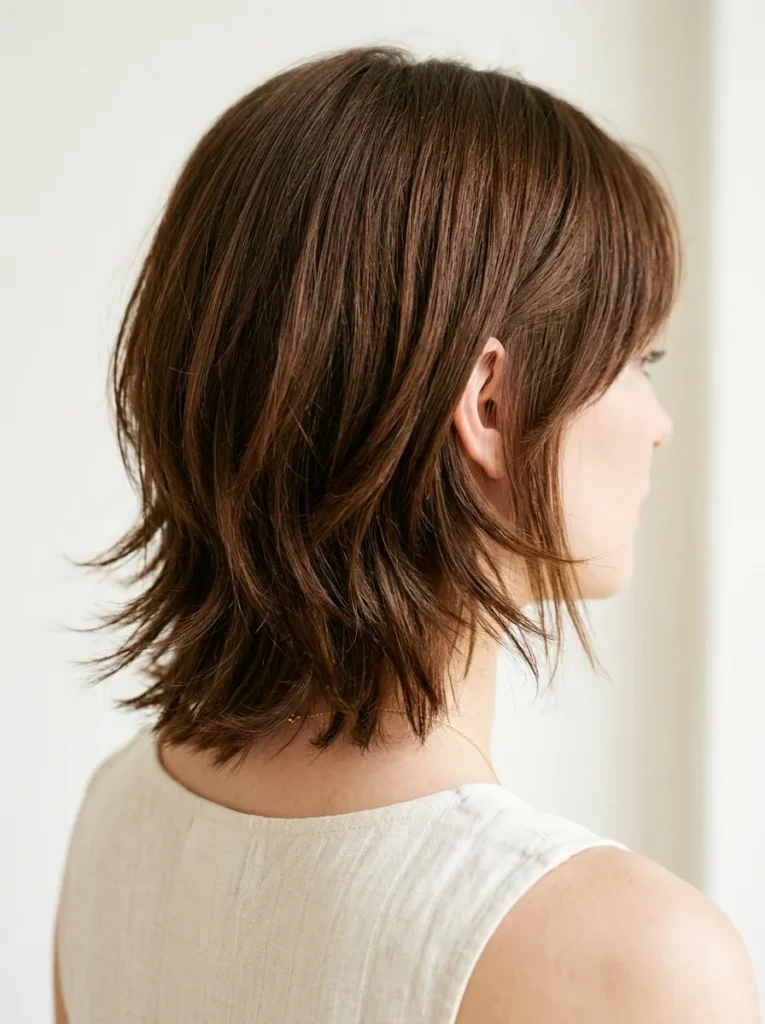
One rule makes or breaks a short butterfly cut: the texturing has to happen at the very tips, not through the body. Point cutting just the last half inch of each layer gives movement without sacrificing the fullness that makes this cut work.
On ear-to-chin length hair, the butterfly silhouette shows up mostly through the crown area. The bottom stays dense and slightly rounded. A pea-sized amount of texturizing cream rubbed through the ends on dry hair separates the pieces enough to show off each layer. Skip anything heavy like wax or pomade, which will weigh the ends down and flatten your crown lift.
10. Butterfly Wolf Cut Blend
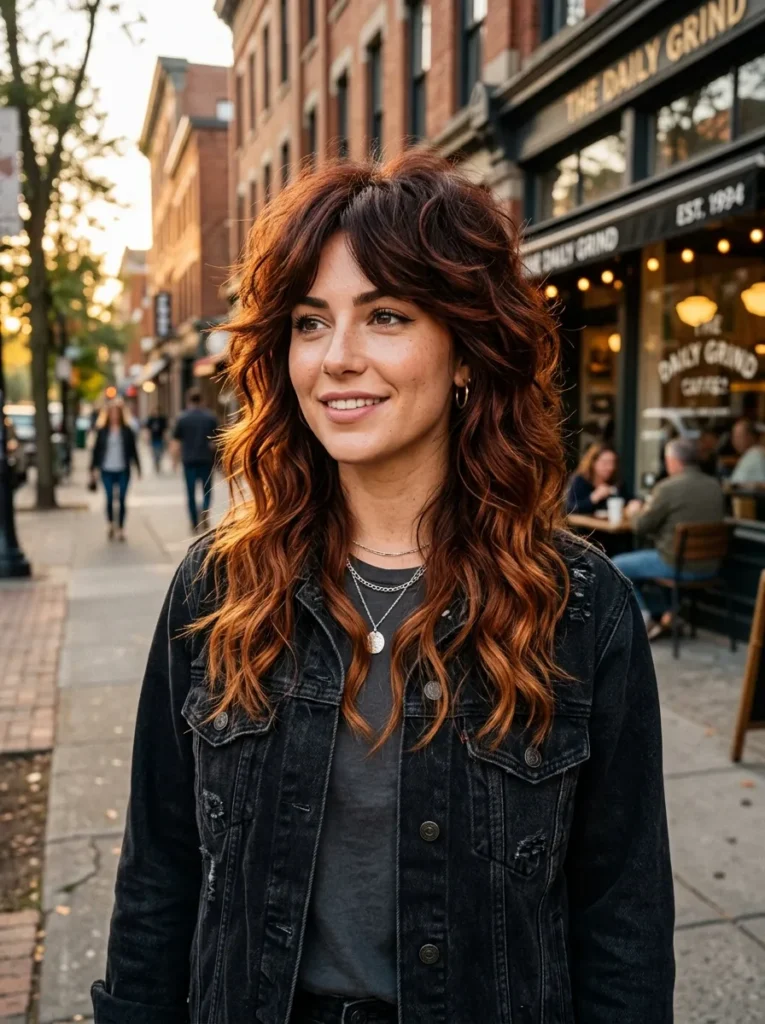
The biggest mistake with a wolf cut is cutting the top too short, so you end up with a mullet you did not agree to. Blending butterfly layers into a wolf cut structure keeps the shaggy texture while giving the crown a rounder, fuller shape.
Where a standard wolf cut has a sharp disconnect between short top layers and long bottom pieces, the butterfly blend softens that gap. The layers cascade more gradually, and the volume concentrates at the crown instead of sticking straight up. It works well on wavy and curly textures where you want movement without that extreme choppy look.
11. Rounded Butterfly for Curly Hair
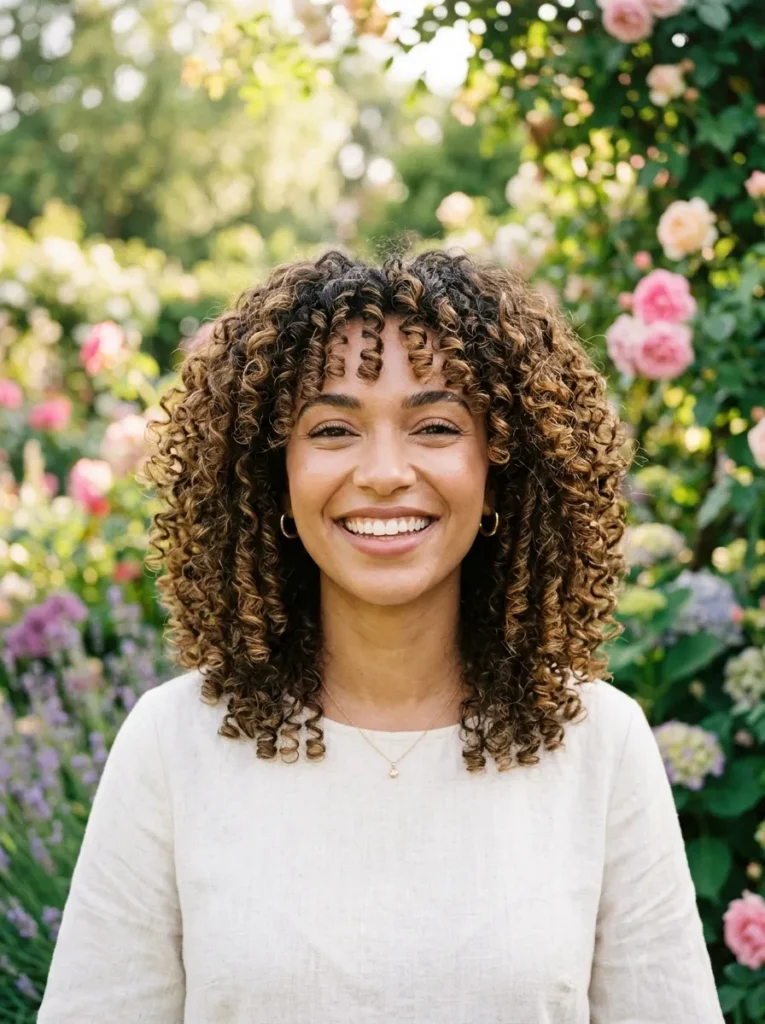
Curly hair shrinks. Every curly person knows this, and most layered cuts ignore it completely. A butterfly cut for curls needs to be cut longer than the intended length because each layer will bounce up two to three inches once dry.
The rounded version keeps the widest point at the cheekbones and tapers gently toward the ends. Cutting on dry hair is non-negotiable here, because wet curls lie flat and completely misrepresent where the layers will fall. I’ve seen this work beautifully on 3A to 3C curl patterns, which surprised me at first because I expected the layers to separate too much. A curl cream applied to soaking wet hair before diffusing locks in the shape.
What you need for curly butterfly layers
12. Butterfly Layers with Deep Side Part
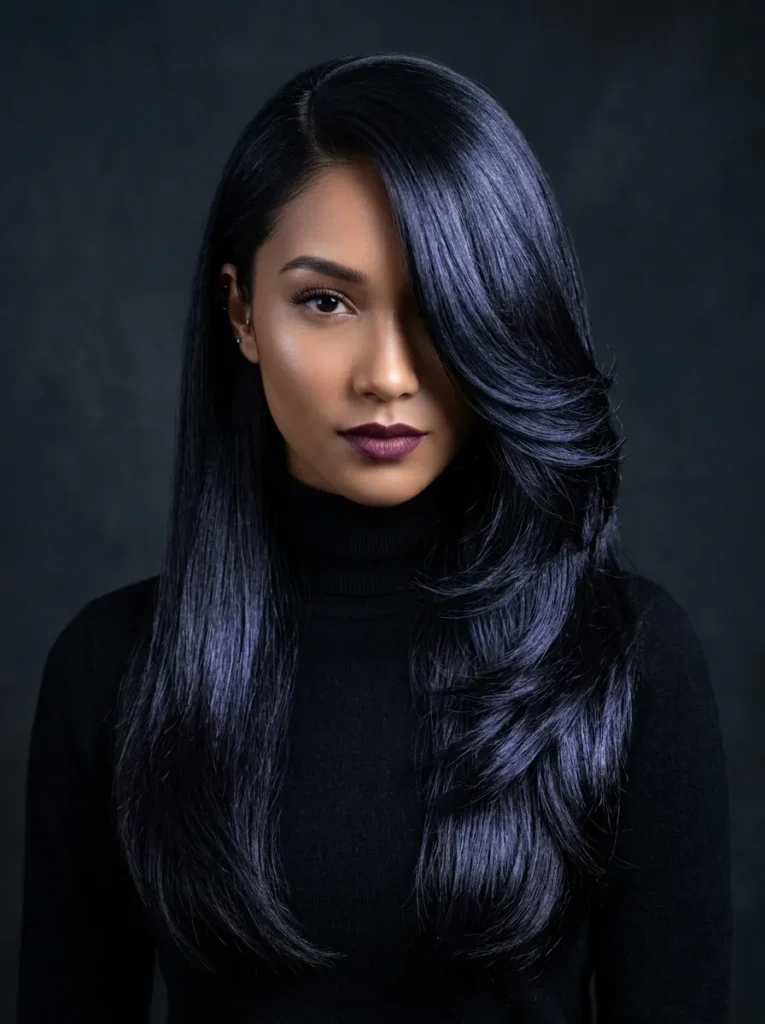
A deep side part shifts all the crown volume to one side of the head, which creates the kind of dramatic asymmetry that looks editorial without any extra effort. On butterfly layers, the shorter crown pieces stack on the heavy side and fan out.
The lighter side stays sleek and tucked, which gives your face a longer, more angular frame. This works best on straight to slightly wavy hair that holds a part well. Set the part while hair is wet, blow dry in that direction, and the layers will learn to fall that way after a few washes. A small amount of root-lifting powder along the part keeps the volume from collapsing flat by midday.
13. Long Butterfly with Bottleneck Bangs

Bottleneck bangs taper from a short center section outward toward the temples, creating a narrow-to-wide shape that mirrors the butterfly layers below. The two elements together build a cohesive frame around the face.
This pairing works because both elements share the same design logic: short in the middle, wider as they move outward. The bangs handle forehead coverage while the butterfly layers take over from the cheekbones down. In my experience, a texturizing spray before you start makes all the difference here. It gives the bangs just enough grip to stay separated instead of clumping into a single sheet across the forehead.
14. Lived-In Butterfly on Medium Hair
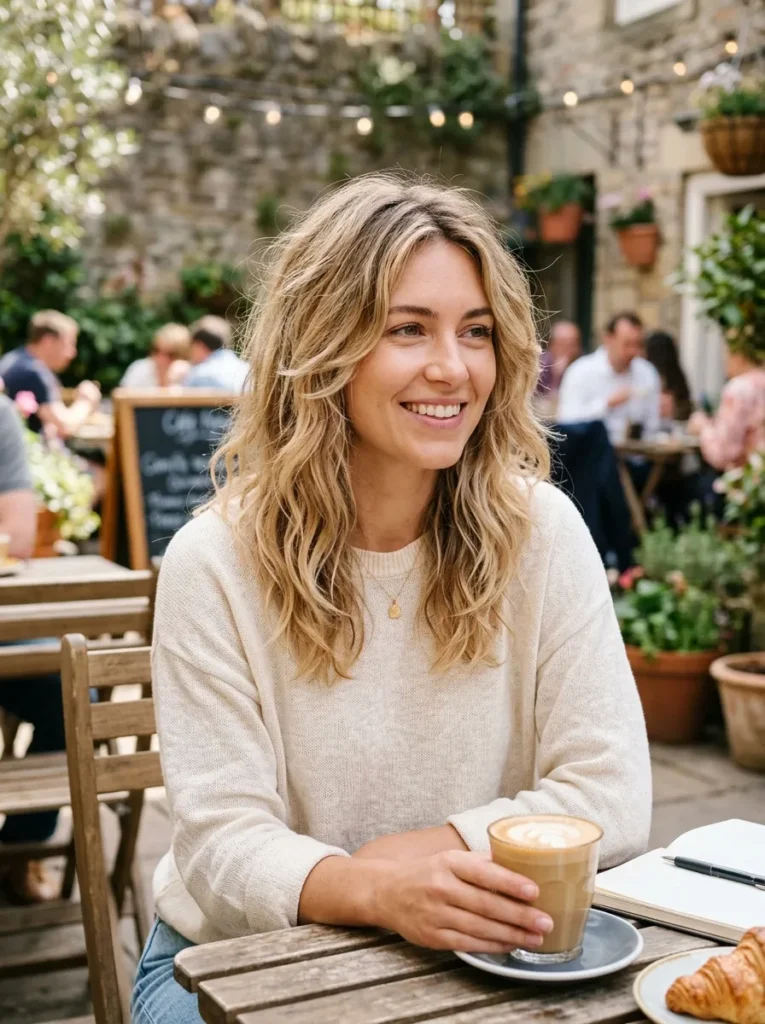
Saturday morning, coffee in hand, zero interest in spending twenty minutes with a round brush. That is the exact moment medium length hairstyles like this one prove their worth.
A lived-in butterfly on shoulder-length hair means the layers are slightly grown out and the ends are air-dried with just a scrunching motion. The result looks intentionally undone. Spray a salt texturizer on damp hair, scrunch in sections, and walk away. The butterfly structure does the rest because those shorter crown layers still lift even without heat styling.
Flat, one-length medium hair that needs heat tools every morning to look styled. Volume disappears by noon.
Airy, textured shape that air-dries with built-in lift. Crown layers hold volume without a blowdry.
15. Butterfly Layers with Wispy Bangs
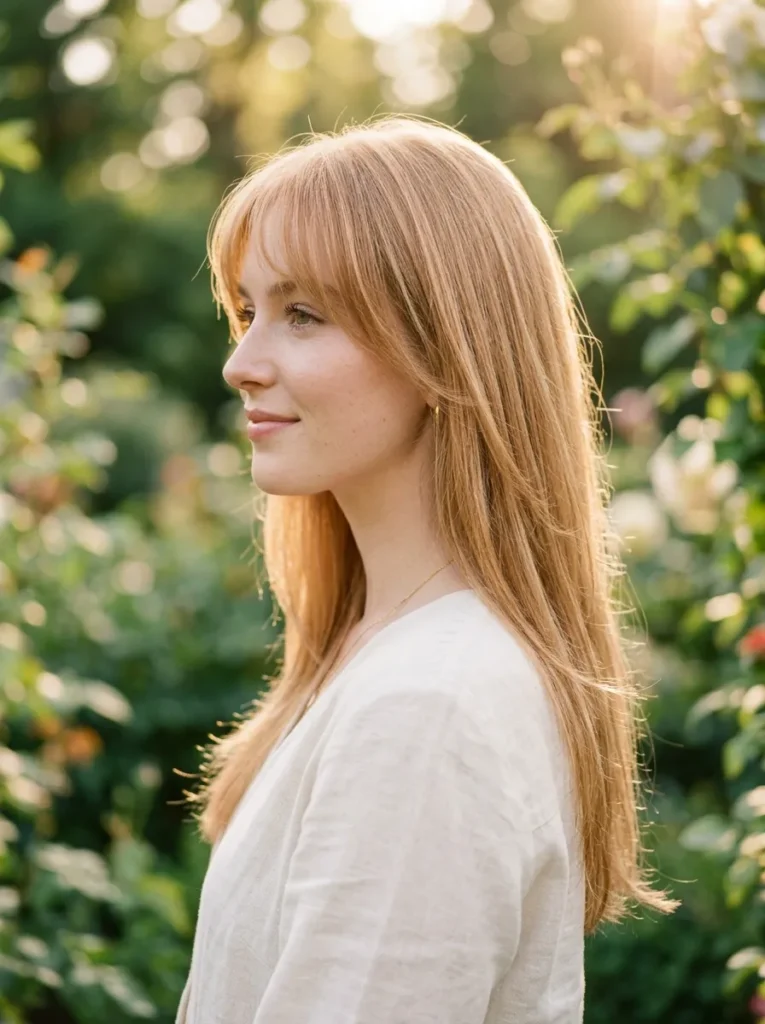
Wispy bangs sit lighter on the forehead than blunt or curtain bangs, which makes them easier to maintain between trims. Paired with butterfly layers, they add a soft top layer to the overall shape. If you have been considering wispy bangs for a modern look, this cut gives them the best backdrop.
The key is asking for the bangs to be point-cut rather than blunt-cut. That keeps them airy and lets them blend into the face-framing layers instead of sitting as a separate element. On days when you want them off your face, they are light enough to push sideways and tuck behind the shorter layers without looking bulky.
16. Butterfly Cut with Copper Tones
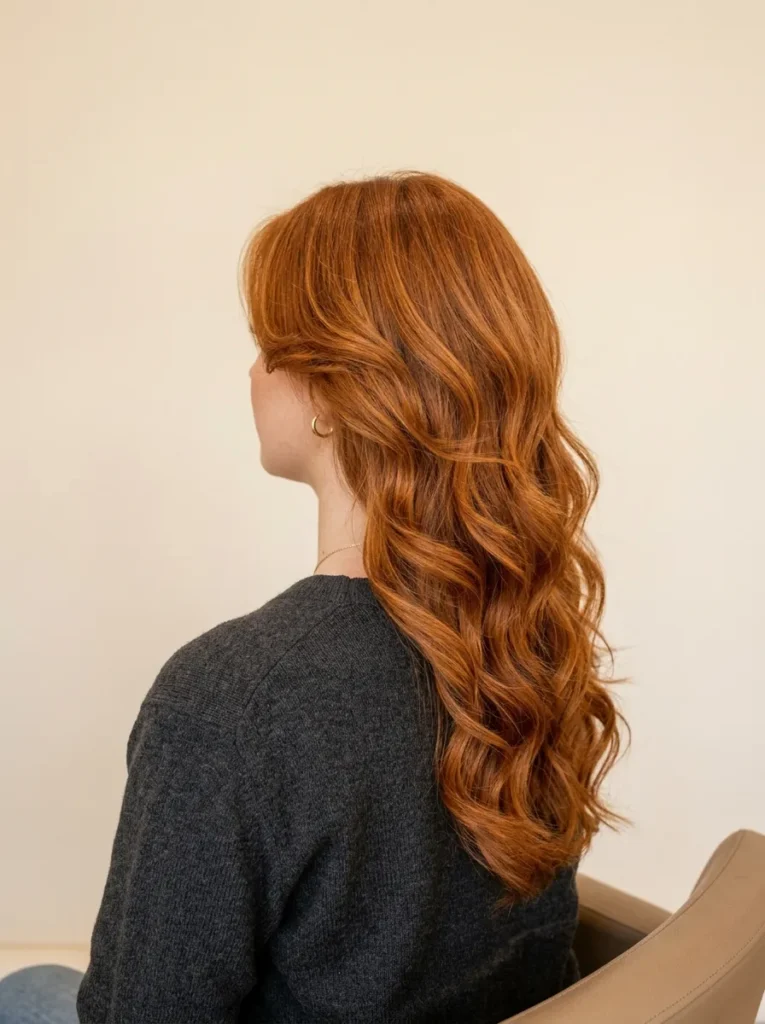
A copper butterfly cut next to a standard brunette butterfly cut shows exactly how much color can change the perceived volume of the same structure. The warm tones catch light on every layer, which makes each one visible as a distinct piece.
Copper works especially well here because it has natural variation between lighter and darker tones across a single strand. That built-in dimension pairs with the butterfly layering to create a look that appears twice as thick as it actually is. Ask for a copper gloss over your natural base to start, which gives you the warmth without the maintenance of a full color change. A color-safe conditioner once a week keeps the tones from fading.
17. Butterfly Layers on Straight Hair
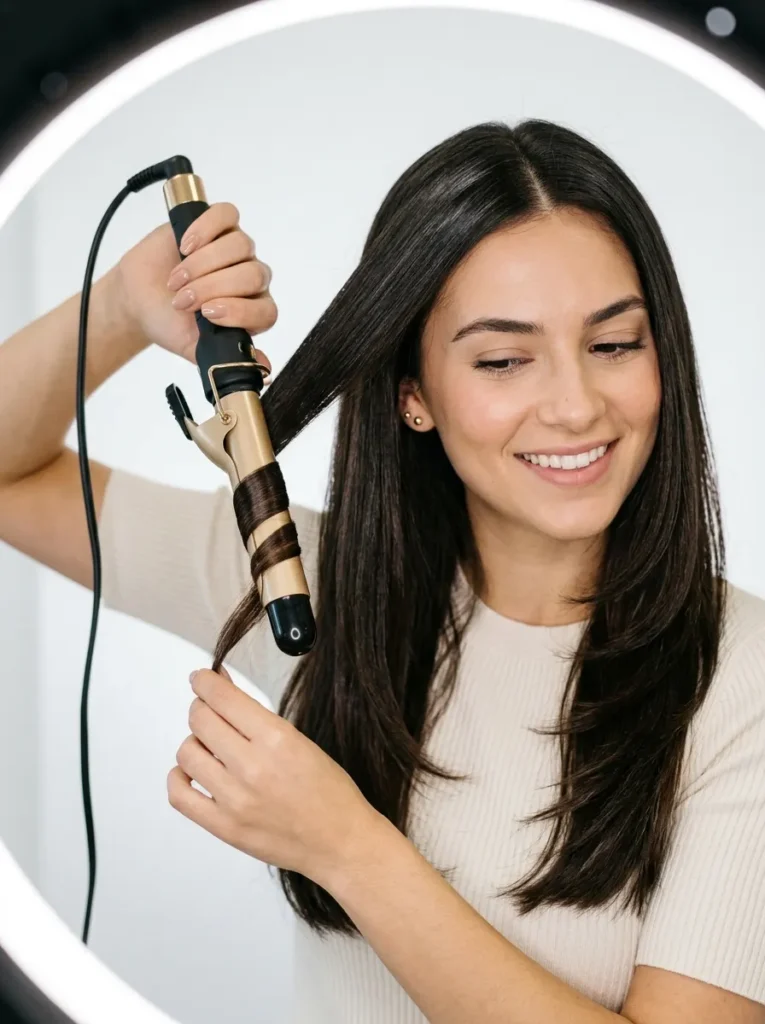
Grab a 1.25 inch curling iron and wrap only the middle section of each layer, leaving the roots and ends straight. That is the fastest way to make butterfly layers show up on straight hair.
Straight hair tends to hide layers because everything falls in the same direction. Adding a single bend in the middle of each piece forces the layers apart and creates that wide, lifted silhouette the cut is designed for. Most people pull too much hair into the iron, which creates a uniform wave instead of visible separation. Work in one-inch sections for the best definition.
Apply heat protectant to dry hair and clip the top layers up.
Wrap the mid-shaft of each bottom section around the iron, leaving 2 inches of ends straight.
Release the top layers and repeat, curling away from your face.
Shake hair upside down for ten seconds, then finish with a light-hold hairspray.
18. Butterfly Mullet Hybrid
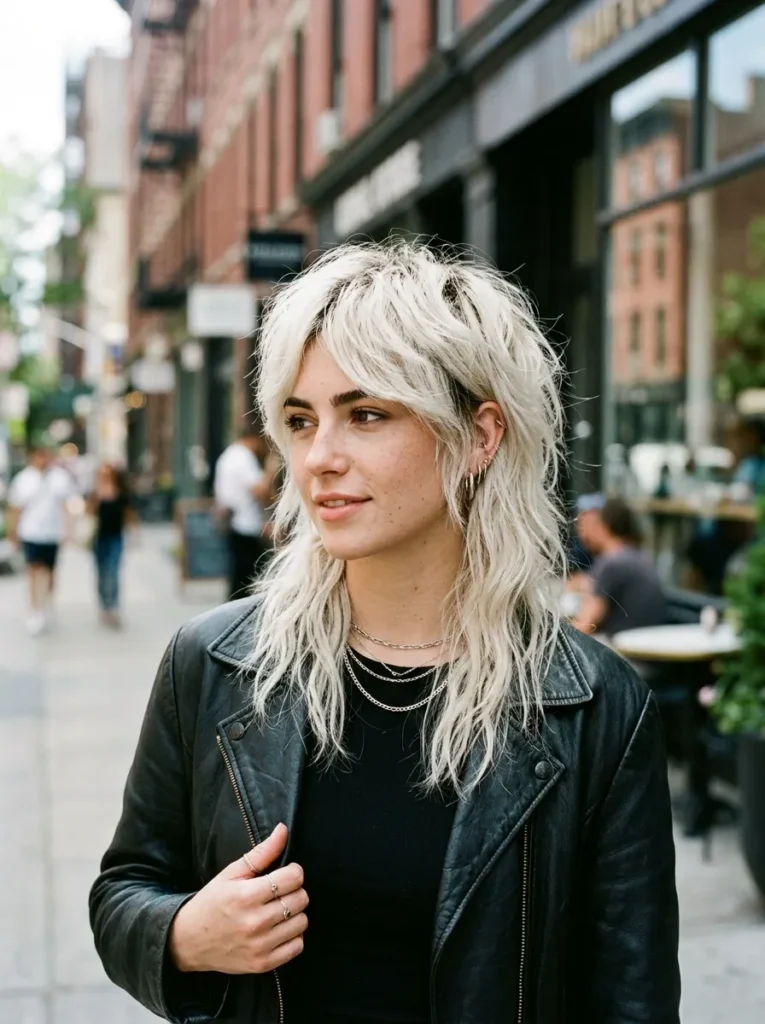
The mistake people make with a mullet is assuming the back has to be dramatically longer than the front. A butterfly mullet hybrid closes that gap. The back is only two to three inches longer than the side pieces, and the crown layers are short enough to stand up on their own.
The result looks more like a heavily layered shag with attitude than a traditional mullet. The butterfly layering rounds out the crown instead of letting it spike, which keeps the shape wearable for a work setting. Rough-dry with your fingers, scrunch in a matte texturizing paste, and leave it messy. Trying to over-style this one kills the point of it.
19. Bouncy Butterfly with Velcro Rollers
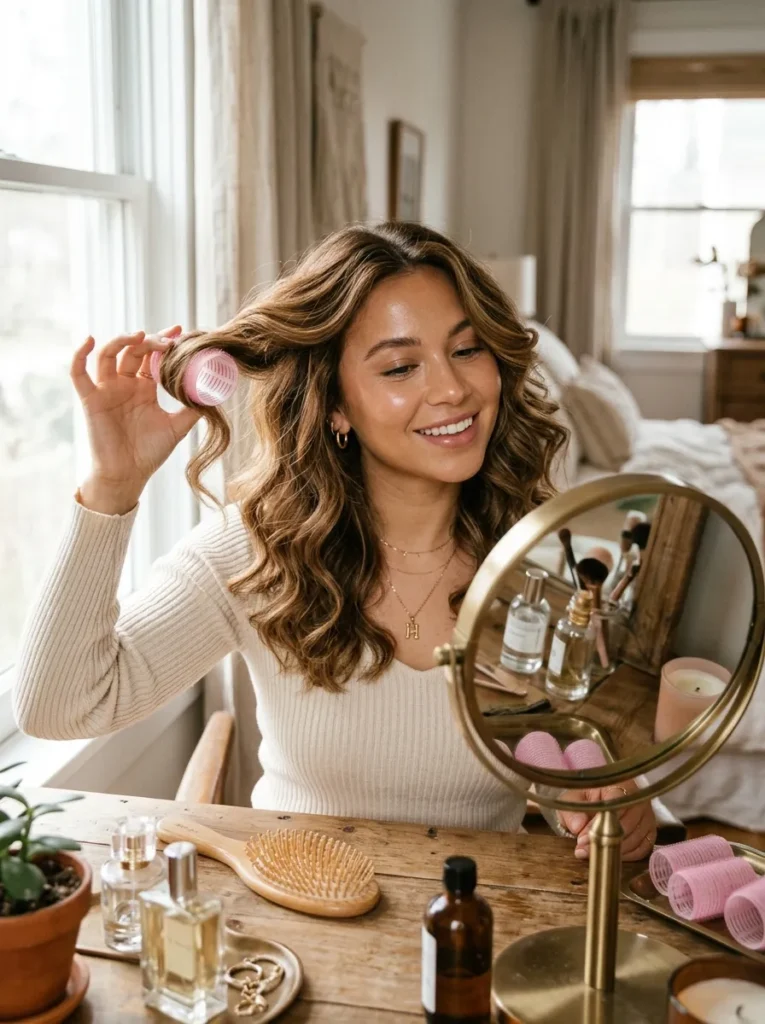
Set three large velcro rollers in the crown section of dry butterfly layers, blast with warm air for two minutes, then let them cool for five. That one step turns a good cut into a head-turning one.
The reason this works so well on butterfly cuts specifically is that the shorter crown layers wrap fully around the roller and hold the curl, while longer bottom layers stay straight and smooth. You get lift exactly where the cut is designed to have it. In my experience, 2-inch diameter rollers give the most natural bounce without looking like you tried too hard. Smaller rollers create too-tight curls that read 1980s, not modern volume.
20. Tapered Butterfly for Thin Hair
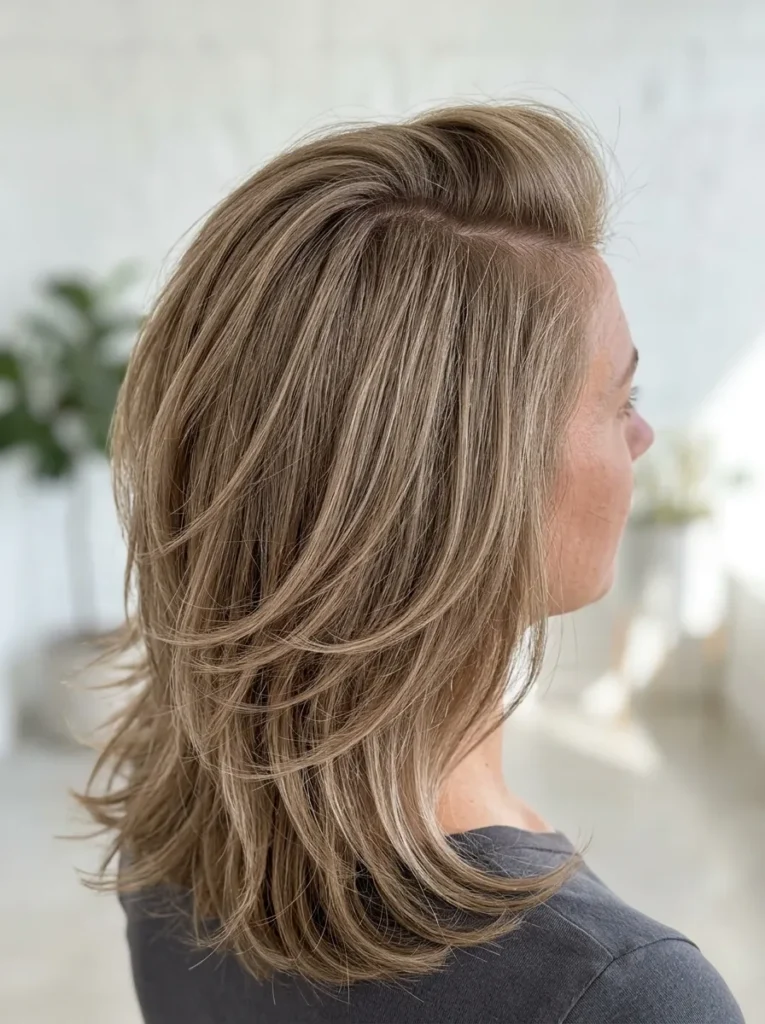
The idea that thin hair cannot handle layers is the most persistent myth in hair salons. Thin hair needs the right layers, not zero layers. A butterfly cut with a tapered perimeter keeps the bottom edge neat while the crown layers create all the lift.
The taper means the very ends are cut at a slight angle instead of a blunt line, so the hair falls in a graduated shape that looks thicker. Ask your stylist to keep the interior layers at medium length, not too short. On thin hair, overly short crown layers can expose the scalp when the hair moves. A volumizing powder at the roots before styling is the finishing touch that holds the lift all day.
Keep butterfly layers at medium length on thin hair. Too-short crown layers expose the scalp, while medium layers stack on each other and create the illusion of density where it matters most.
Final Thoughts
Butterfly layered haircuts give you volume that comes from structure, not just styling products or heat tools. The shape does most of the heavy lifting because those stacked crown layers push hair up and out, while the longer pieces below keep everything balanced. Whether you work with curls, straight strands, fine hair, or thick texture, there is a version here that fits.
Save this list for the next time you are heading to the salon and want a cut that actually builds body into your hair from the inside out.