Long Layered Haircuts: Movement Without Losing Length
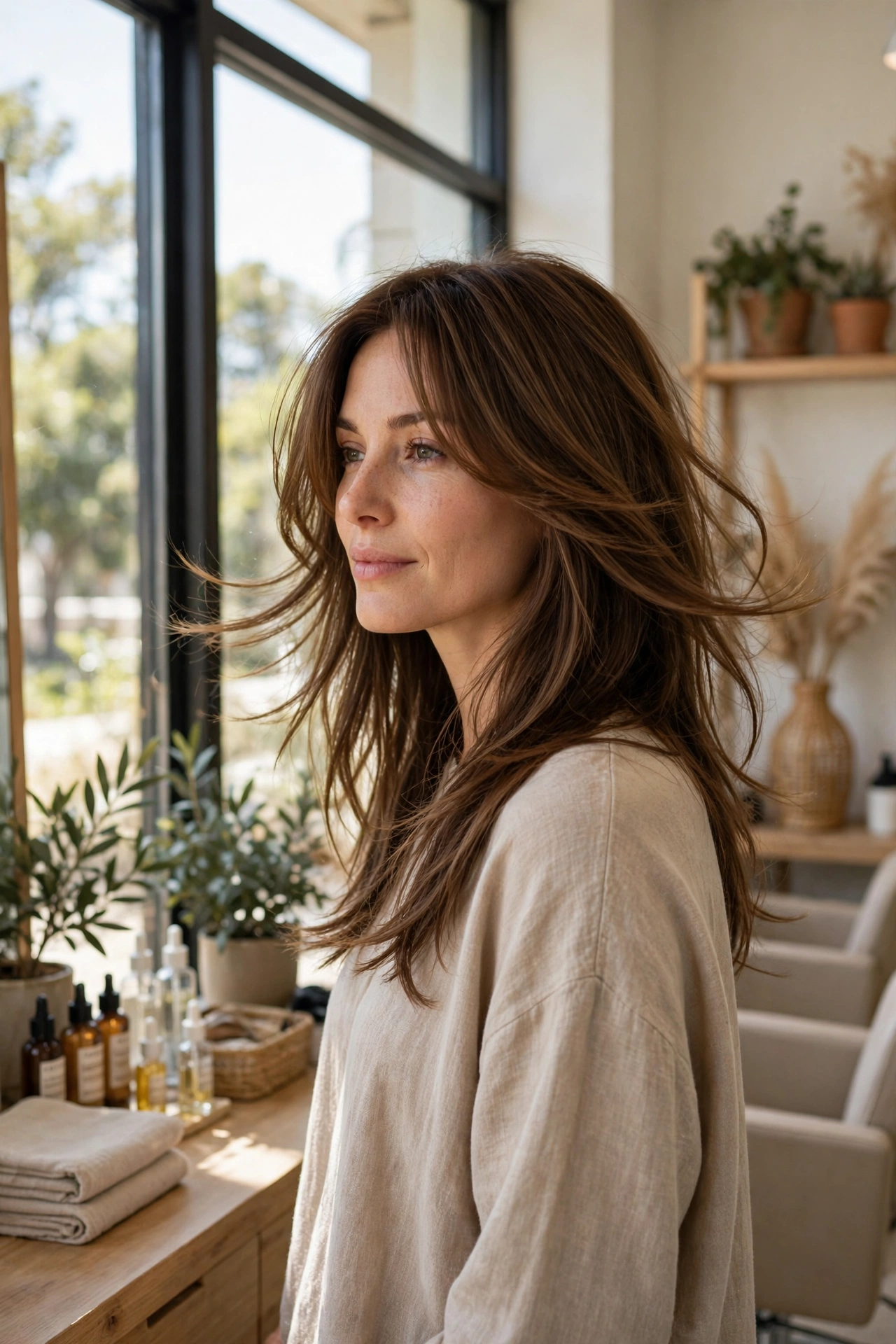
Long layered haircuts fix the one problem long hair always brings: length with no shape. Hair that hangs in one flat sheet looks heavy at the ends and flat at the crown, and it hides the face instead of framing it. Layers change that without taking the length away. A few well placed cuts add movement at the ends, lift at the crown and shape around the face, and the hair still falls past the shoulders.
This list gathers 24 ways to wear long layers. There are classic cuts, face framing pieces, curtain bangs, feathered ends, V and U shapes, shag texture, and versions made for thick, fine, curly, wavy and straight hair. Each idea notes who it suits best, how it behaves day to day, and what to ask for at the salon. Most of these cuts work on hair that falls past the shoulders, and none of them need a dramatic chop.
Read through the list, save the versions that match your hair type and your routine, and start with the cut that fits your length right now.
At a glance
• Best for thick hair: Feathered Long Layers, which remove weight without losing length
• Best for fine hair: Fine Hair Layers, long and few so the ends stay full
• Best for curls: Curly Long Layers, cut dry to the curl pattern
• Quickest to style: Straight Long Layers, polished with little styling
Classic Long Layers
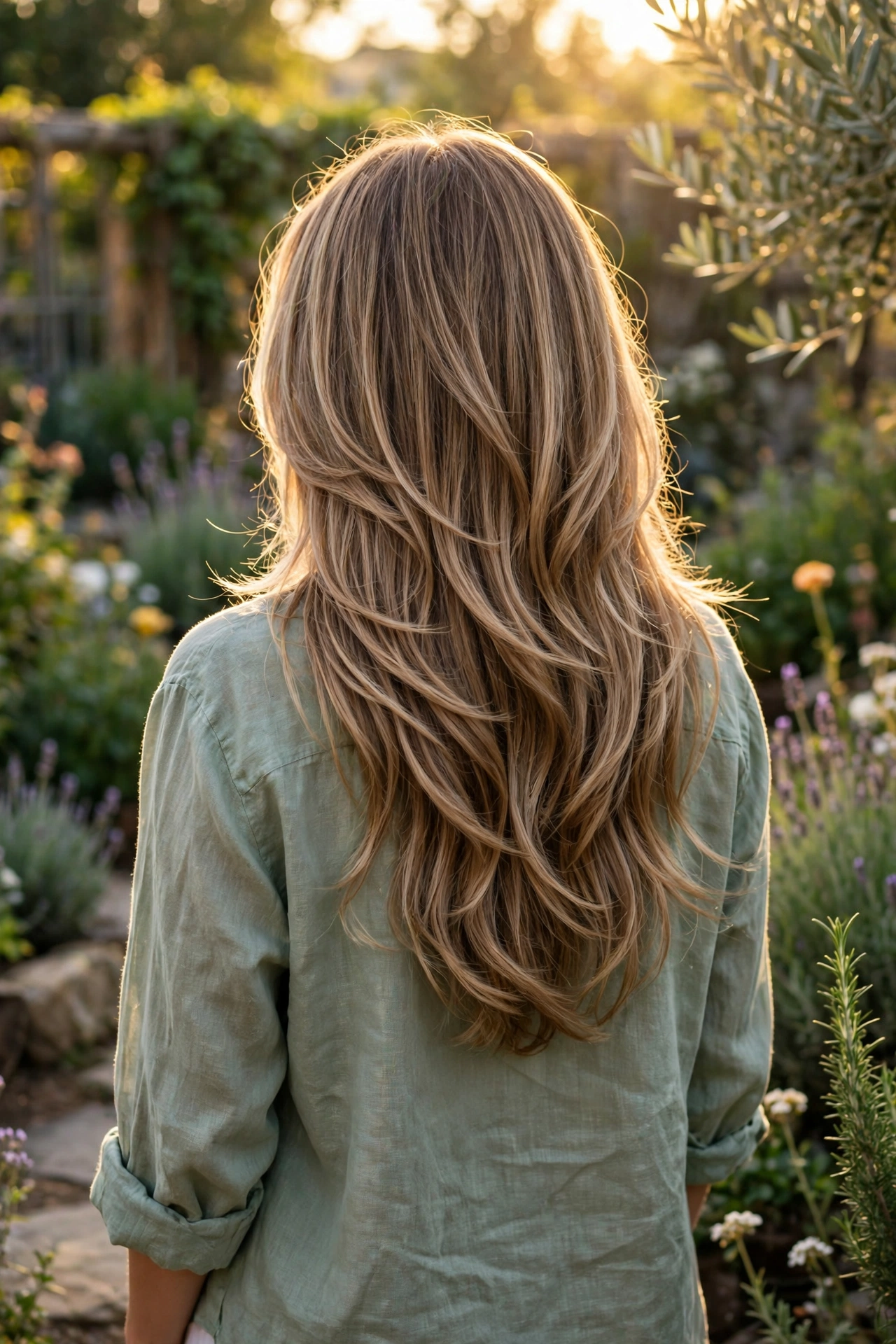
Classic long layers keep the length and add shape in the most straightforward way. The stylist cuts graduated layers through the lengths, shortest near the face and longest at the back, so the hair moves when you walk and falls in a soft shape instead of a flat sheet. It suits almost every hair type, and it grows out gracefully because the layers blend as the hair gets longer.
Ask for layers that start at the collarbone or below to keep the full length. Layers that start higher remove more weight and give more movement, and they suit thick hair best. If you are growing your hair toward a goal length, the Hair Length Calculator shows how long the wait will be, so you can plan the cut around it.
Tip: Ask for the shortest layer at the collarbone if you want to keep the length, and higher if you want more movement.
Face Framing Layers

The shortest layers sit around the face in this cut, and they do the most visible work. Face framing layers soften a strong jaw, open up the eyes and give the hair a shape even when it is tied back. They suit every face shape because the stylist places them to match your features, and they work on straight, wavy and curly hair.
- Start the shortest layer at the cheekbone for a soft frame.
- Keep the layers long past the chin for a subtle effect.
- Ask for the pieces to blend into the lengths, not sit apart.
The layers need a trim every eight to ten weeks to hold their shape, and they look best when the ends are healthy.
Checklist
☐ A photo of the frame length you want
☐ A trim every eight to ten weeks
☐ A light serum for the ends
Curtain Bang Layers

Quick Tip: Let the bangs grow past the cheekbone and they turn into face framing layers, so the style never has an awkward stage.
Curtain bangs part in the middle and fall to each side of the face, and they blend into long layers without a hard line. The style suits a middle part best, and it grows out with little fuss because the bangs lengthen into face framing layers on their own. It works on straight and wavy hair, and it softens a wide forehead without a full fringe. The bangs need a trim every four to six weeks if you want them to stay at cheek length, and they sit best on hair that is blown dry with a round brush.
The bangs suit heart and oval faces, since the part opens the forehead and the sides frame the cheeks. They also hide a cowlick at the front, since the middle part splits the hair where it naturally wants to fall.
Feathered Long Layers
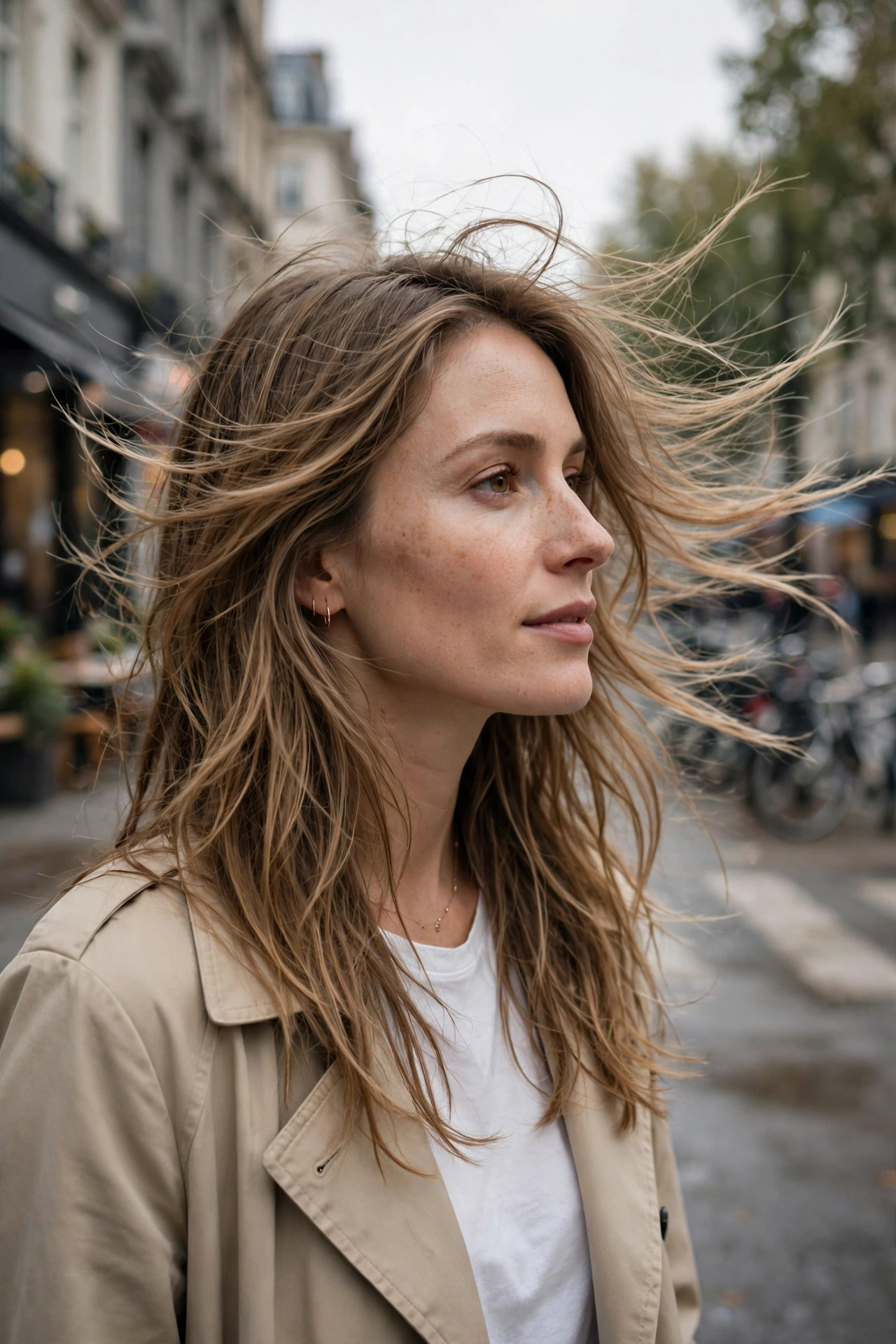
BEFORE: the hair hangs in one heavy sheet with no lift at the ends. AFTER: feathered layers lighten the ends and the hair moves with each step.
Feathering thins the ends of each layer so the hair tapers instead of ending in a blunt line. The effect suits thick hair best, since it removes weight without losing length, and it gives straight hair a soft, airy finish. It also suits wavy hair, where the feathered ends stop the waves from bunching into a triangle. For a fuller version of feathered layers, the butterfly layered haircuts list shows cuts with more volume at the crown.
BEFORE
Hair hangs in one heavy sheet with no lift
AFTER
Feathered ends lighten the shape and add movement
Side Part Layers
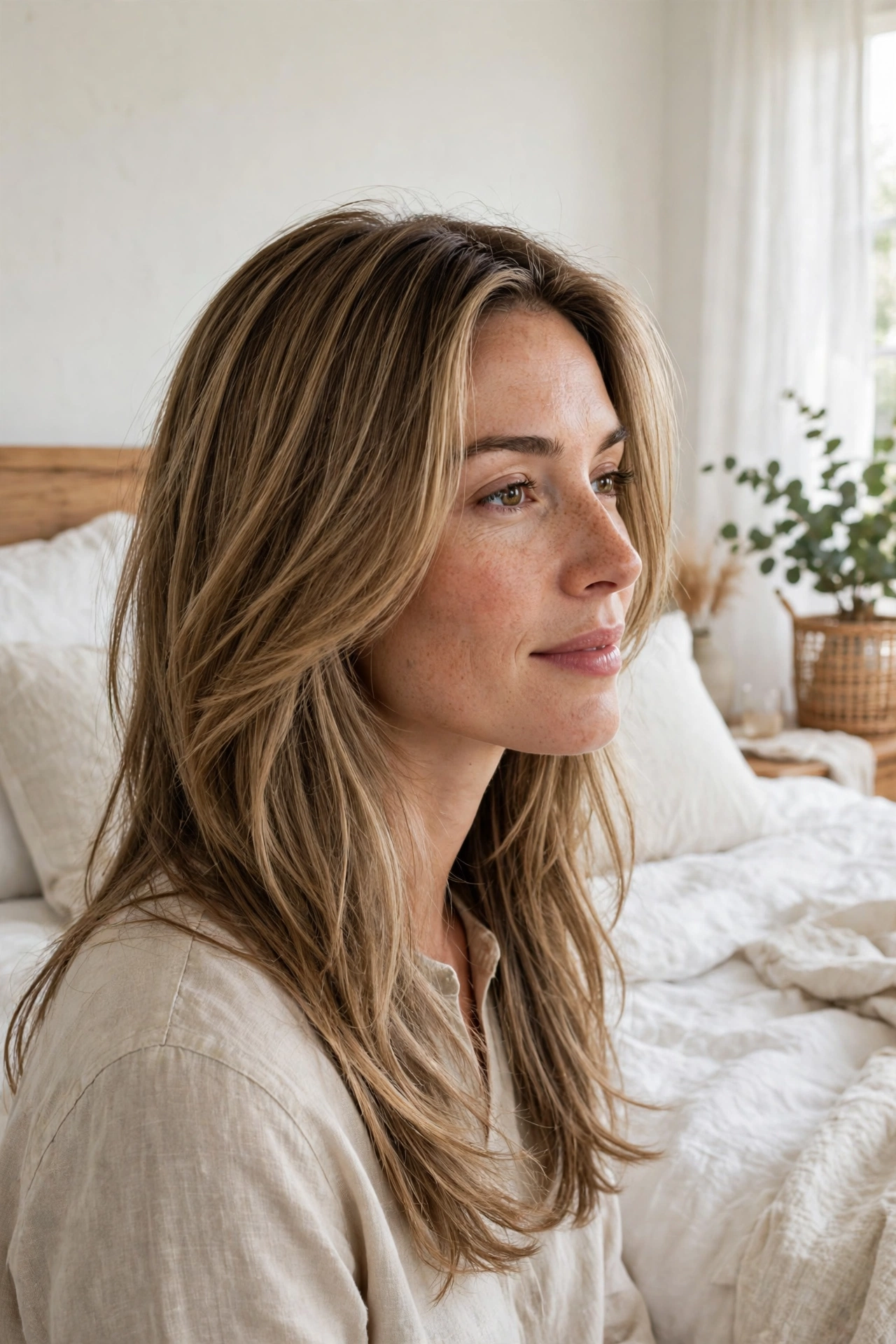
- Part the hair deep on one side while it is damp.
- Ask the stylist to cut the layers shorter on the heavy side.
- Keep the layers longer on the light side for balance.
- Blow dry the heavy side with volume at the root.
A deep side part shifts the weight of the hair to one side, and the layers follow that shift so the style holds its shape. In my experience, a side part suits long layers better than a middle part when the hair is thick, since the weight sits on one side and the layers stop it from spreading wide. The style suits oval and round faces, and it works on straight and wavy hair.
A side part also hides thinning at the crown, since the weight covers the scalp on the heavy side. It suits anyone who wants a change without a cut, since moving the part alone reshapes the layers.
DO
Part the hair while it is damp, so the part stays where you set it
DON’T
Cut the layers even on both sides, since the part makes one side heavier
V Cut Layers
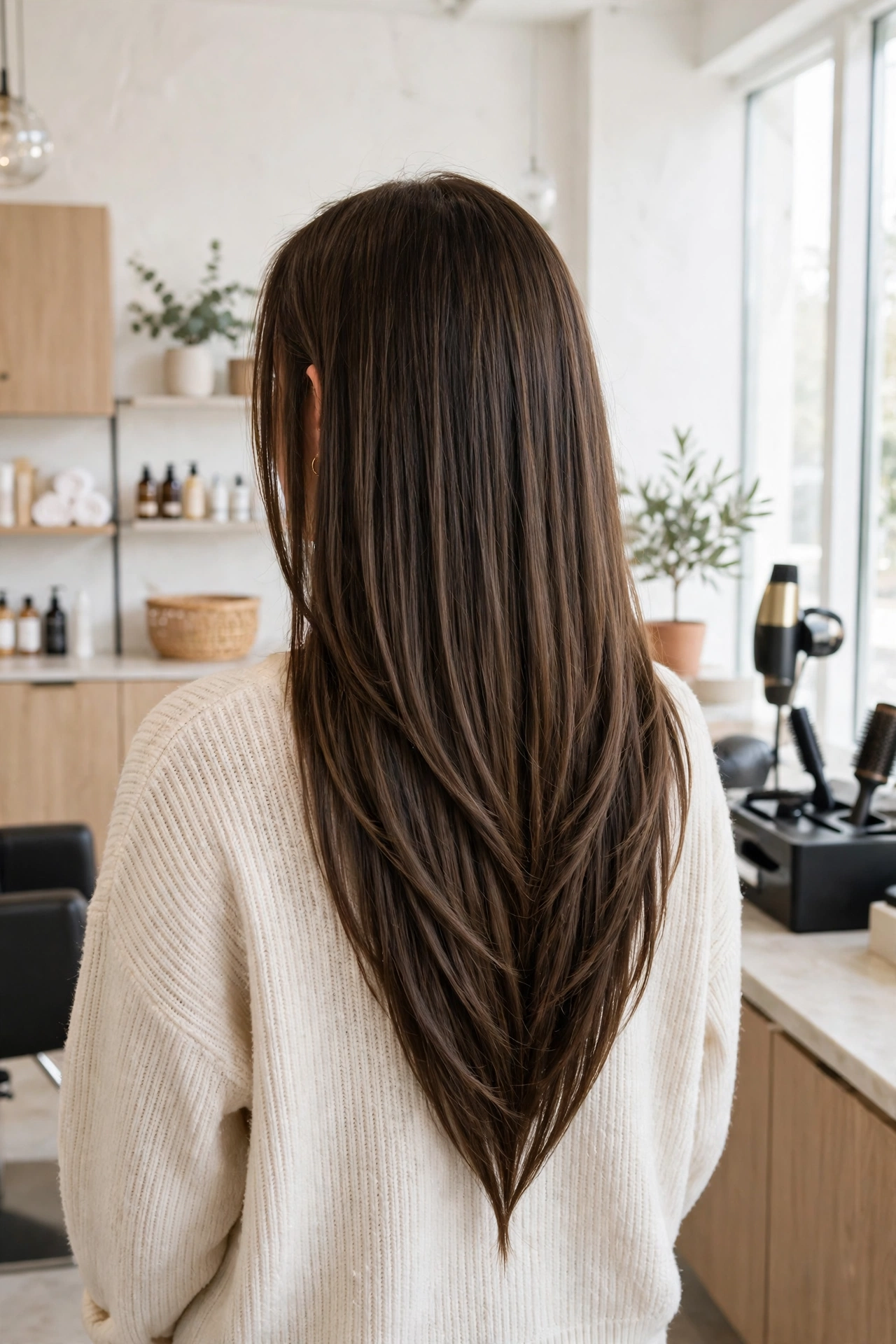
DO: Ask for the V shape to start at the shoulder blades, so the point sits low.
DON’T: Let the V start too high, since a high V removes length from the sides.
A V cut shapes the back of the hair into a point, with the longest hair in the centre and the sides rising toward the shoulders. The shape suits long hair best, since the point needs length to show, and it reads well from behind. It works on straight and wavy hair, and it suits thick hair because the V removes weight from the sides while the centre keeps its length.
Best for
Long thick hair
Grow out
Graceful, point softens over time
Upkeep
Trim every 8 to 10 weeks
U Cut Layers

Shape: a soft rounded U at the back, with the longest hair in the centre.
Length: keeps the full length while the sides rise gently.
Best for: long hair that needs shape without a sharp point.
A U cut rounds the back of the hair into a soft curve, and the curve shows best on long hair worn down. It suits fine hair well, since the rounded shape gives the ends a fuller look, and it suits straight and wavy hair. The U shape grows out evenly, so the cut holds its shape for weeks longer than a V cut.
Why the U shape works
• The rounded ends read as fuller than a V point
• The shape grows out evenly over weeks
• The curve shows best on long hair worn down
Long Shag Layers

A long shag cuts choppy layers through the lengths and adds texture at the crown, and the result is a relaxed, lived-in shape. The shag suits wavy and curly hair best, since the texture works with the natural pattern, and it suits anyone who wants a cut that needs little styling. The layers give the hair movement without a polished finish, and the style looks good air dried.
Ask for the layers to start at the cheekbone for the most texture, and keep the ends choppy rather than blunt. A shag grows out well because the choppy layers blend as they lengthen, and it suits thick hair since the texture removes bulk.
Checklist
☐ Layers starting at the cheekbone
☐ Choppy ends, not blunt ends
☐ A texture spray for air drying
Wispy End Layers
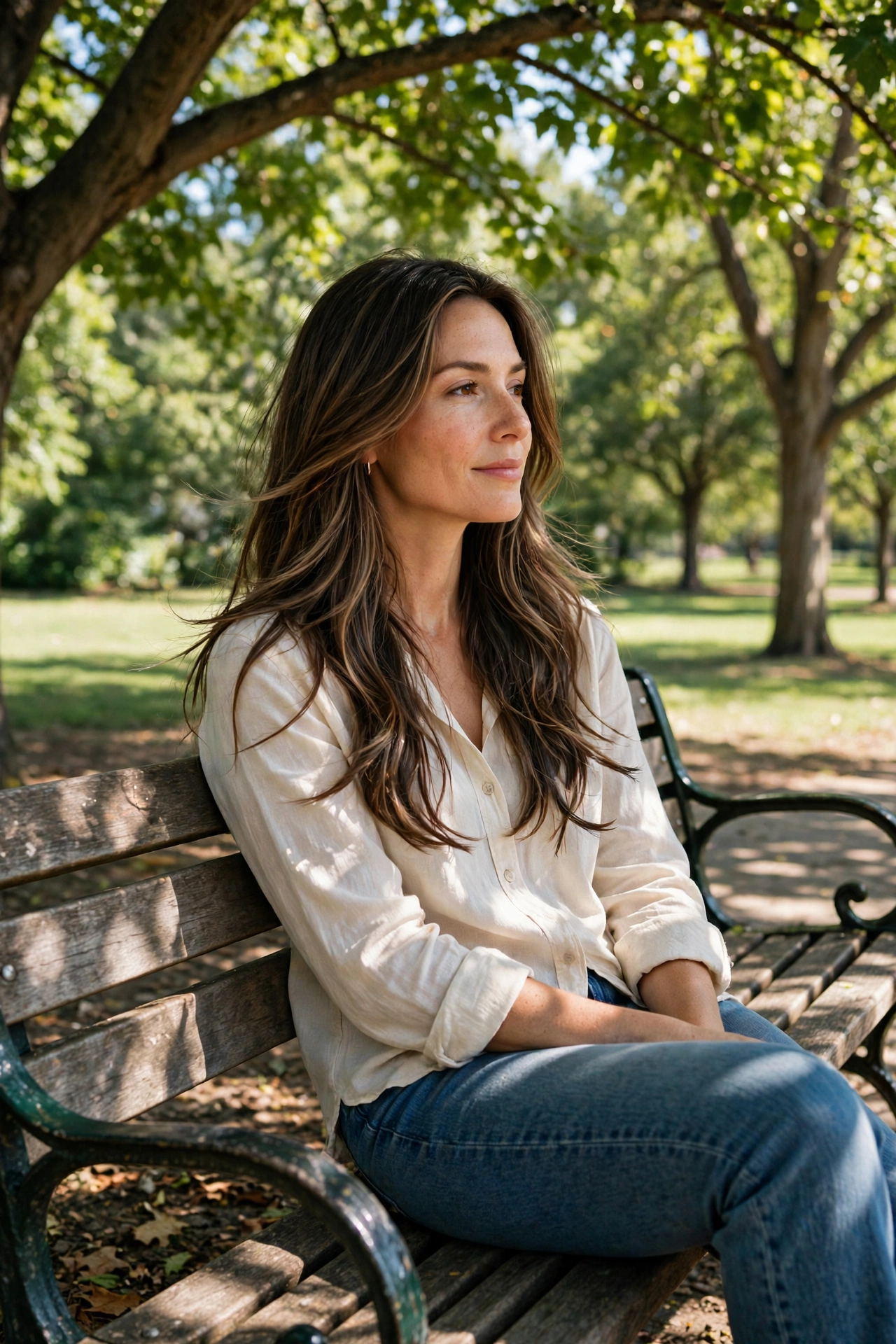
Wispy ends thin the last few inches of each layer, so the hair tapers to a soft finish instead of ending in a hard line. The effect suits fine hair best, since the wispy ends stop the hair from looking thin and stringy, and it suits straight hair where the taper shows clearly.
- Ask for the ends to be point cut, not cut straight across.
- Keep the wispy section to the last two inches.
- Use a light serum on the ends to stop frizz.
The style needs a trim every six to eight weeks, since wispy ends split faster than blunt ends.
Best for
Fine straight hair
Upkeep
Trim every 6 to 8 weeks
Finish
Soft tapered ends
Blunt End Layers

Quick Tip: Keep the layers above the blunt ends, so the shape moves while the bottom stays thick.
Blunt ends cut the hair straight across at the bottom, and the layers above them give the shape movement without thinning the ends. The style suits fine hair best, since blunt ends make the hair look thicker, and it suits straight hair where the clean line shows. It also suits anyone who wants a polished finish, since the blunt ends read as neat and deliberate. The ends need a trim every six to eight weeks to stay sharp, and a flat iron keeps the line crisp.
The style suits oval and square faces, since the clean line at the bottom balances the jaw. It also suits anyone who wears the hair down most days, since the blunt ends look finished without styling.
Thick Hair Layers

BEFORE: thick hair hangs heavy and wide with no shape. AFTER: long layers remove weight from the inside and the hair falls in a narrower shape.
Thick hair needs layers that remove bulk from the middle lengths, not only the ends. The stylist cuts longer layers through the interior so the hair thins out without losing length, and the outer layer stays long to cover the shape. I’ve noticed that thick hair holds a layered cut longer than fine hair, since the weight keeps the layers in place. The style suits wavy and straight thick hair, and it needs a trim every eight to ten weeks.
BEFORE
Thick hair hangs heavy and wide with no shape
AFTER
Layers thin the interior and narrow the shape
Fine Hair Layers

- Ask for long layers that start below the chin.
- Keep the layers few and long, not short and many.
- Avoid thinning the ends too much.
- Blow dry with volume at the roots.
Fine hair needs fewer layers than thick hair, and the layers need to stay long so the ends keep their weight. Short layers on fine hair can make the ends look sparse, while long layers add movement without removing bulk. The style suits straight and wavy fine hair, and it looks best with a root lift at the crown.
A volumizing mousse at the roots adds lift without weight, and a large round brush shapes the layers as they dry. The style suits anyone who wants fullness without a short cut, since the long layers keep the length.
DO
Keep the layers long and few, so the ends stay full
DON’T
Cut short layers through fine hair, since the ends turn sparse
Curly Long Layers
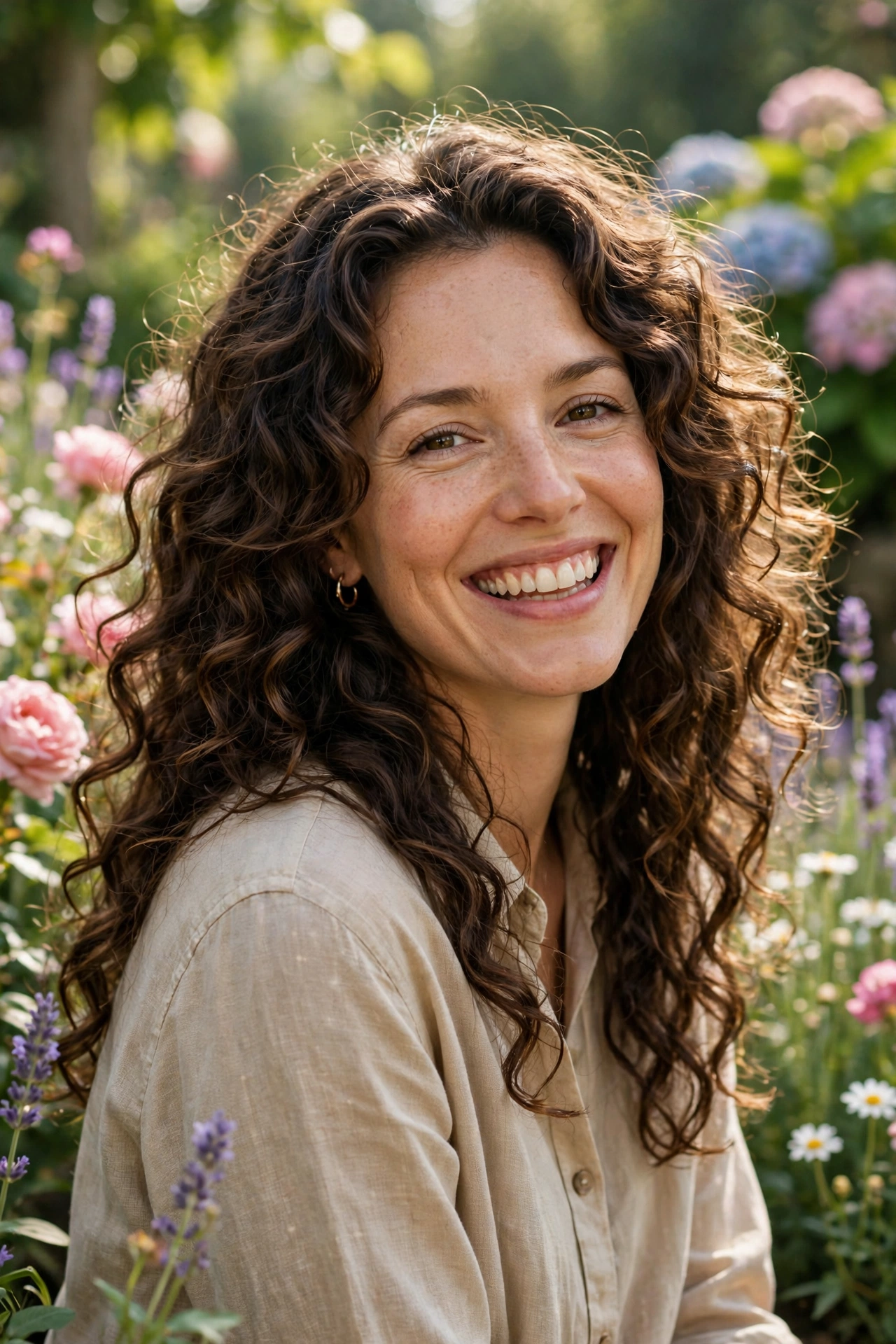
DO: Cut curly hair dry, so the layers fall where the curls land.
DON’T: Cut the layers too short, since curls spring up as they dry.
Curly hair needs layers cut to the curl pattern, not against it. The stylist shapes the layers while the hair is dry so each curl keeps its length, and the layers stop the hair from forming a triangle shape. For more cuts shaped for curls, the long curly hairstyles list covers styles made for curl pattern and volume. The style suits all curl types, and it needs a trim every ten to twelve weeks.
Best for
All curl types
Cut
Dry, to the curl pattern
Upkeep
Trim every 10 to 12 weeks
Wavy Long Layers

Texture: soft waves that bend at the ends and through the lengths.
Movement: layers follow the wave pattern instead of fighting it.
Styling: air dry with a little texture spray, or diffuse for more bend.
Wavy hair takes layers well because the wave gives the cut natural movement. The stylist cuts the layers to follow the wave, so the hair falls in soft S shapes instead of straight lines. The style suits medium and thick wavy hair, and it needs little styling since the wave does the work.
Why waves suit layers
• The wave gives the cut natural movement
• Air dries well with little effort
• Layers stop the waves from bunching
Straight Long Layers

Straight hair shows every layer clearly, so the cut needs clean lines and even blending. Long layers on straight hair add shape without texture, and the layers show as soft steps down the lengths. The style suits fine and medium straight hair, and it looks polished with little styling.
Ask for the layers to blend smoothly, with no harsh lines between them. A flat iron smooths the layers into one shape, and a light serum on the ends keeps them from frizzing. The cut needs a trim every six to eight weeks to hold the clean lines.
Checklist
☐ A flat iron for smooth layers
☐ A light serum for the ends
☐ A trim every six to eight weeks
Highlighted Long Layers
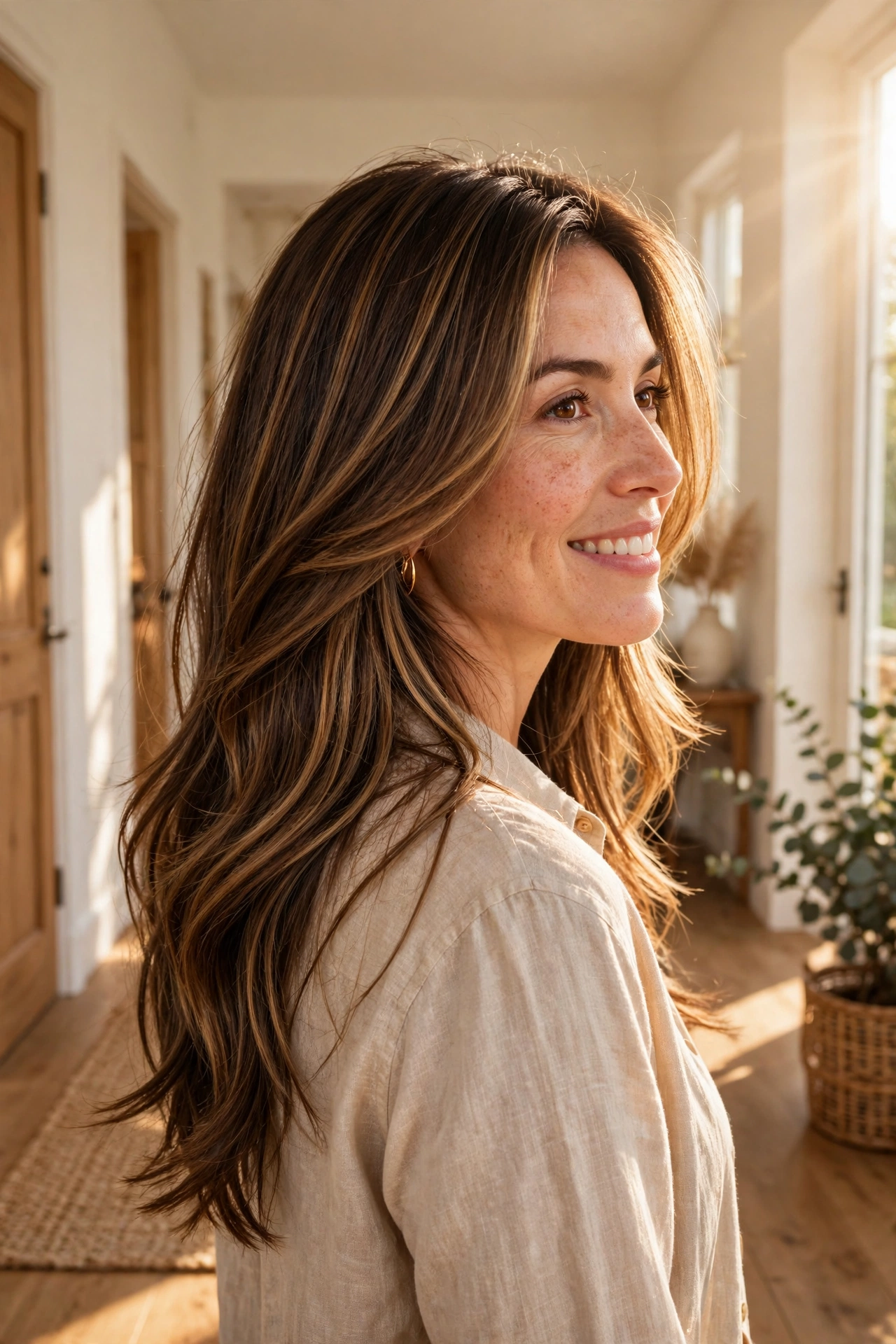
Highlights sit best on long layers because the layers give the color places to land. The lightest pieces fall on the top layers and around the face, and the darker lengths underneath add depth. The style suits warm and cool tones, and it works on straight, wavy and curly hair.
- Place the lightest pieces on the top layer and the face frame.
- Keep the underneath darker for depth.
- Ask for the highlights to blend, not stripe.
The color needs a gloss or toner every six to eight weeks to stay fresh, and the layers keep the grow out soft.
Takeaway: Highlights look best on long layers because the top layers catch the light and the darker lengths add depth.
Balayage Long Layers
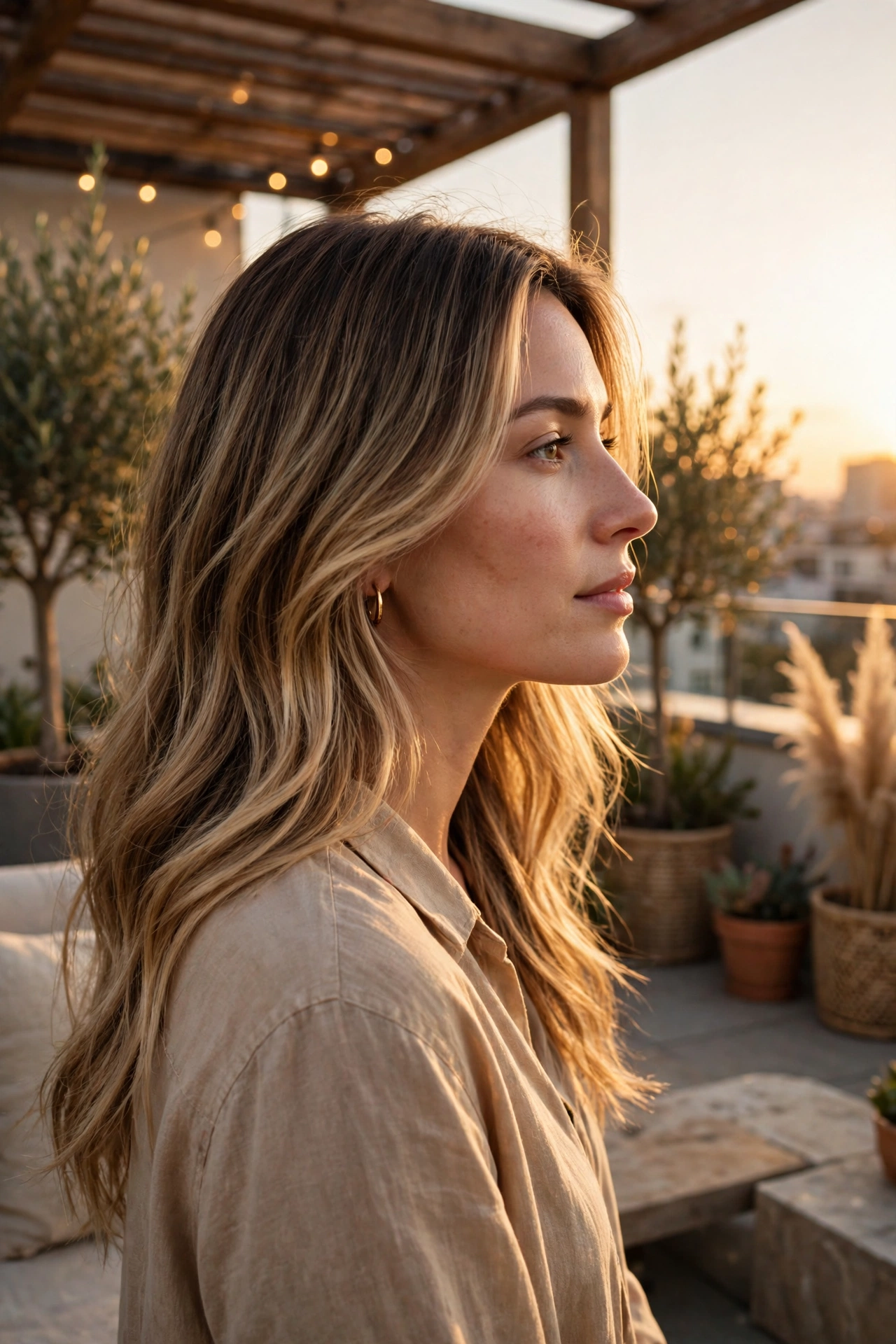
Quick Tip: Ask for the balayage to follow the layer lines, so the color moves with the hair.
Balayage paints lighter color onto the surface of the hair, and long layers give the color a shape to follow. The lightest pieces land on the top layers and the ends, while the roots stay dark, so the grow out stays soft for months. I’ve seen this work best when the balayage follows the layer lines, since the color then moves with the hair instead of sitting apart from it. The style suits wavy and straight hair, and it needs a toner every eight to ten weeks.
The style suits warm and neutral skin tones, since the lighter pieces brighten the face. It also suits anyone who wants color without frequent salon visits, since the soft grow out means months between appointments.
Middle Part Layers

BEFORE: the hair parts anywhere and the layers fall unevenly. AFTER: a neat middle part lines the layers up on both sides.
A middle part splits the hair evenly, and the layers fall in mirror image on each side of the face. The style suits oval faces best, since the symmetry flatters the shape, and it works on straight and wavy hair. It needs the layers to be cut evenly on both sides, so ask the stylist to check the balance before you leave the chair.
BEFORE
Hair parts anywhere, layers fall unevenly
AFTER
Middle part lines the layers up evenly
Deep Side Layers
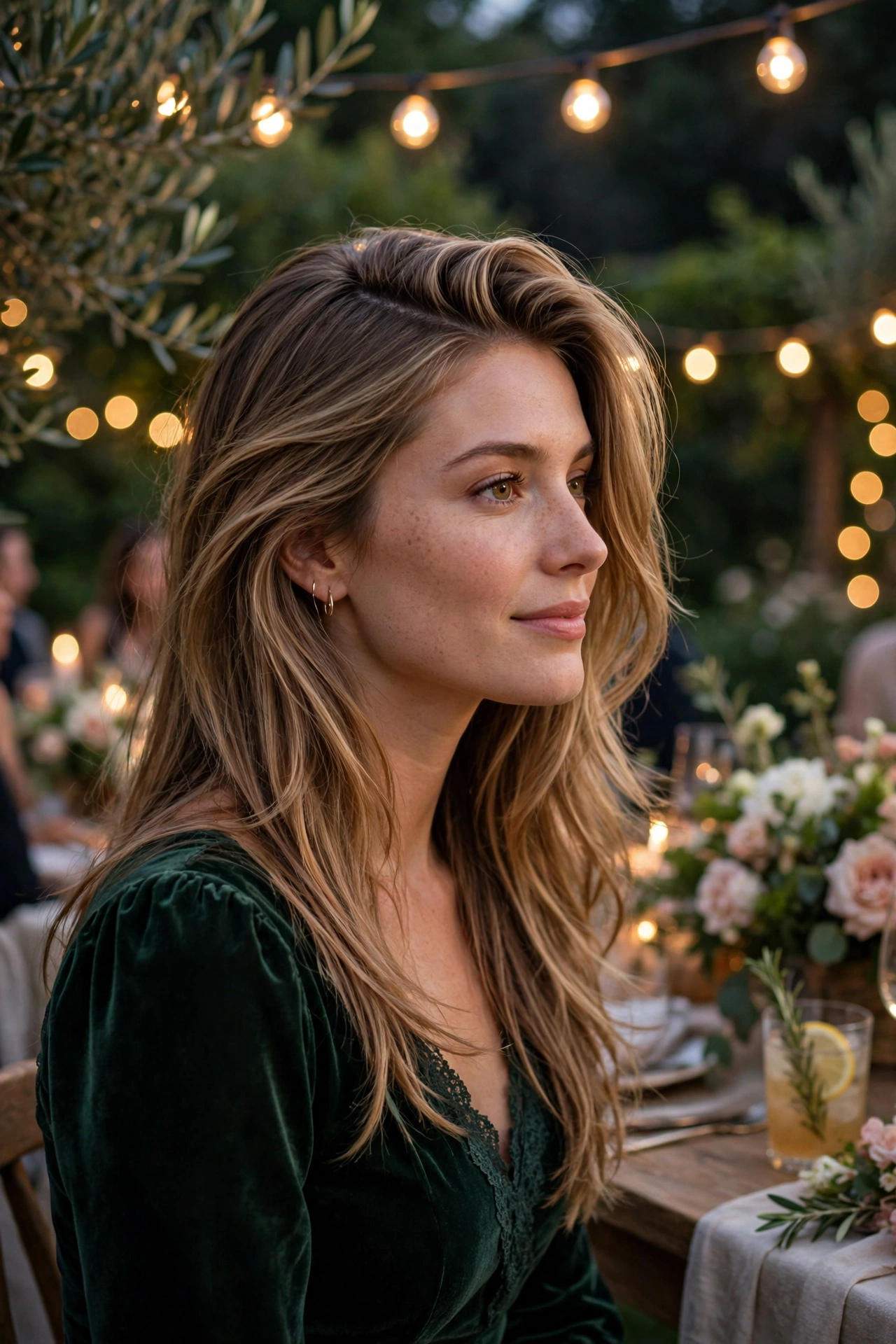
- Part the hair deep on one side while it is damp.
- Sweep the heavy side across the forehead.
- Let the layers on the light side fall behind the ear.
- Set the part with a light hold spray.
A deep side part gives long layers a dramatic sweep, and the layers on the heavy side fall across the face in a soft curtain. The style suits round faces, since the sweep lengthens the face, and it works on straight and wavy hair. It holds best on hair with some texture, since the texture keeps the sweep in place.
The style suits evenings and weddings, since the sweep reads as polished and deliberate. It also suits anyone with a strong jaw, since the curtain across the face softens the line.
DO
Set the part while the hair is damp, so it holds
DON’T
Let the light side fall forward, since it breaks the sweep
Ponytail Ready Layers
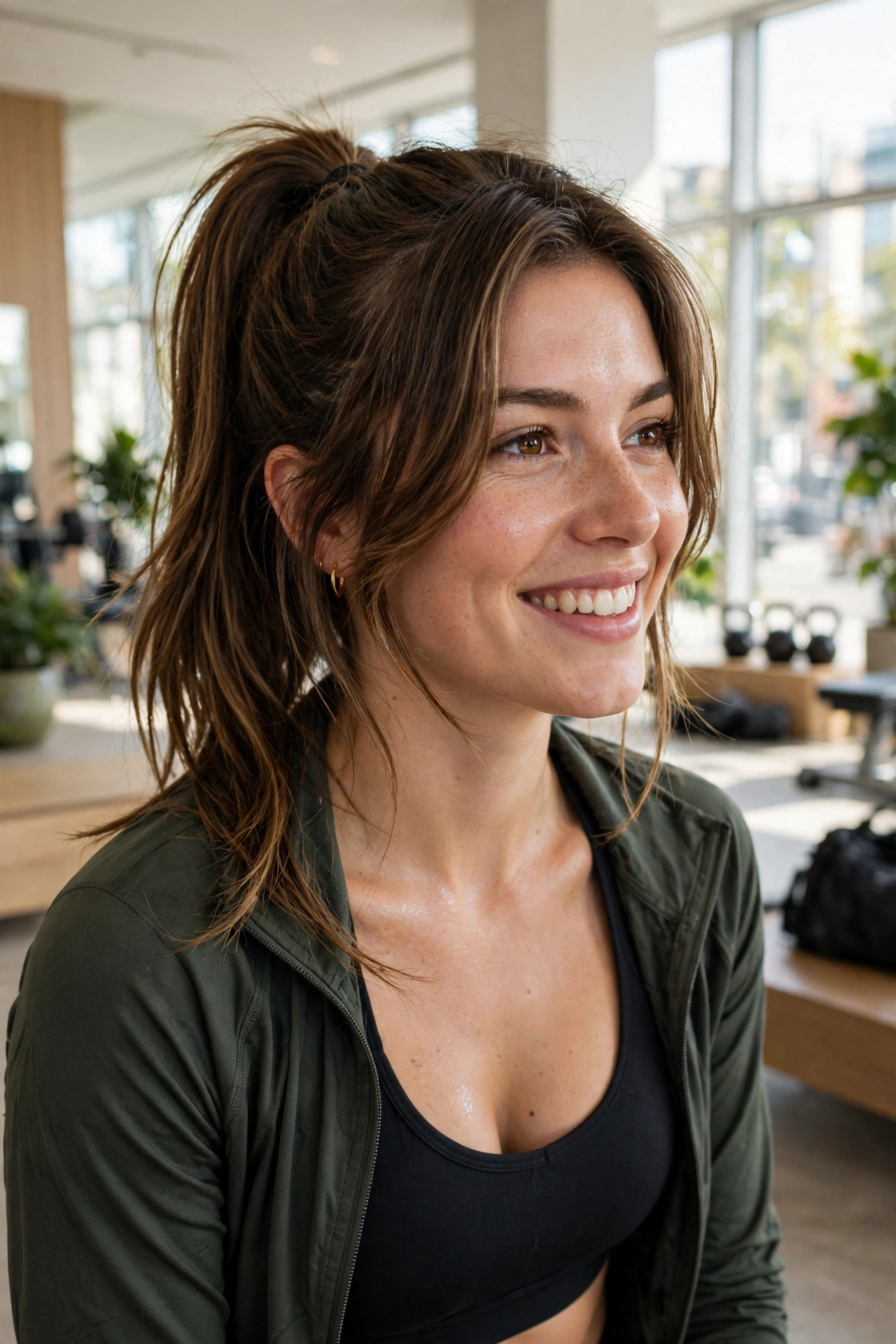
DO: Keep face framing layers out of the ponytail, so they soften the face.
DON’T: Pull the layers too tight, since the ponytail loses its softness.
Long layers make a ponytail look fuller, since the shorter layers add volume at the crown while the longer lengths fill the tail. The style suits thick and medium hair, and it works for workouts, work and evenings out. Tie the ponytail high for lift, or low for a sleek finish, and let the face framing pieces fall loose.
Best for
Thick and medium hair
Height
High for lift, low for sleek
Pieces
Leave face framing layers loose
Bun Friendly Layers

Shape: a loose low bun with soft pieces at the face.
Hold: the layers add grip, so the bun stays put with two pins.
Best for: second-day hair, since the texture holds the bun.
Long layers help a bun hold, since the shorter layers grip each other and the bun stays put without slipping. Gather the hair low, twist it into a coil and pin the coil flat, then pull two face framing pieces loose. The style suits wavy and straight hair, and it works for work, weddings and weekends.
Bun in three moves
• Gather the hair low at the nape
• Twist into a coil and pin flat
• Pull two face pieces loose
Braided Long Layers

A loose side braid shows off long layers, since the braid gathers the lengths and the shorter layers escape around the face. The style suits wavy and straight hair, and it works for casual days, festivals and evenings out. Braid the hair loosely from one side, and pull the braid edges apart for a fuller shape.
The layers keep the braid from looking flat, since the shorter pieces add texture at the crown. A braid also protects the ends on windy days, and it holds well on second-day hair because the texture gives the braid grip.
Takeaway: A loose side braid shows long layers at their best, since the braid gathers the lengths and the shorter pieces add texture.
Ghost Layers
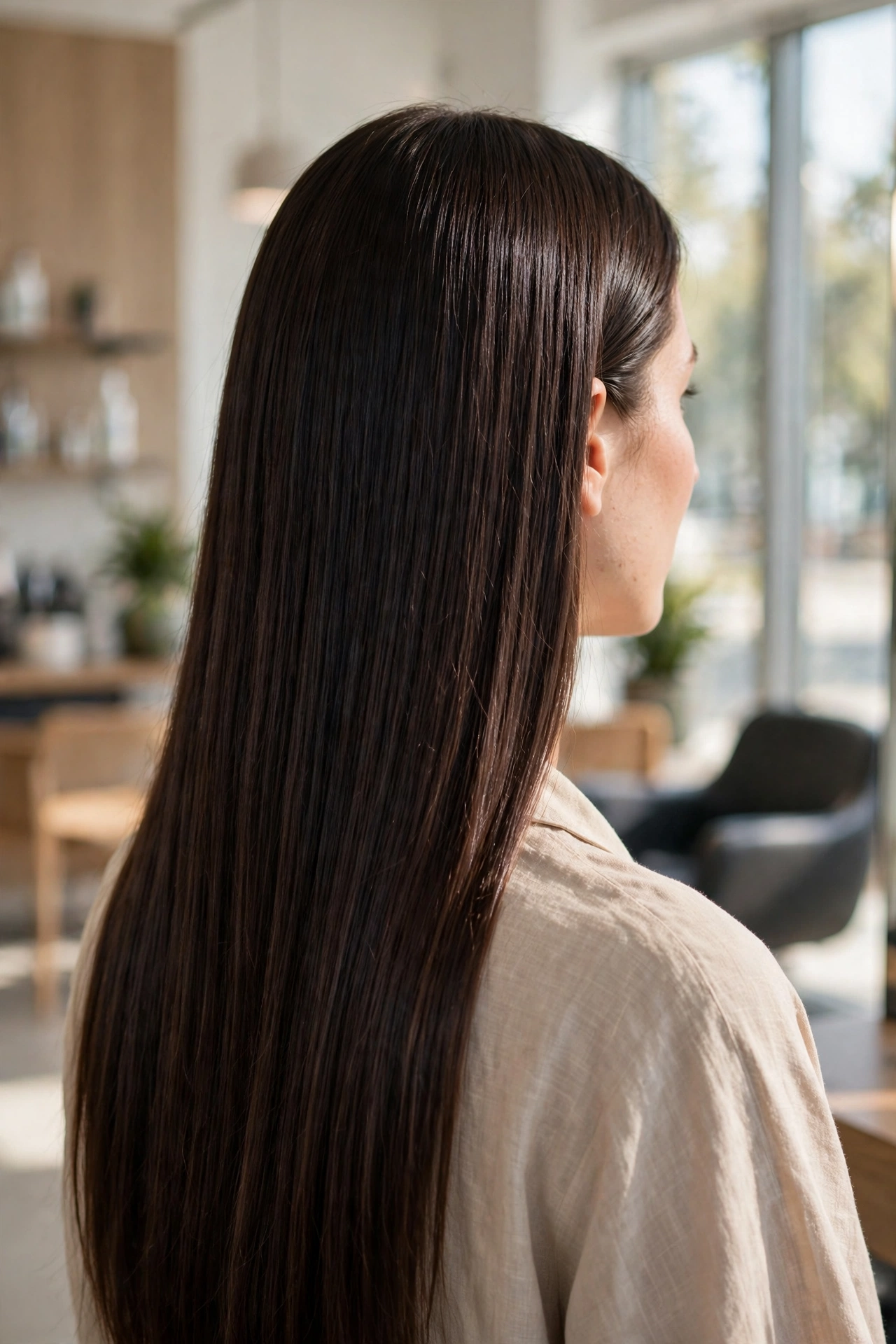
Ghost layers are cut inside the hair, so the surface stays smooth while the interior loses bulk. The stylist lifts sections and cuts short layers underneath the top layer, and the top layer falls over them to hide the steps. The result is hair that moves more freely and feels lighter, with no visible lines or choppy ends. The layers stay hidden when the hair is worn down, and they only show as movement when the hair swings.
Thick hair suits ghost layers best, since the interior layers remove weight without changing the outline. The cut works on straight and wavy hair, and it keeps the length while the hair feels lighter on the shoulders. Ask the stylist to cut the interior layers short enough to remove bulk but long enough to stay hidden under the top layer. A trim every eight to ten weeks keeps the layers even, and the smooth surface holds its shape with little daily styling.
Tip: Tell the stylist you want the layers hidden inside, so the top layer stays smooth and the steps never show.
Swoop Bang Layers
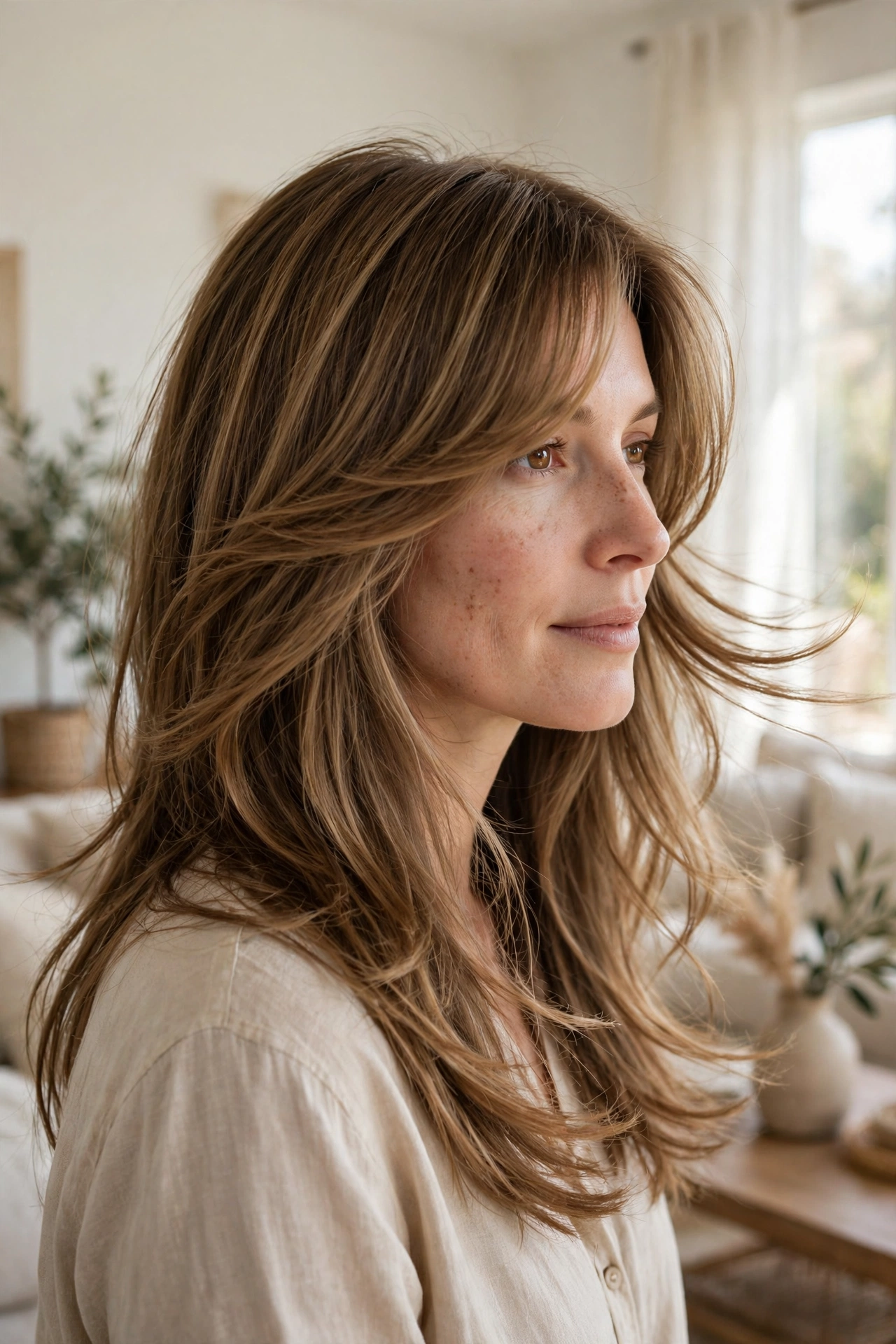
Swoop bangs sweep across the forehead and blend into long layers without a hard edge. The bang starts at one side and falls across to the other, where it meets the face framing pieces. The style suits round and square faces, since the diagonal line lengthens the face and softens a strong jaw.
The bangs need a trim every four to six weeks to hold the sweep, and they sit best blown dry with a round brush. Ask the stylist to cut them long enough to tuck behind the ear, so the style grows out without an awkward stage. The face framing layers should match the bang ends, so the bang and the layers form one line.
A side part sets the sweep in place, and the style suits anyone who wants a fringe without a full straight bang. It also suits anyone growing out a full fringe, since the sweep is the natural next step as the bangs lengthen.
DO
Cut the bangs long enough to tuck behind the ear, so the sweep grows out cleanly
DON’T
Cut the bangs short and straight across, since the sweep needs length to curve
Final Thoughts
Long layered haircuts work because they keep the length and fix the shape. The right version depends on your hair type, your part and how much styling time you have in the morning, so pick the idea that matches your routine rather than the one that looks best in a photo. Bring a photo to your stylist, point to the layers you want, and ask how the cut will grow out. Save this list for the next time you sit in the salon chair, and come back to it when your layers need a refresh.
Frequently Asked Questions
How often do long layers need a trim?
Every six to ten weeks, depending on your hair type. Fine hair needs a trim every six to eight weeks to hold the shape, while thick and curly hair can go ten to twelve weeks. The ends tell you when it is time: if they look thin or split, book the trim.
Do long layers suit fine hair?
Yes, when the layers stay long and few. Long layers add movement without removing weight from the ends, so fine hair keeps its fullness. Ask for layers that start below the chin and avoid short layers through the lengths.
Can long layers work on curly hair?
Yes, and they help curls most. Layers stop curly hair from forming a wide triangle shape, and they let each curl keep its length. Ask for the cut to be done dry, so the layers fall where the curls land.
What should I ask for at the salon for long layers?
Bring a photo of the version you want, and point to where the shortest layer should start. Tell the stylist your hair type, your part and how much time you spend styling in the morning, so the cut matches your routine.
Do long layers make hair look thinner?
They can if the layers are cut too short or too many, since each short layer removes weight. Long layers that start below the chin and stay few in number add movement without thinning the ends.