
Butterfly Bob Haircuts: 25 Airy Layered Looks to Show Your Stylist
Why Butterfly Bobs Work
The butterfly bob haircuts taking over salons right now keep everything at bob length while borrowing the airy, feathered layering that made long butterfly cuts famous. The difference matters: long butterfly layers fall past the shoulders, but this cut stops at the chin, jaw, or collarbone, so the layers lift and move instead of weighing hair down. Short layers around the crown build volume, longer pieces around the face keep the shape soft, and the ends stay light enough to swing. The 25 versions below cover fine, thick, wavy, and curly hair, short and medium lengths, and finishes from sleek to tousled. Read with your hair type and morning routine in mind, then take your favorite photo to your stylist.
Soft Airy Butterfly Bob

A soft, airy bob keeps its length near the chin while layers through the mid-lengths let air move through the cut. The ends feather out instead of sitting in a heavy line, so the shape looks light even on straight hair. It suits oval and heart face shapes best, and the soft outline flatters a strong jawline without hiding it.
Ask your stylist for long, soft layers and a clean chin-length outline. Styling takes only minutes with a round brush, and trims every eight weeks keep the feathered ends fresh.
Feathered Butterfly Bob
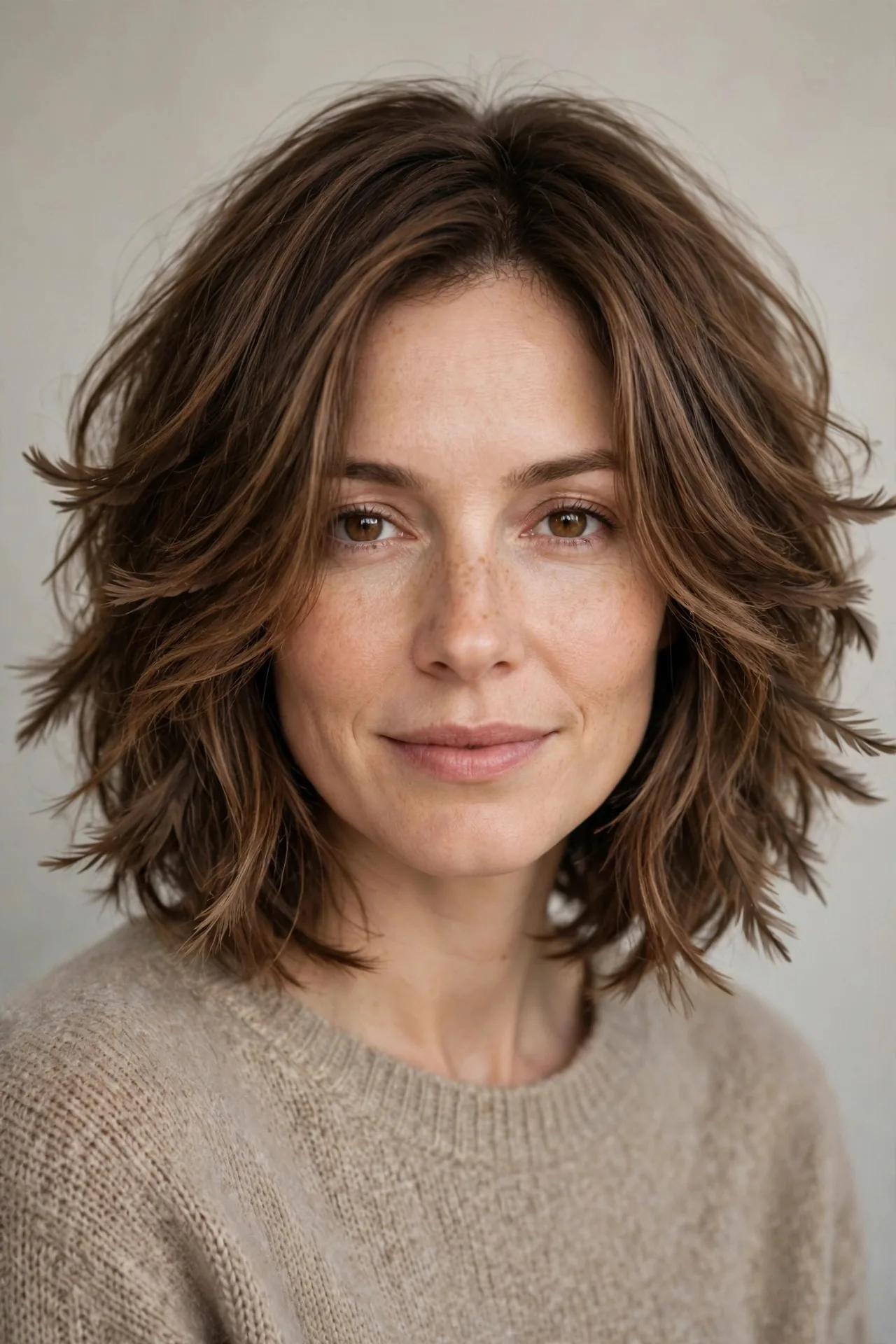
- Feathered ends break up a bob-length cut so the layers look soft instead of chunky.
- Layers start at the cheekbones and fall through the ends, giving movement without losing length.
- A center or side part both work, since the feathering follows the part line.
- A light texturizing spray finishes the look without stiffening the layers.
Feathered butterfly layers suit medium and thick hair best, because the feathering removes weight that would otherwise drag the shape down. Oval, long, and heart face shapes carry it well, and the cut air dries nicely on wavy hair. A trim every seven weeks keeps the feathered ends from turning ragged.
Curly Butterfly Bob
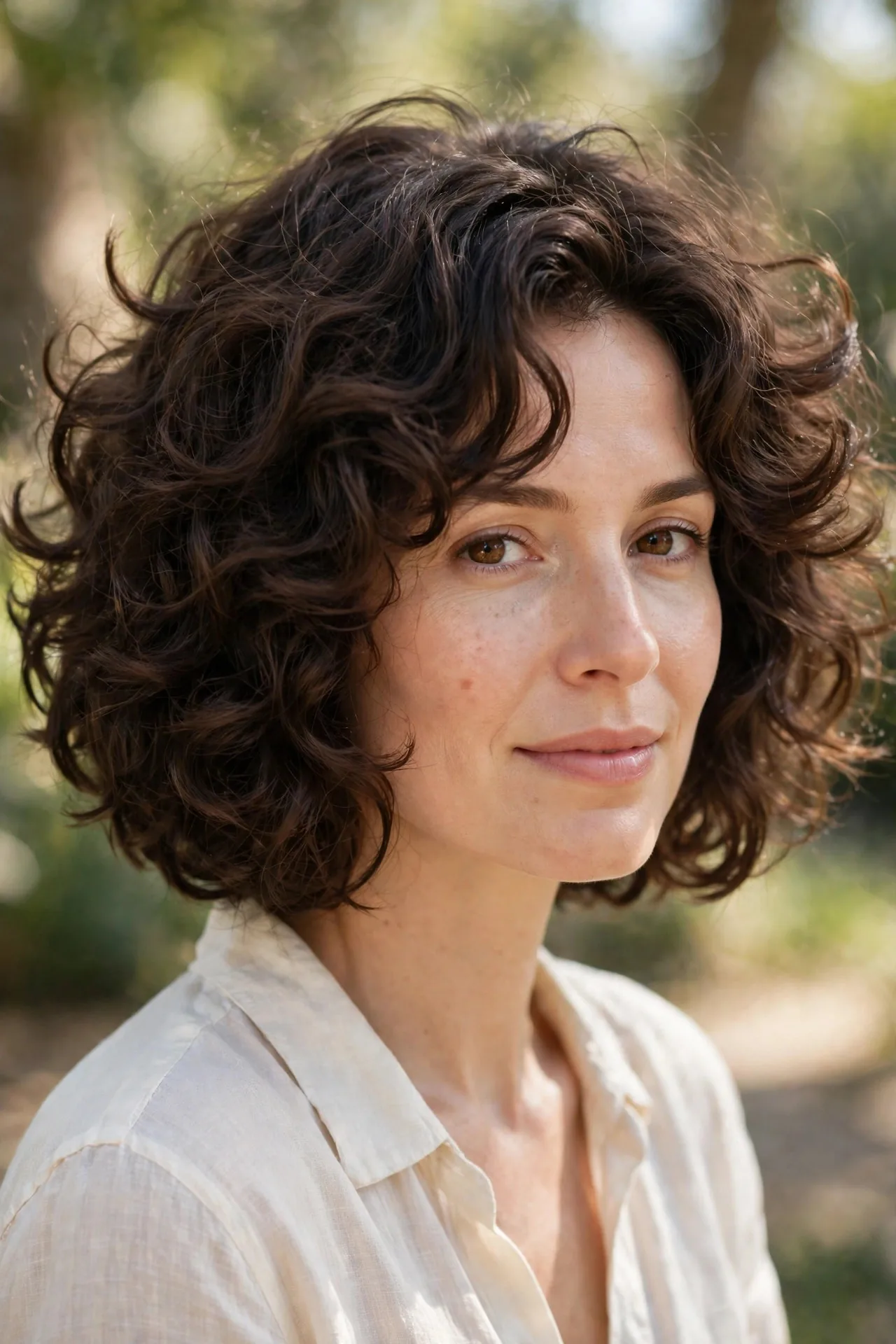
Quick Tip: Ask for a dry cut with curls in their natural state, not stretched straight. Layers cut on wet, straightened curls spring up shorter than planned, and the bob turns out uneven once the curls dry.
A rounded curly bob with butterfly layers suits naturally curly and coily hair at jaw to shoulder length. The layers remove bulk from the bottom while keeping volume at the crown, so curls bounce instead of forming a triangle. Curl cream and minimal heat keep the shape defined between cuts.
Butterfly Blowout Bob
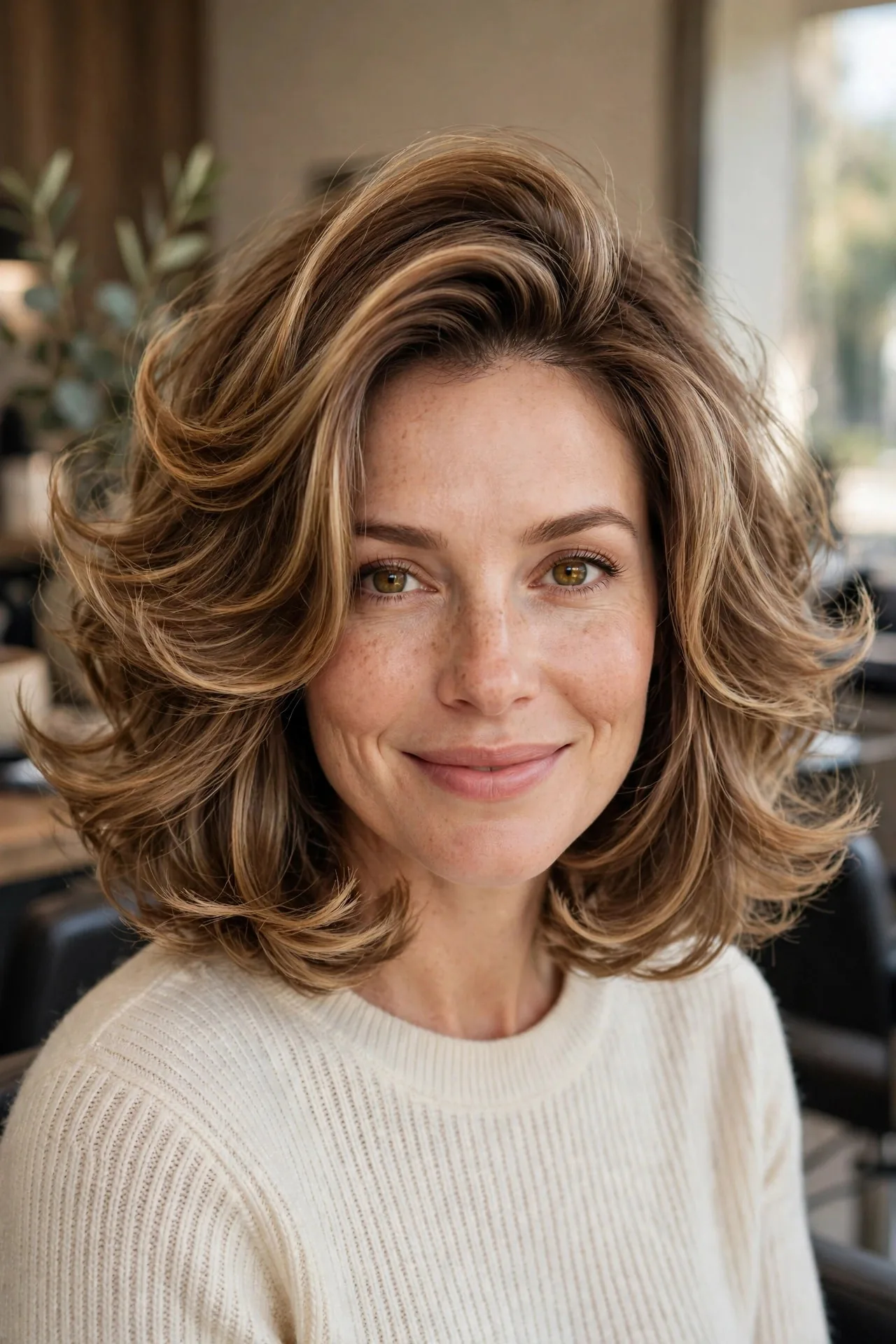
BEFORE: A one-length bob on straight hair can look heavy at the bottom and flat at the crown, with no shape to guide the eye. The hair hangs in a single sheet, and the face gets lost behind it.
AFTER: A blowout bob stacks soft butterfly layers through the crown and lets the front fall longer, so the cut gains bounce and a rounded outline. The crown lifts, the ends curve under, and the whole style reads polished and full.
Blowout layers suit straight and lightly wavy hair best, since smooth hair shows the rounded shape clearly. Round and oval faces carry it well, and the bouncy finish lasts between washes with a light volumizing spray. A trim every six weeks keeps the layers springy instead of flat.
Wavy Butterfly Bob
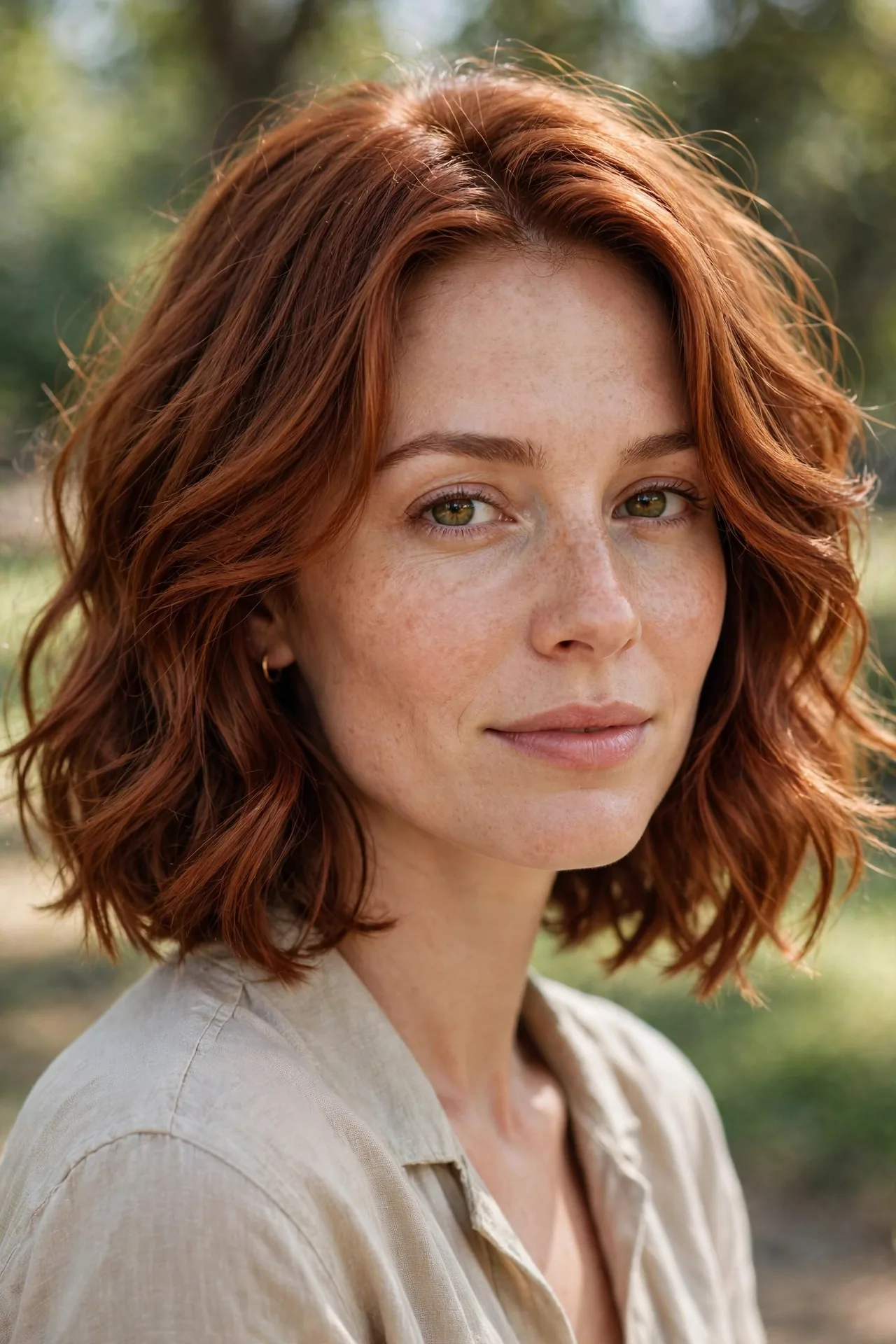
- Ask for long butterfly layers starting at the cheekbones so waves can form without losing bob length.
- Choose a length between the jaw and the shoulders, where waves have room to move.
- Scrunch in a curl cream while the hair is damp, then let it air dry or diffuse on low heat.
- Shake the waves loose with your fingers instead of brushing, which breaks the pattern apart.
Wavy butterfly layers suit naturally wavy and lightly curly hair best, since the layers shape waves that already exist. Oval and long faces carry it well, and the cut needs little heat to look finished. A trim every eight weeks keeps the waves bouncy instead of weighed down.
Textured Butterfly Bob

| Textured layers | Blunt ends | |
|---|---|---|
| Movement | Ends flick and separate freely | Ends sit heavy and still |
| Best for | Medium to thick hair that needs lightness | Fine hair that needs a solid outline |
| Styling | Air dries with natural texture | Needs heat to hold shape |
Textured butterfly layers suit medium to thick straight and wavy hair, since the texture removes bulk while keeping the bob outline. Square and oval faces carry it well, and the piecey finish hides grown-out roots between appointments. A trim every six weeks keeps the texture sharp instead of shaggy.
Curtain Bangs Butterfly Bob

- Do ask for the shortest layers at the cheekbones so the face opens up.
- Do keep the back longer than the front layers to hold the bob shape.
- Do show your stylist how you part your hair, since the curtain bangs follow the part.
- Don’t cut the front layers above the cheekbones unless you want a bold, short fringe effect.
- Don’t layer the back as short as the front, or the bob loses its outline.
- Don’t skip styling the front pieces, since they carry the whole look.
Curtain bangs with butterfly layers suit oval, round, and heart faces, since the parted fringe softens the forehead and frames the cheekbones. Straight and wavy hair hold the parted shape best, and the cut grows out gracefully into longer layers. A trim every six weeks keeps the fringe at cheekbone length.
Chin-Length Butterfly Bob
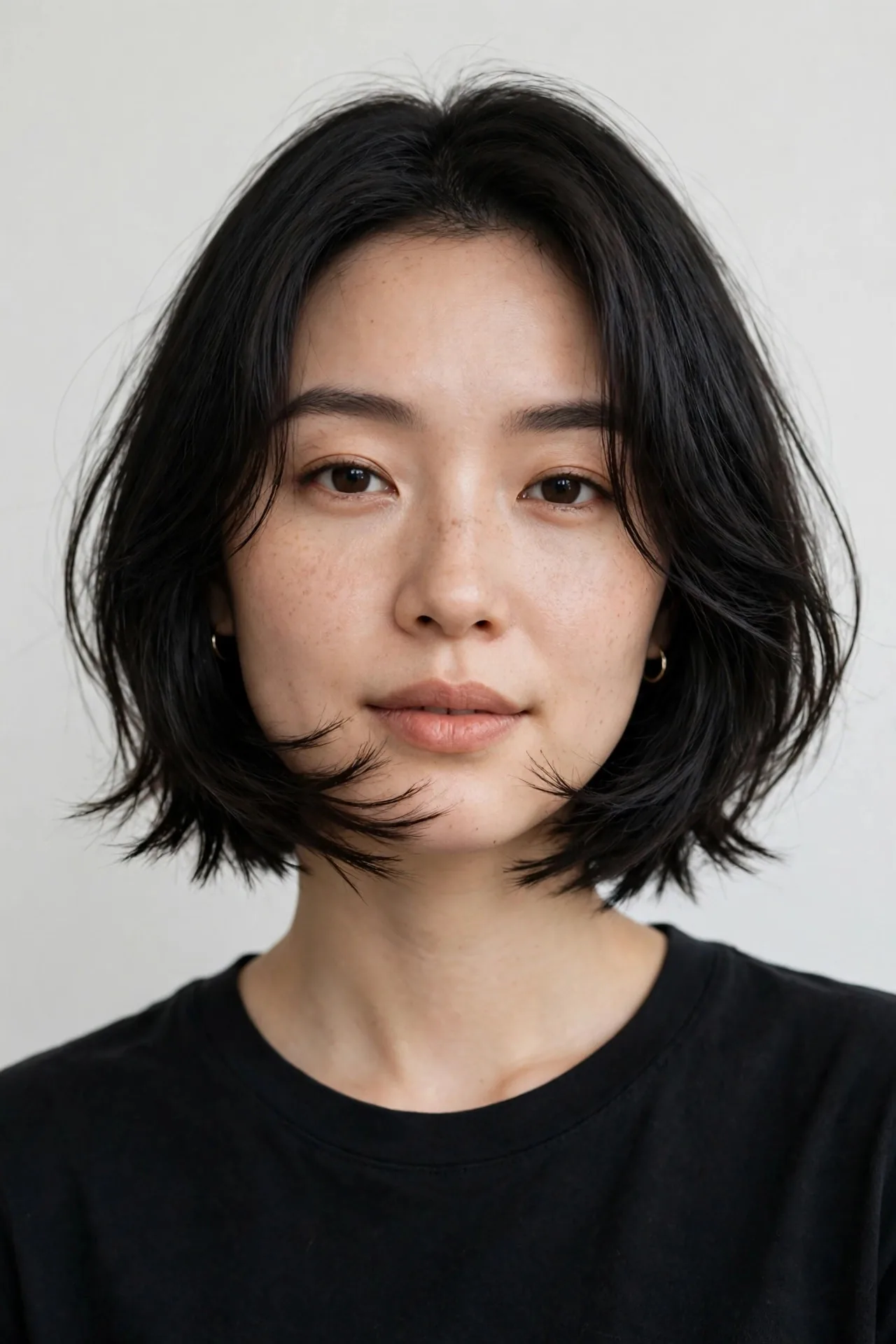
Best For: Straight and wavy hair, oval and heart face shapes | Length: Chin length, layers from the cheekbones | Upkeep: Trims every five to six weeks | Styling: Round brush or air dry
A chin-length butterfly bob puts the focus on the jawline and neck, so good posture becomes part of the style. The short length keeps morning styling fast, and the butterfly layers stop the cut from looking boxy. Fine to medium hair holds the shape best, since curls spring shorter than planned.
Collarbone Butterfly Bob
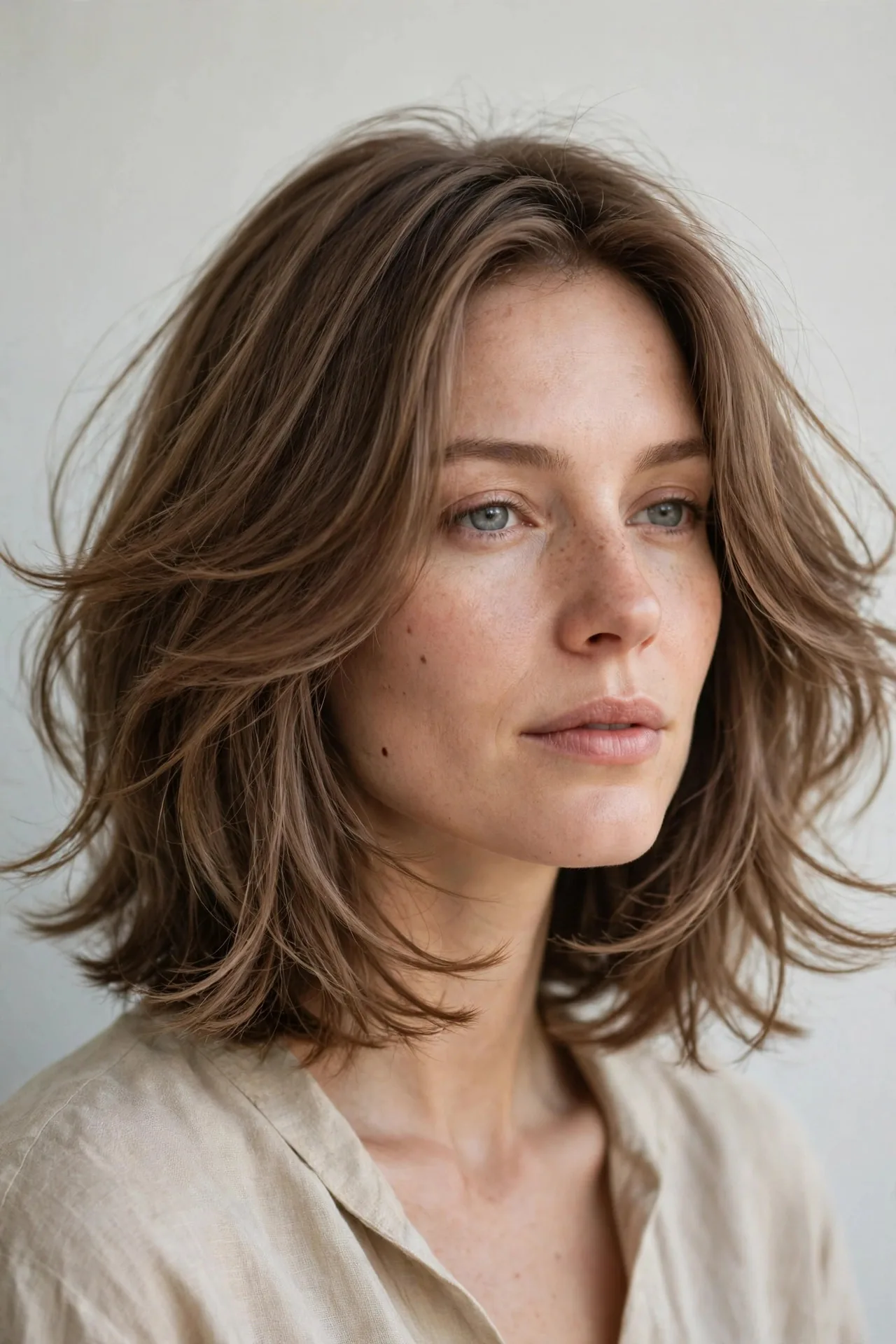
Collarbone length gives butterfly layers room to fall, with long pieces that move when you walk. The layers start below the chin, so the cut keeps its length while gaining shape. It suits almost every face shape, since the length softens the jawline without hiding it.
Ask your stylist for long layers through the ends and lighter layering near the crown. Straight, wavy, and lightly curly hair all work, and styling takes minutes with a round brush or a flat iron. Trims every eight weeks keep the ends fresh and full.
Sleek Butterfly Bob
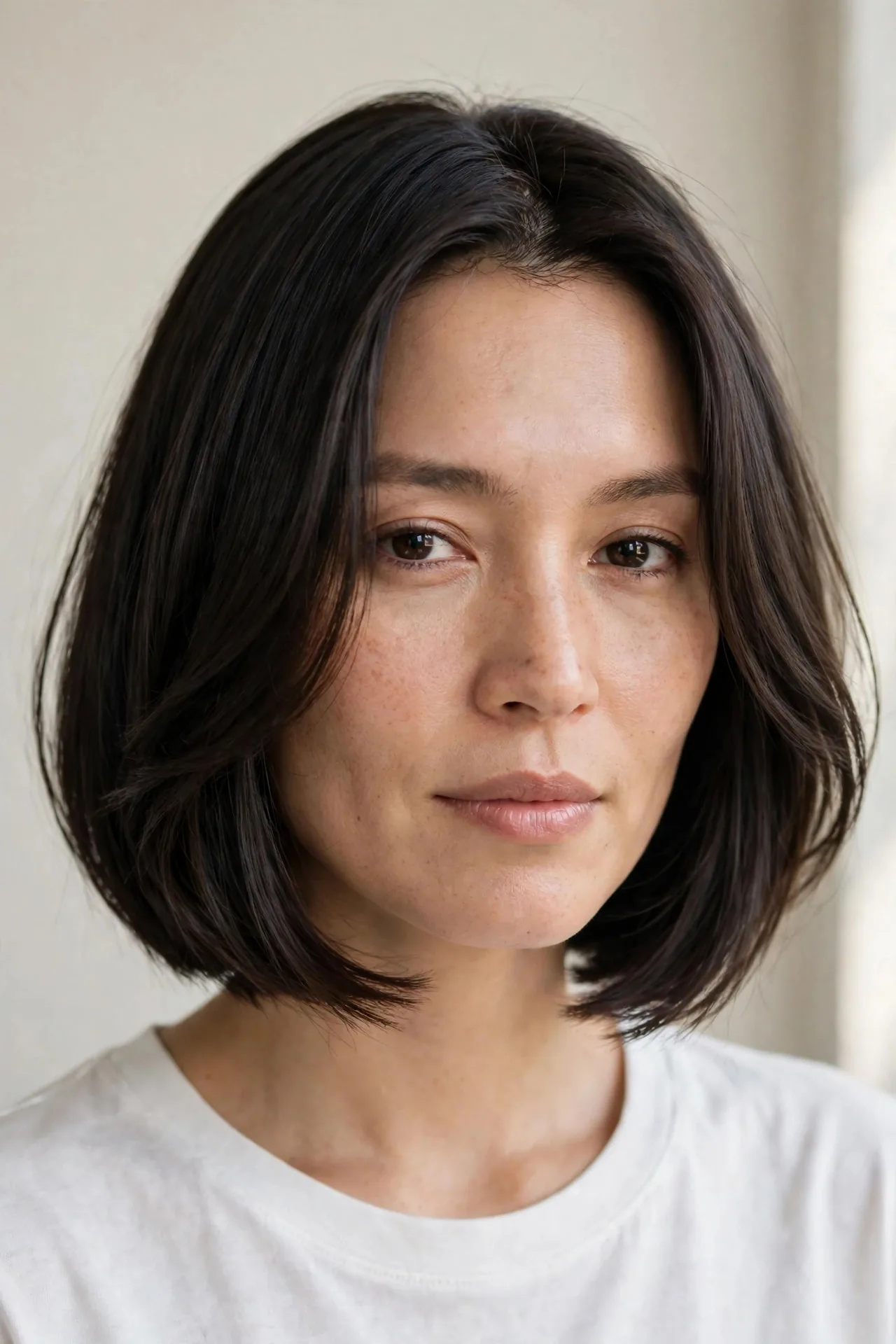
- Sleek butterfly layers hide inside a smooth outline, so the cut looks polished but still moves.
- A flat iron pass on the ends gives a glossy finish in minutes.
- A center part shows the symmetry of the layers best.
- Serum on the mid-lengths adds shine without weighing the layers down.
Sleek butterfly layers suit straight hair best, since smooth strands show the hidden layering clearly. Oval and long faces carry it well, and the polished finish works for office days and evenings alike. A trim every six weeks keeps the outline sharp instead of fuzzy.
Butterfly Bob for Thick Hair
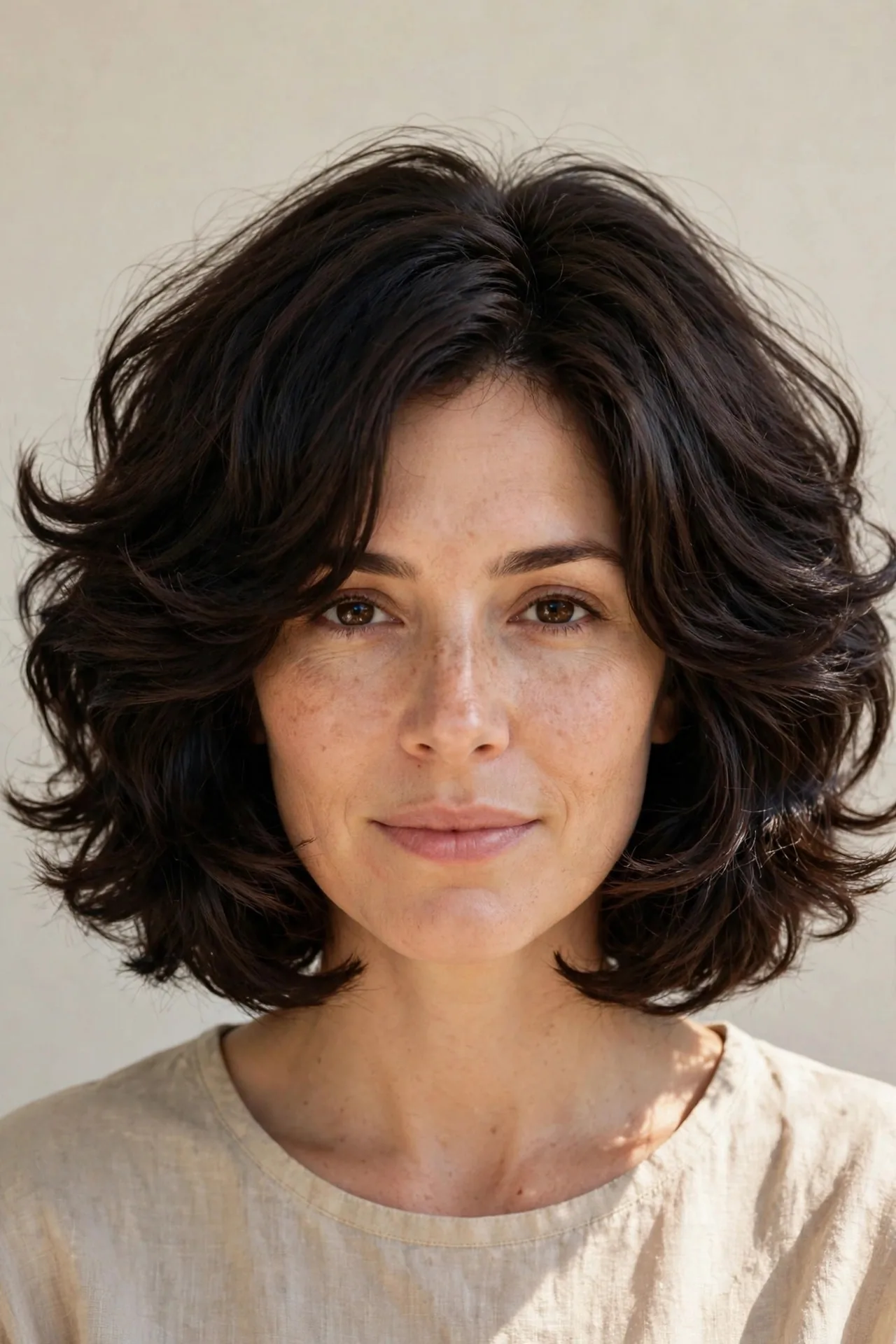
Quick Tip: Ask about internal layers before the cut starts, since removing bulk mid-cut is easier than fixing a heavy shape after. Internal layers thin the hair from inside while keeping the outline intact.
Thick hair benefits most from butterfly layers, because the layering removes weight that would otherwise drag the bob downward. In my experience, thick hair holds this shape for weeks without collapsing, since the layers keep air moving through the cut. Ask for weight removal, not length, and the bob feels lighter from the first wash.
Butterfly Bob for Fine Hair
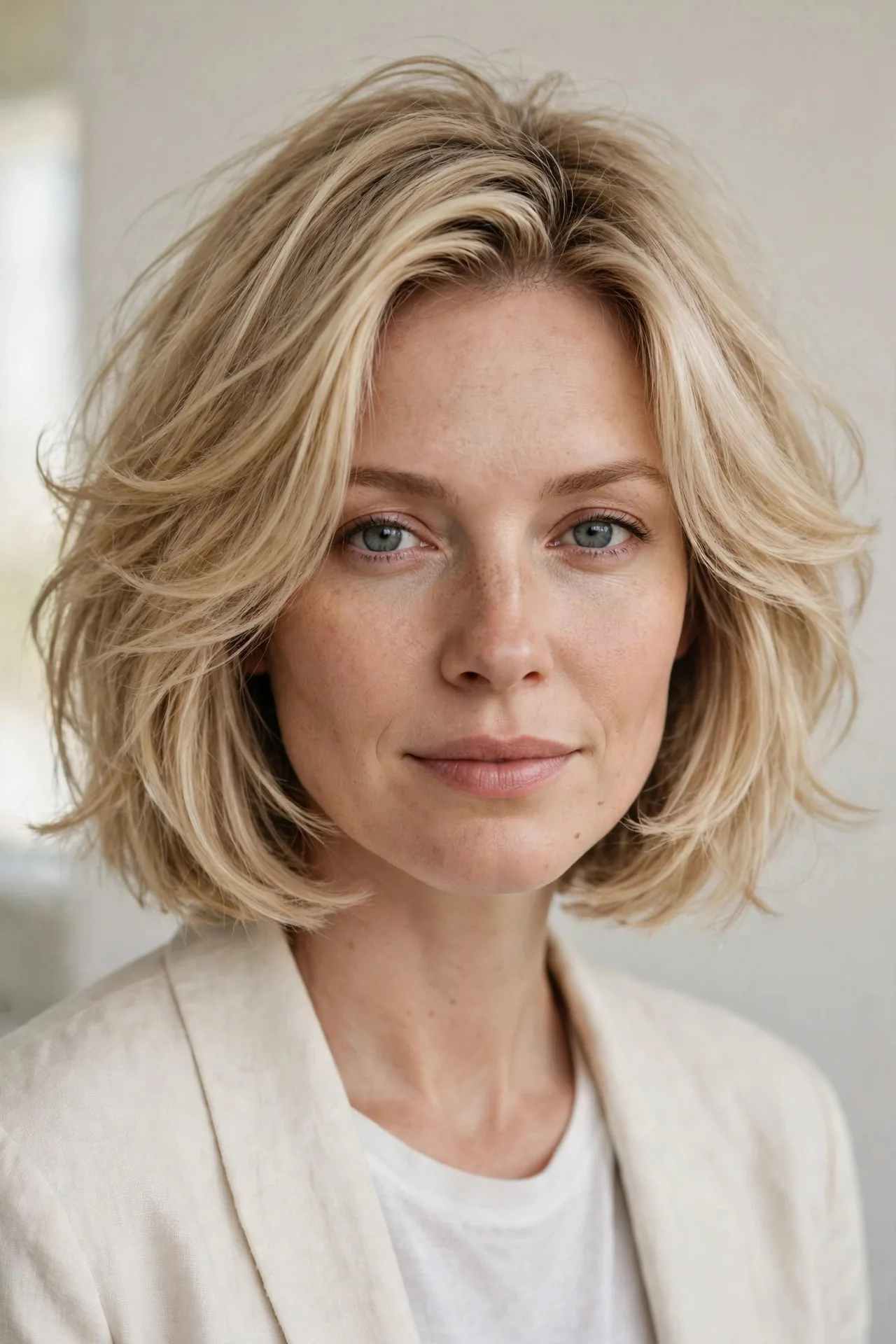
BEFORE: A one-length bob on fine hair can look thin and flat, with ends that swing as one limp sheet and no lift at the crown. The cut shows every gap in density, and styling falls flat within hours.
AFTER: Butterfly layers through the crown and mid-lengths create lift and separation, so fine hair looks fuller from every angle. The ends gain movement, the crown gains height, and the bob holds its shape past wash day.
Fine hair needs light, long layers rather than short choppy ones, since heavy layering thins the ends further. Oval and heart faces suit it well, and a volumizing mousse at the roots helps the lift last. A trim every six weeks keeps the layers full instead of wispy.
Side-Part Butterfly Bob

- Ask for a deep side part with shorter layers on the fuller side so the volume sits where the part lifts.
- Keep the bob at jaw to shoulder length, giving the part room to shape the front.
- Blow dry the roots upward on the fuller side for lift that lasts all day.
- Finish with a light hold spray, keeping the layers soft rather than stiff.
A side part suits round and square faces well, since the diagonal line breaks up symmetry and draws the eye upward. Straight and wavy hair hold the part best, and the cut works with or without bangs. A trim every seven weeks keeps the parted shape crisp.
Center-Part Butterfly Bob
| Center part | Side part | |
|---|---|---|
| Symmetry | Balanced on both sides | Volume on one side |
| Best for | Oval and long faces | Round and square faces |
| Styling | Needs even drying both sides | Faster on the fuller side |
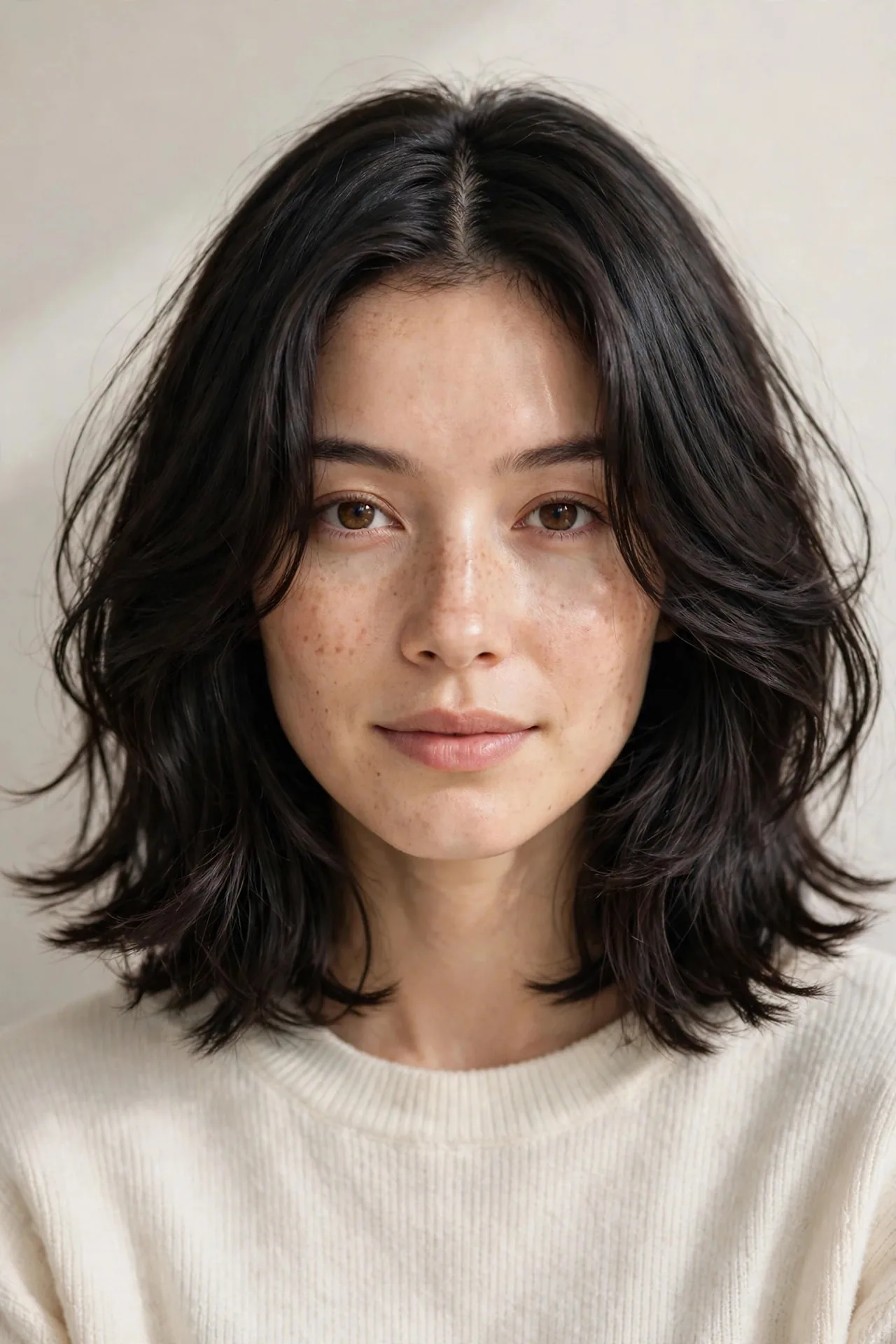
A center part shows butterfly layers at their most even, since both sides mirror each other. Oval and long faces carry it best, and straight hair holds the clean part line longest. The cut suits a polished daily look, and a trim every six weeks keeps both sides level.
Butterfly Bob With Bangs

- Do ask for soft bangs that blend into the face-framing layers instead of sitting apart from them.
- Do choose a bang length that hits at the eyebrows, so it grows out into the layers gracefully.
- Do keep the bob at jaw to shoulder length, giving the bangs room to blend.
- Don’t cut the bangs too short, or they stand apart from the layers.
- Don’t skip bang trims between full cuts, or the fringe falls into your eyes.
- Don’t pair heavy blunt bangs with heavy layers, since the combination hides the face.
Butterfly layers with bangs suit oval and long faces well, since the fringe shortens the forehead while the layers keep the sides soft. Straight and lightly wavy hair hold the blended shape best. A bang trim every three weeks keeps the fringe at eyebrow length.
Choppy Butterfly Bob
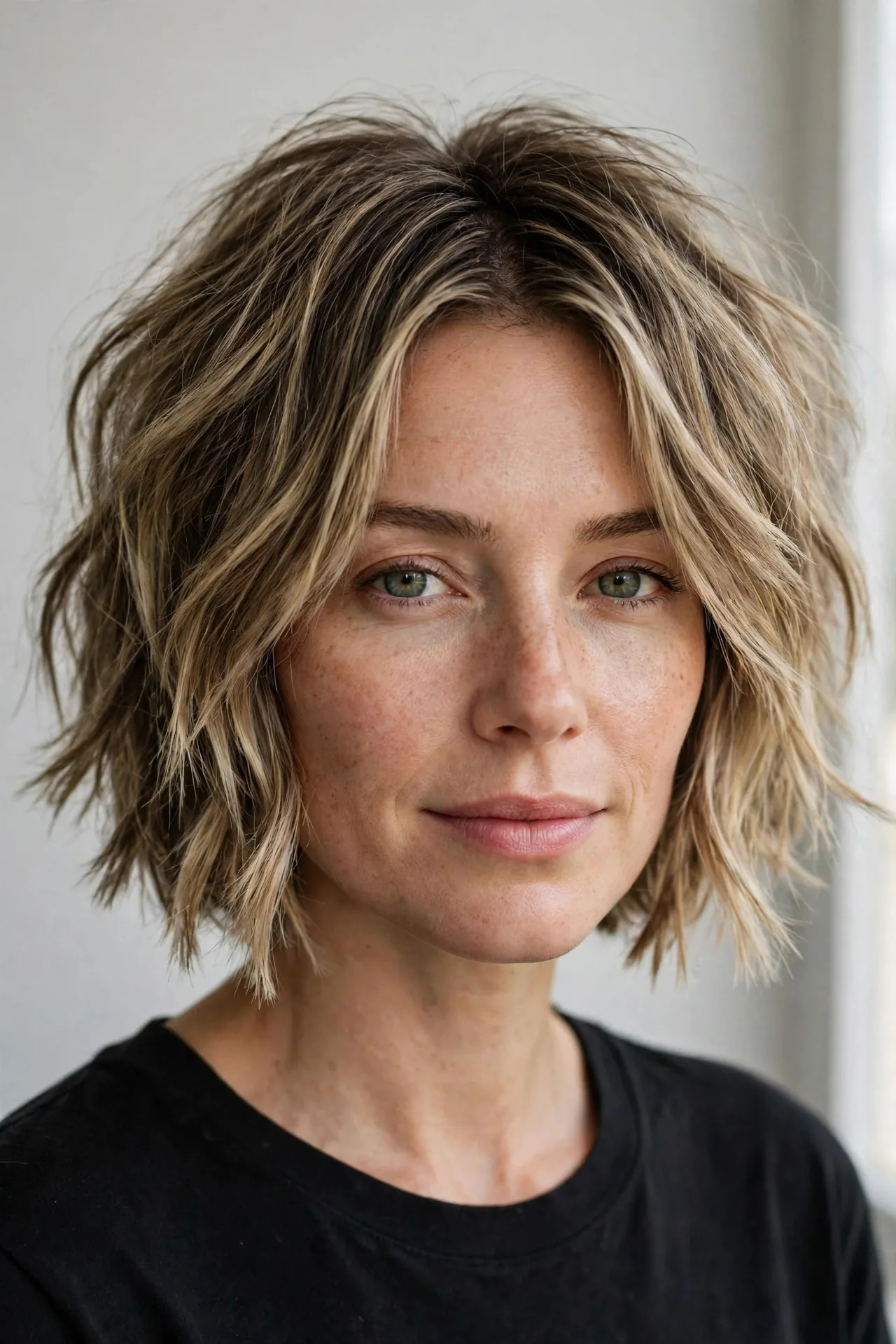
Best For: Medium to thick hair, oval and heart faces | Length: Jaw to shoulder | Texture: Piecey, with separation | Upkeep: Trims every six weeks
Choppy butterfly ends break up a bob so the layers read bold instead of soft. The piecey separation catches light and adds edge, which suits anyone who wants a bob with attitude. Medium to thick hair holds the choppy shape best, and texture cream keeps the pieces defined.
Grown-Out Butterfly Bob
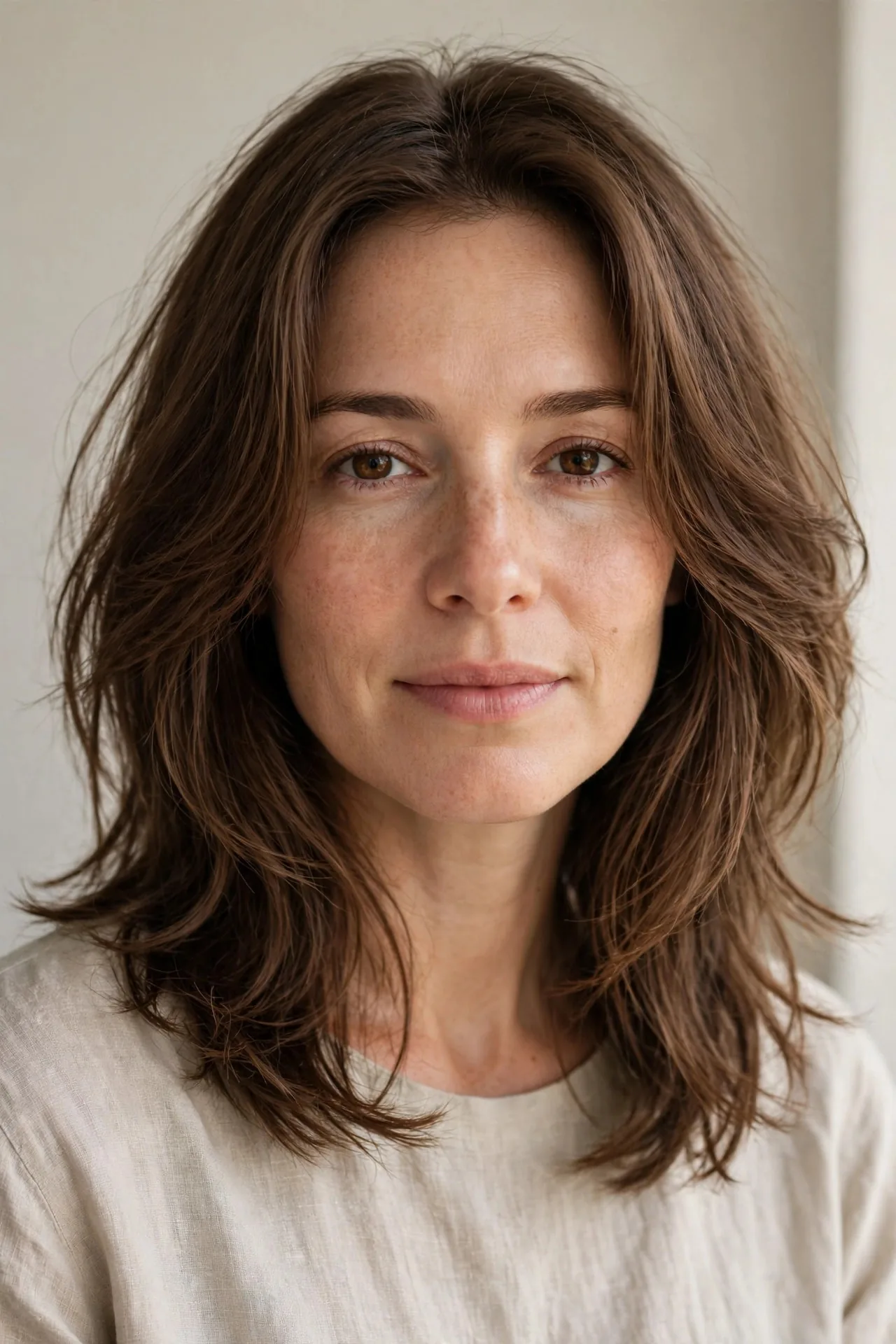
Past the jaw, a grown-out butterfly bob settles into a relaxed shape, keeping its bob outline while the layers loosen. The style looks lived in rather than freshly done, which suits anyone growing out a shorter bob without losing shape along the way. The longer length also makes half-up styles easy.
Ask your stylist to dust the ends only, keeping the length while refreshing the layers. Wavy and straight hair both carry it well, and a light cream tames flyaways without stiffening the shape. Trims every ten weeks suit this relaxed length.
Voluminous Crown Butterfly Bob
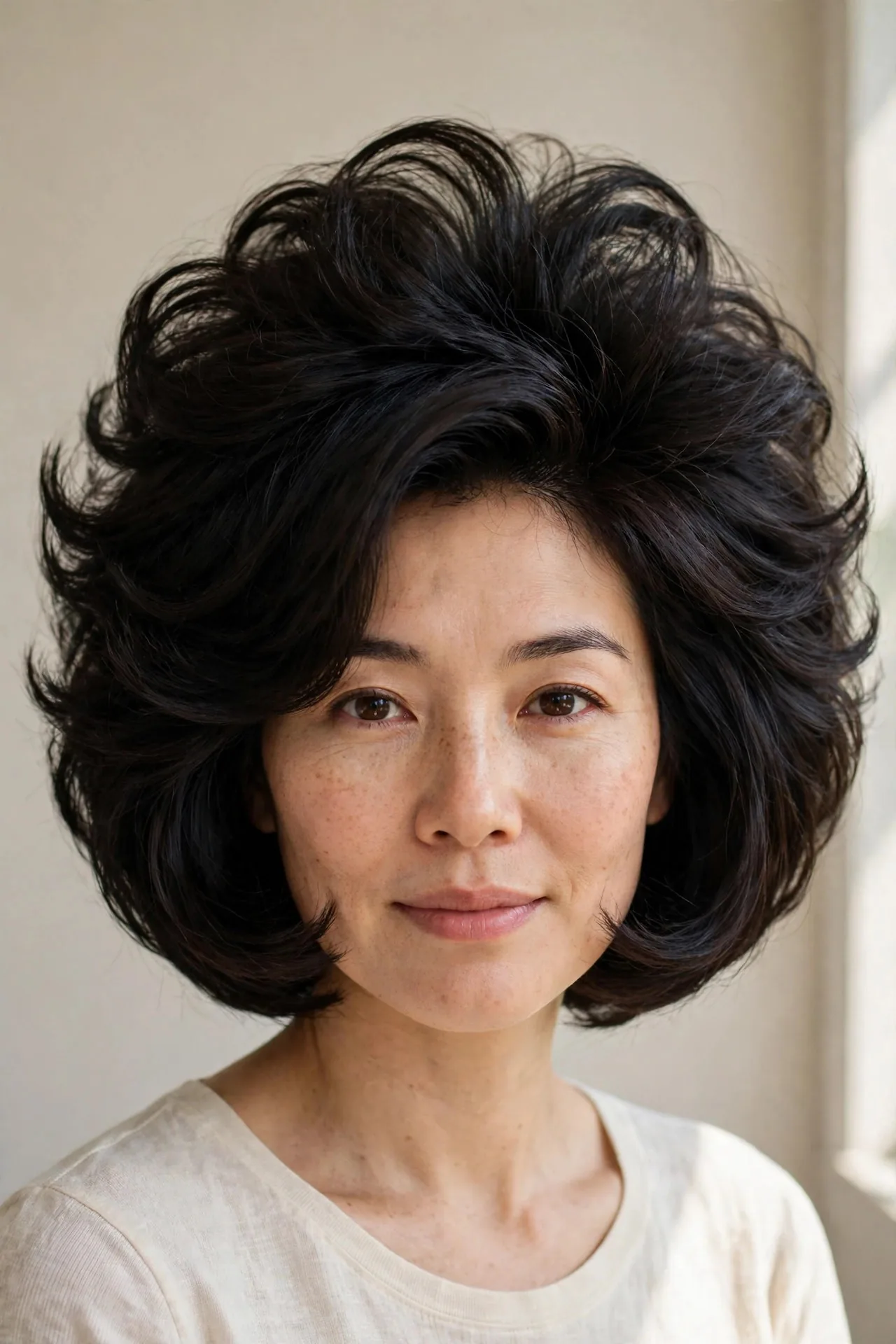
- Crown layers stack short at the back, building height where flat hair needs it most.
- The front stays longer, so the volume never turns the bob into a round ball.
- A round brush and a volumizing mousse at the roots hold the lift all day.
- Backcombing is rarely needed, since the layers create the height on their own.
Crown volume suits fine and medium hair best, since the stacked layers fake fullness that blunt ends cannot. Oval and long faces carry it well, and the height balances a longer neck. A trim every six weeks keeps the crown neatly stacked instead of collapsing.
Face-Framing Butterfly Bob

Quick Tip: Part your hair the way you wear it daily before the cut starts, since face-framing layers follow the part line. A layer placed for a center part falls wrong on a side part, and the framing loses its effect.
Face-framing butterfly layers suit every face shape, because the shortest pieces sit where they flatter most. I’ve noticed this version gets the most compliments in the first week after a cut, since the framing changes how the face reads. Ask for the shortest layers at the cheekbones, keeping the back longer.
Tousled Butterfly Bob
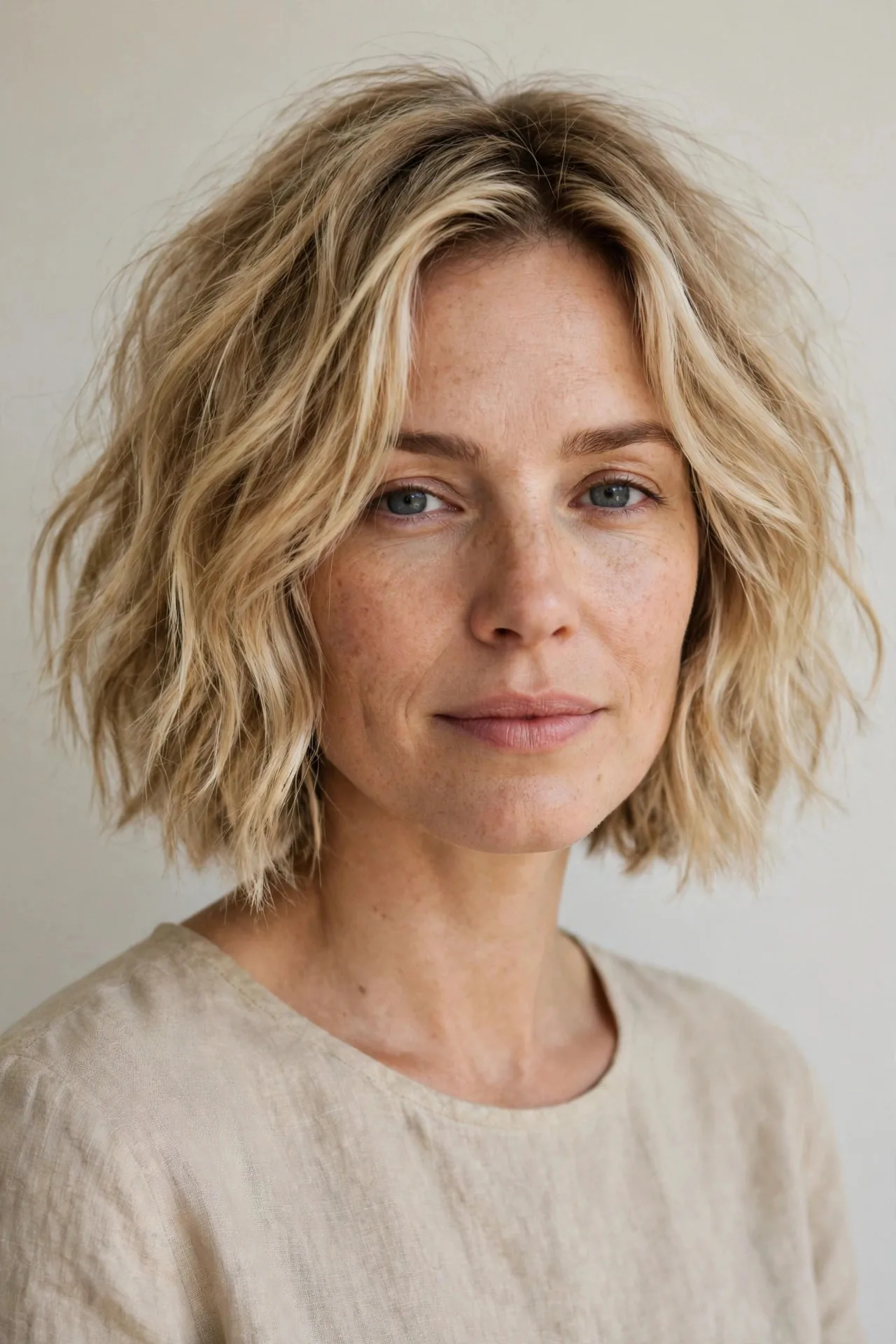
BEFORE: A neat bob can look stiff and overly done, with ends that swing as one solid block and no softness near the face. On wavy hair it can even fight the natural texture, flattening waves into a rigid outline.
AFTER: Tousled butterfly layers break the outline into soft, separated pieces, so waves move freely and the cut looks relaxed. The ends gain texture, the crown gains lift, and the whole style reads casual and modern.
Tousled layers suit wavy and lightly curly hair best, since the texture already exists and the layers simply shape it. Oval and heart faces carry it well, and salt spray finishes the look without heat. A trim every seven weeks keeps the tousle intentional instead of messy.
Polished Butterfly Bob
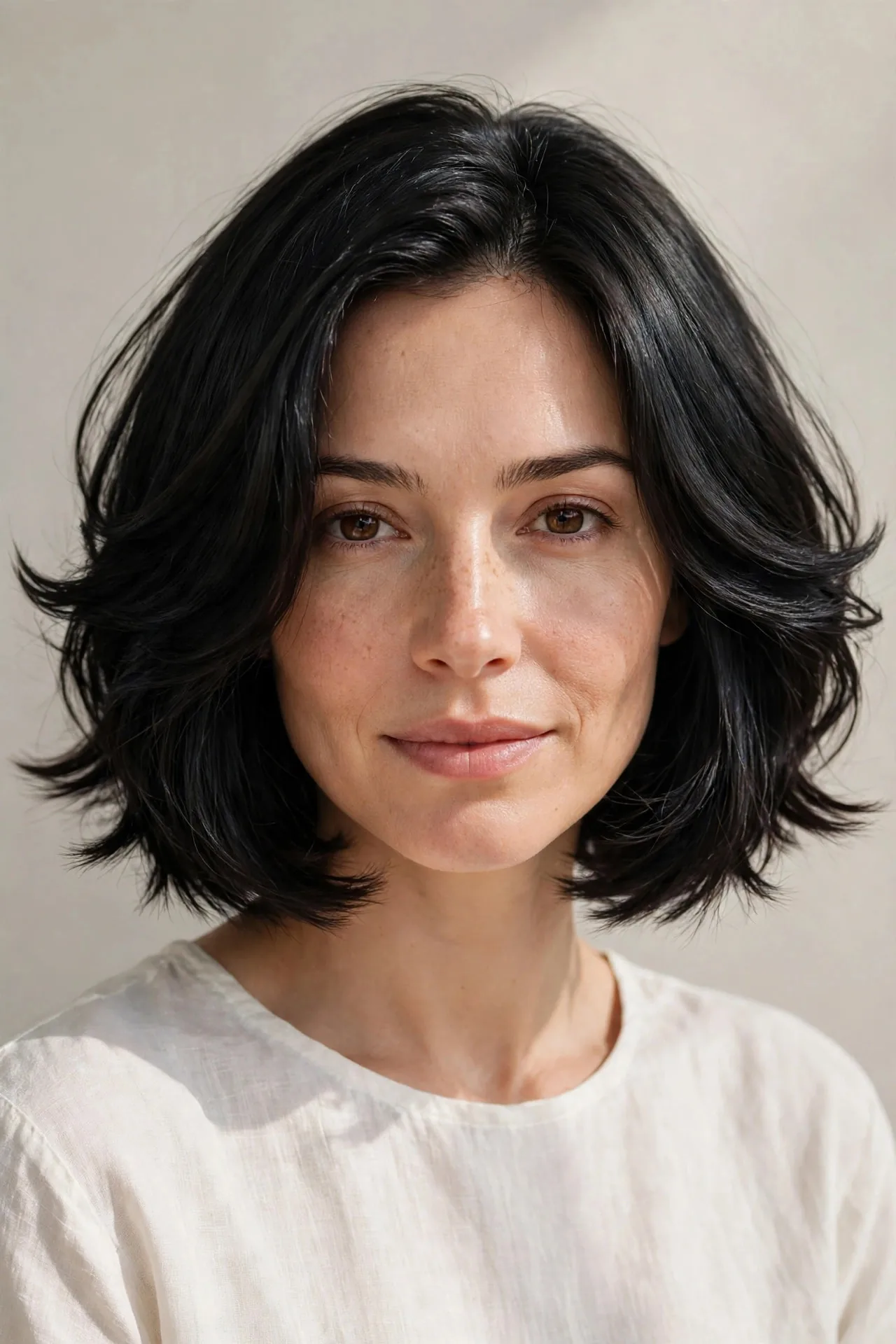
- Ask for smooth butterfly layers with a clean outline, keeping the ends blunt enough to look polished.
- Blow dry with a round brush, curving the ends under for a neat finish.
- Run a flat iron over the outer layer only, leaving the inner layers soft.
- Finish with a shine serum on the mid-lengths and ends.
Polished butterfly layers suit straight hair best, since smooth strands show the neat outline clearly. Oval and square faces carry it well, and the glossy finish works for formal days and evenings alike. A trim every five weeks keeps the outline crisp instead of fuzzy.
Butterfly Bob for Round Faces
| Round faces | Long faces | |
|---|---|---|
| Front pieces | Longer, past the jaw | Shorter, at the cheekbones |
| Crown | Extra volume on top | Softer volume |
| Part | Deep side part | Center part |
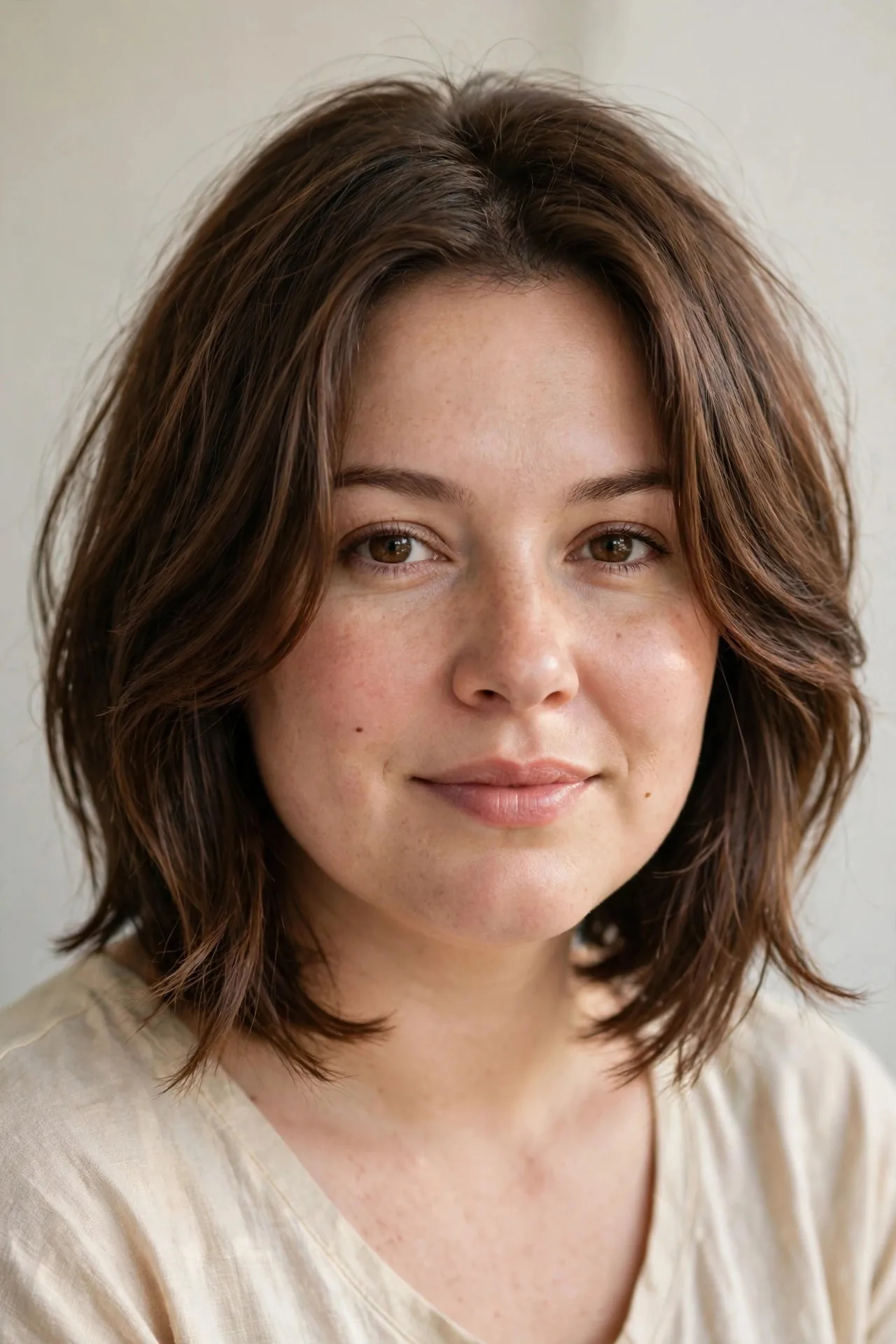
Round faces benefit from longer front pieces and crown volume, since the length draws the eye downward and slims the cheeks. Butterfly layers place that length exactly where it helps, while the crown lift adds balance. A deep side part strengthens the effect, and trims every seven weeks keep the shape.
Low-Maintenance Butterfly Bob
- Do ask for long layers only, keeping the shape simple enough to air dry.
- Do choose a length between the jaw and shoulders, where the cut falls into place naturally.
- Do use a leave-in conditioner, which keeps the layers soft between washes.
- Don’t add short choppy layers, or the cut needs daily styling to look right.
- Don’t skip trims entirely, since grown-out layers eventually lose their shape.
- Don’t pile on heavy products, which weigh the layers down and hide the movement.
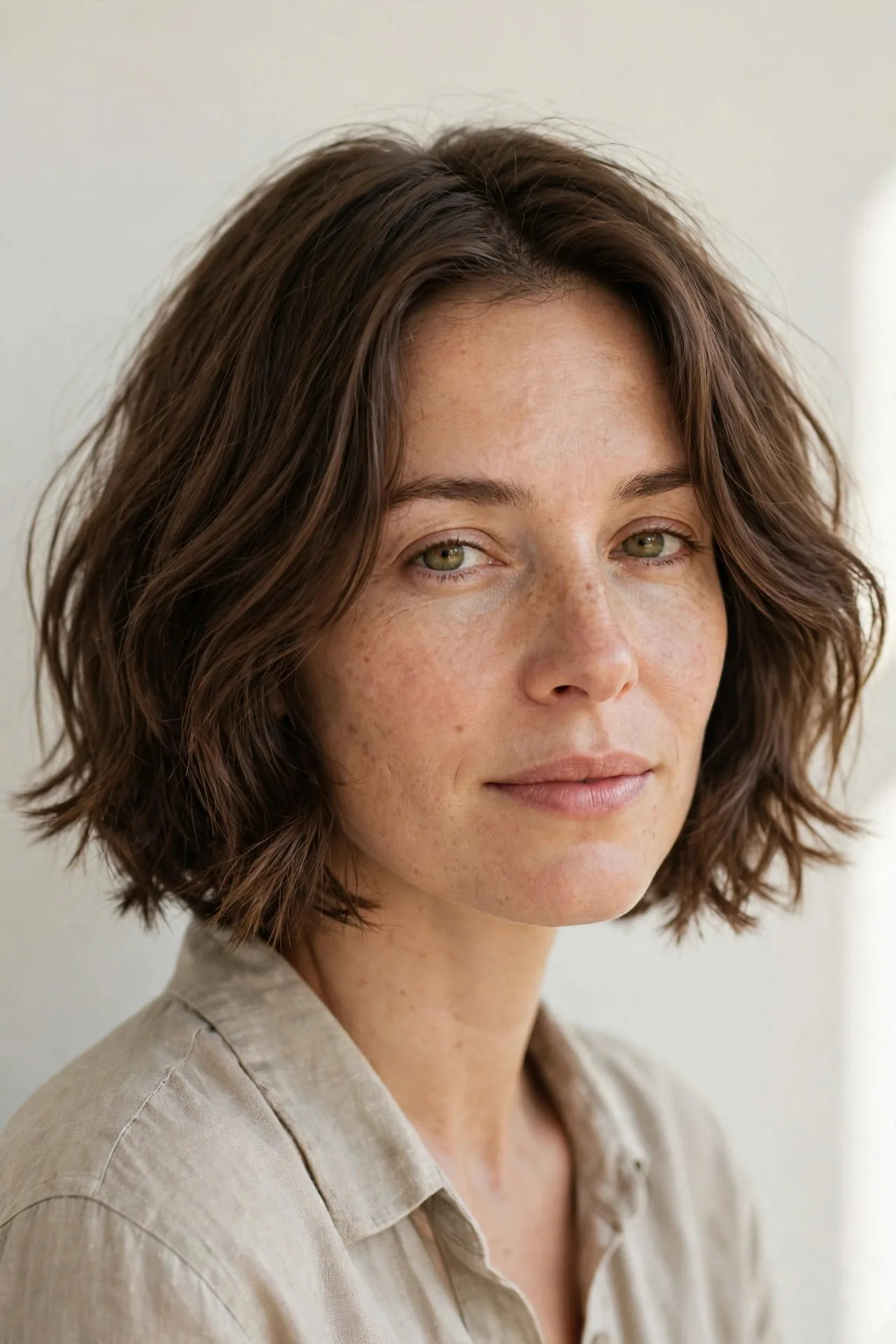
Low-maintenance butterfly layers suit busy mornings best, since the cut looks finished with almost no styling. I’ve seen this work best when the layers stay long and the length sits at the shoulders, so the hair falls into shape on its own. A trim every eight weeks keeps the easy shape from turning shapeless.
Short Butterfly Bob

Best For: Fine to medium hair, oval and angular faces | Length: Above the jaw, layers from the crown | Texture: Light and airy | Upkeep: Trims every four to five weeks
A short butterfly bob sits above the jaw with a close nape and longer pieces on top, showing off the cheekbones and neck. The layers keep it soft instead of severe, and fine to medium straight and wavy hair hold the shape best. Texture cream and finger styling are all it needs.
Everyday Butterfly Bob

Mornings stay simple with an everyday butterfly bob, which asks nothing of you beyond a finger-comb. Medium layers and a natural fall mean the cut looks finished straight away, and the length sits between the jaw and the shoulders, so it never gets in the way.
Straight, wavy, and lightly curly hair all suit this low-effort cut, and every face shape carries it well. Ask for medium layers with no extreme angles, and skip products beyond a leave-in conditioner. Trims every eight weeks keep it looking intentional rather than overgrown.
How to Ask Your Stylist
Bring photos of the exact butterfly bob you want, not just the words butterfly layers, which cover dozens of cuts. Point to the photo and say which parts you like: the length at the front, the layers at the back, the way the ends fall.
Tell your stylist your hair type, your face shape, and how much time you spend styling each morning. Those three facts decide whether you need light layers or heavy ones, a jaw length or a collarbone length, and a cut that air dries or one that needs heat. If your hair is thick, ask about internal layers before the cut starts, since removing bulk mid-cut is easier than fixing a heavy shape after.
Ask what the upkeep will be before you commit. A textured bob with soft layers costs less time than a sleek blowout bob, and a trim every eight weeks beats a trim every four. Agree on the maintenance schedule first, so the cut fits your life and not just the salon chair.
Keeping Butterfly Layers Fresh
Butterfly layers lose their shape when the ends split or the cut grows past its design. The fix is simple: trims on schedule, gentle washing, and heat used sparingly. A trim every six to eight weeks suits most butterfly bobs, while sharp shapes like the sleek bob need five to six.
Wash with lukewarm water and a shampoo matched to your hair type, since hot water and harsh products dry the ends first. Use a light conditioner on the lengths only, keeping it off the roots so the crown keeps its lift. A weekly mask helps thick or heat-styled hair, while fine hair does better with a light leave-in instead.
Style with the lowest heat that works, and always use a heat protectant first. Let layers air dry when you can, and save the flat iron for the days that matter. When the shape starts to feel heavy or shapeless, a dusting appointment restores the layers without a full cut.
Frequently Asked Questions
Will a butterfly bob suit my face shape?
Most face shapes suit some version of a butterfly bob, because the layers can be placed to flatter. Oval faces carry nearly every length, round faces benefit from longer front pieces and crown volume, square faces soften with face-framing layers, and long faces gain balance from width at the sides. Show your stylist your face shape concerns at the consultation.
Do butterfly layers work on fine hair?
Yes, when the layers stay light and long. Heavy or short layers thin fine hair further, but long layers near the crown add lift while keeping the ends full. Ask for long layers only, and avoid texturizing shears on the bottom half of the cut.
How often does a butterfly bob need trimming?
Most butterfly bobs need a trim every six to eight weeks to hold their shape. Sharp shapes like the sleek bob and the short bob need four to six weeks, while soft, long layers can stretch to ten. Bangs need trimming between full cuts to stay out of your eyes.
Can I get a butterfly bob on curly hair?
Yes, and layers help curls more than most textures, since they remove the bulk that turns curls triangular. Ask for a dry cut with curls in their natural state, so the layers fall where your curls actually live. The shape needs curl-friendly products and minimal heat to stay defined.
Will layers make thick hair easier to manage?
Yes, when the layers are cut inside the hair rather than at the ends. Internal layers remove bulk while keeping the outline intact, so thick hair dries faster and styles with less effort. Tell your stylist you want weight removed, not length, and the cut will feel lighter from the first wash.
Pick the butterfly bob haircuts version that matches your hair type and your mornings, then take its photo to your stylist and go for it. The right butterfly bob does not demand a new routine, only a better cut: layers that lift where you need lift, remove weight where you feel it, and move the way your hair wants to move. Save this post on Pinterest so your idea waits on appointment day, try one version first, and share it with a friend who wants a change. A good bob does not just change your hair. It changes how you walk out of the salon.